




What's Happening?
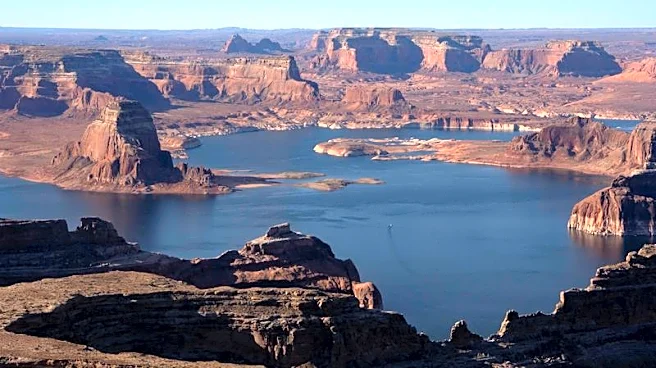
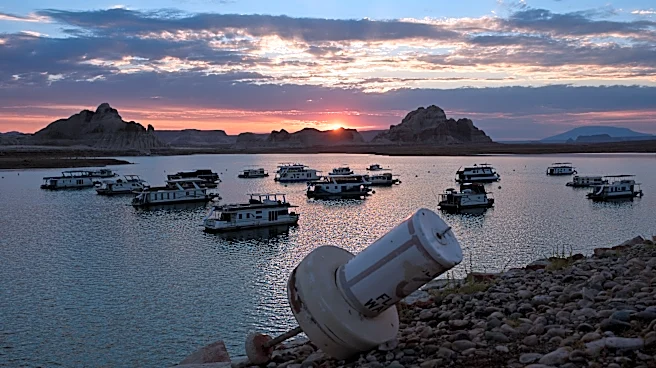
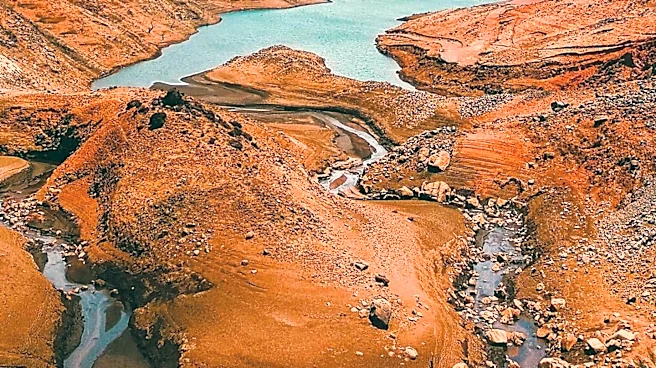
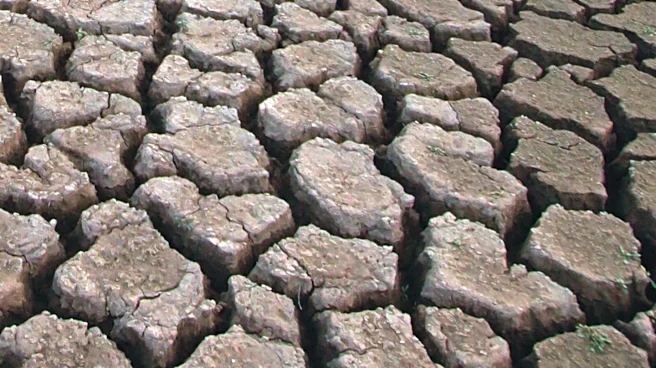
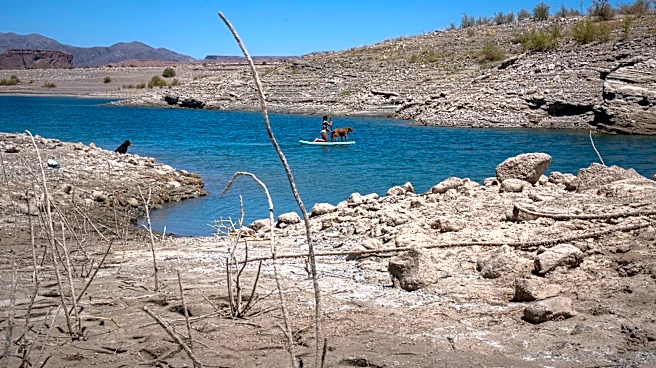
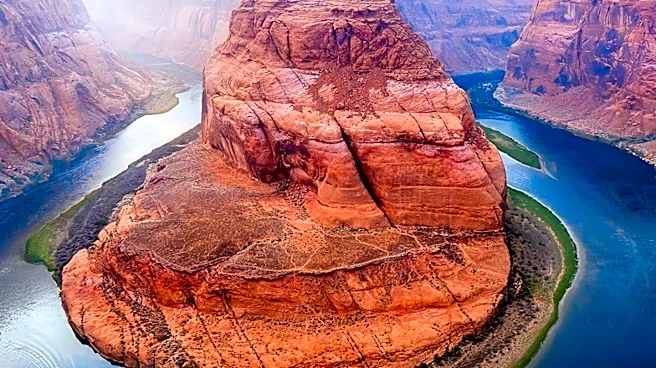
The U.S. Bureau of Reclamation has announced a new plan requiring California, Arizona, and Nevada to reduce their water usage from the Colorado River by 16 to 20% through 2028. This decision comes as the river's reservoirs, Lake Mead and Lake Powell,
reach historic low levels due to prolonged drought and climate change. The plan aims to address the ongoing water crisis affecting the Southwest, which relies heavily on the Colorado River for agriculture, electricity, and drinking water.
Why It's Important?
The Colorado River is a critical water source for millions of people and vast agricultural lands in the Southwest. The mandated cuts highlight the severe impact of climate change on water resources and the urgent need for sustainable water management. These reductions will likely affect agricultural production, urban water supplies, and energy generation, potentially leading to economic and social challenges in the affected states. The plan underscores the necessity for collaborative water management strategies among the basin states to ensure long-term water security.
What's Next?
The affected states will need to implement measures to comply with the water reduction targets, which may involve changes in water allocation, conservation efforts, and infrastructure investments. Ongoing negotiations among the basin states will be crucial to developing a long-term agreement that balances water needs with available resources. The situation may also prompt legal challenges or calls for federal intervention if states cannot reach a consensus. Monitoring the implementation and impact of these cuts will be essential to assess their effectiveness and sustainability.