






What's Happening?
A new observational study has found an association between higher polyphenol intake, particularly from coffee, and lower rates of breast cancer-related death among women diagnosed with the disease. The study followed 95 women with breast cancer for approximately
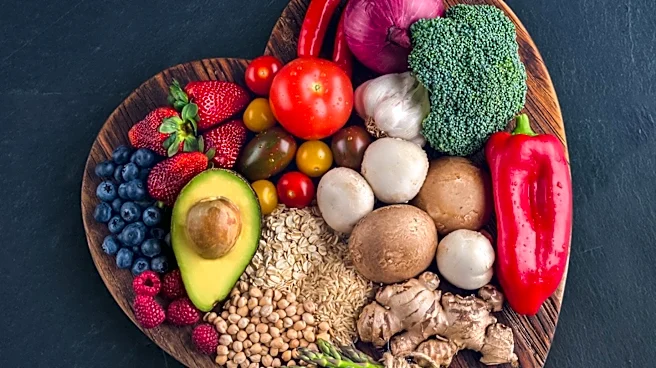
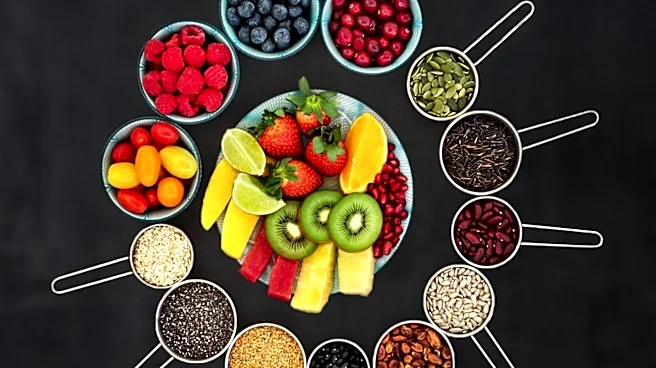
11 years, evaluating their consumption of polyphenols, which are naturally occurring plant compounds found in foods like coffee, fruits, vegetables, whole grains, and nuts. Women with the highest polyphenol intake showed an approximately 80% lower risk of dying from breast cancer compared to those with the lowest intake. Coffee emerged as the primary source of polyphenols in the participants' diets. Surgical oncologist Nadia Nocera Zachariah, M.D., with Baptist Health Cancer Care, emphasized that while the findings are encouraging, the study is observational and does not prove that polyphenols or coffee directly cause the reduction in mortality. She cautioned against over-interpretation, stating that coffee is not a substitute for standard medical treatment or screening.
Why It's Important?
This research contributes to the growing body of evidence supporting the health benefits of plant-based diets and highlights the potential role of specific dietary components in disease outcomes. For U.S. society, where breast cancer remains a significant health concern, these findings could influence dietary recommendations and public health messaging, encouraging increased consumption of polyphenol-rich foods. While not a cure, understanding the potential protective effects of diet can empower individuals to make informed lifestyle choices that complement medical treatments. The focus on coffee, a widely consumed beverage, could particularly resonate with the public. However, it also underscores the importance of scientific literacy, as experts caution against misinterpreting observational studies as direct causation, preventing the spread of misinformation about cancer prevention and treatment.
What's Next?
Further research, including larger and more controlled studies, is needed to confirm the direct causal relationship between polyphenol intake, coffee consumption, and breast cancer mortality. Scientists will likely investigate the specific mechanisms through which polyphenols, such as chlorogenic acid and other compounds found in coffee, may influence cancer development and progression, including their antioxidant and anti-inflammatory properties and their potential effects on DNA repair and cancer cell growth. Public health organizations may continue to emphasize the importance of a balanced, plant-forward diet as part of overall cancer risk reduction and survivorship strategies, while reiterating that dietary changes are complementary to, not a replacement for, established medical care and screenings. Individuals may be encouraged to incorporate moderate coffee consumption and a variety of polyphenol-rich foods into their diets, provided it aligns with their individual health needs.
Beyond the Headlines
The study's findings delve into the complex interplay between diet, lifestyle, and disease outcomes, moving beyond a simplistic view of nutrition. It highlights the concept of 'food as medicine' and the potential for everyday dietary choices to impact long-term health. The emphasis on polyphenols, rather than just individual vitamins or minerals, points to a more holistic understanding of nutrient synergy and the benefits of whole foods. Ethically, it reinforces the responsibility of both researchers and media to communicate scientific findings accurately, managing public expectations and preventing the promotion of unproven 'cures.' Culturally, it may further integrate coffee into the narrative of healthy living, provided it's consumed in moderation and without excessive sugar or cream. This research also opens avenues for exploring personalized nutrition strategies based on individual genetic predispositions and dietary responses.