






What's Happening?
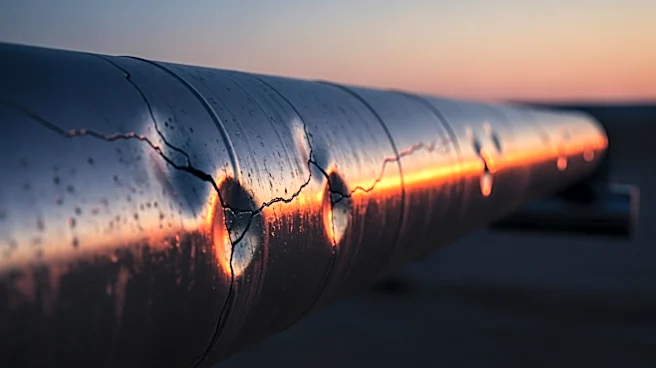
Saudi Arabia's East-West oil pipeline, a critical route for crude exports, was damaged in an Iranian attack, according to industry sources. The pipeline, which diverts approximately 7 million barrels per day from Saudi Arabia's oil-rich eastern region
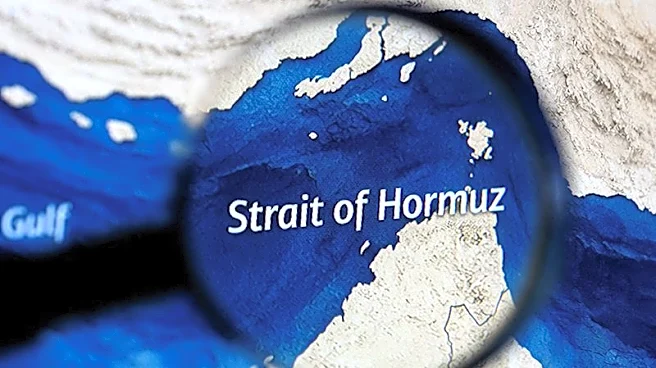
to the Red Sea port of Yanbu, is currently the kingdom's sole outlet for crude exports. The attack has led to the effective closure of the Strait of Hormuz by Iran, trapping significant volumes of oil and gas and causing a surge in global energy market prices. The damage assessment is ongoing, and the flow through the pipeline is expected to be affected, exacerbating what experts are calling the world's worst energy crisis. The Iranian Revolutionary Guard Corps claimed responsibility for the attack, stating that it targeted several regional facilities, including oil installations associated with American companies in Yanbu.
Why It's Important?
The damage to Saudi Arabia's East-West pipeline has significant implications for global energy markets, particularly as it coincides with the closure of the Strait of Hormuz, a vital chokepoint for oil transportation. This disruption could lead to increased oil prices worldwide, affecting economies reliant on Middle Eastern oil imports. The attack highlights the geopolitical tensions in the region, with potential repercussions for international relations and energy security. Countries dependent on Saudi oil exports may face supply shortages, prompting them to seek alternative sources or increase reliance on strategic reserves. The incident underscores the vulnerability of critical infrastructure to geopolitical conflicts, potentially prompting nations to reassess their energy strategies and security measures.
What's Next?
As the damage assessment continues, Saudi Arabia may need to explore alternative routes or methods to maintain its oil export levels. The international community, particularly countries heavily reliant on Middle Eastern oil, may engage in diplomatic efforts to de-escalate tensions and ensure the security of energy supplies. The attack could lead to increased military presence in the region to protect vital infrastructure and shipping routes. Additionally, oil-importing nations might accelerate investments in renewable energy and diversification strategies to reduce dependency on volatile regions. The situation may also prompt discussions within OPEC regarding production adjustments to stabilize the market.
Beyond the Headlines
The attack on Saudi Arabia's pipeline raises broader questions about the security of global energy infrastructure and the potential for conflicts to disrupt critical supply chains. It highlights the need for international cooperation in safeguarding energy routes and addressing geopolitical tensions that threaten economic stability. The incident may also influence long-term shifts in energy policy, encouraging countries to invest in alternative energy sources and technologies to mitigate risks associated with fossil fuel dependency. Furthermore, the attack could impact the dynamics within OPEC, as member countries navigate the challenges posed by regional conflicts and market volatility.