

What's Happening?
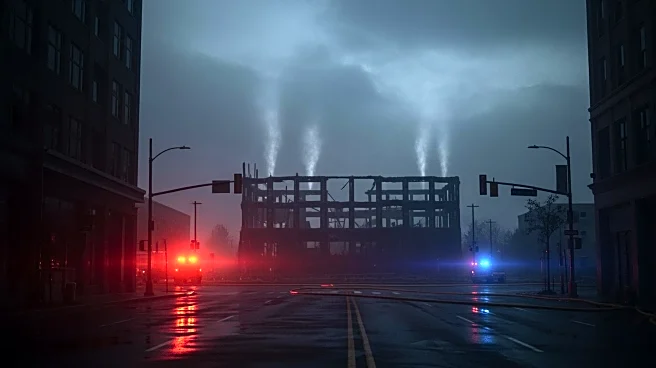
A fire that occurred on March 16 in a Queens apartment building, which resulted in the deaths of four individuals, including a toddler, is now being investigated as a homicide. The Office of the Chief Medical Examiner has classified the deaths as homicides.
The fire took place at 132-05 Avery Ave. in Flushing, New York, and claimed the lives of 3-year-old Sihan Yang, 50-year-old Chengri Cui, and two other victims who have not yet been identified. The building, which was plagued with numerous violations, had a history of 55 violations dating back to at least 1998. At the time of the fire, 16 violations were still open, many of which were related to illegal apartment conversions. Despite changes in ownership, a violation from 2003 regarding unauthorized alterations to the building remained unresolved.
Why It's Important?
The classification of the fire as a homicide highlights significant concerns regarding building safety and regulatory compliance in New York City. The incident underscores the potential dangers posed by buildings with unresolved safety violations, particularly those involving illegal conversions that can compromise structural integrity and safety. This case may prompt increased scrutiny and enforcement of building codes and regulations, potentially leading to policy changes aimed at preventing similar tragedies. The ongoing investigation by the police and fire departments could also lead to legal consequences for those responsible for maintaining the building, impacting property management practices and accountability standards in the real estate sector.
What's Next?
As investigations continue, authorities are likely to focus on identifying the cause of the fire and any individuals who may be responsible for the conditions that led to the tragedy. The outcome of these investigations could result in criminal charges if negligence or foul play is determined. Additionally, the case may lead to increased inspections and enforcement actions by the Department of Buildings to address and rectify violations in similar properties across the city. Public and political pressure may also mount for legislative reforms to enhance building safety and ensure compliance with existing regulations.