







What's Happening?
The Friends of Big Bear Valley, a nonprofit organization, has initiated a naming contest for the newly hatched chicks of the famous bald eagle couple, Jackie and Shadow, in Southern California. The contest, which began on April 15, 2026, invites the public
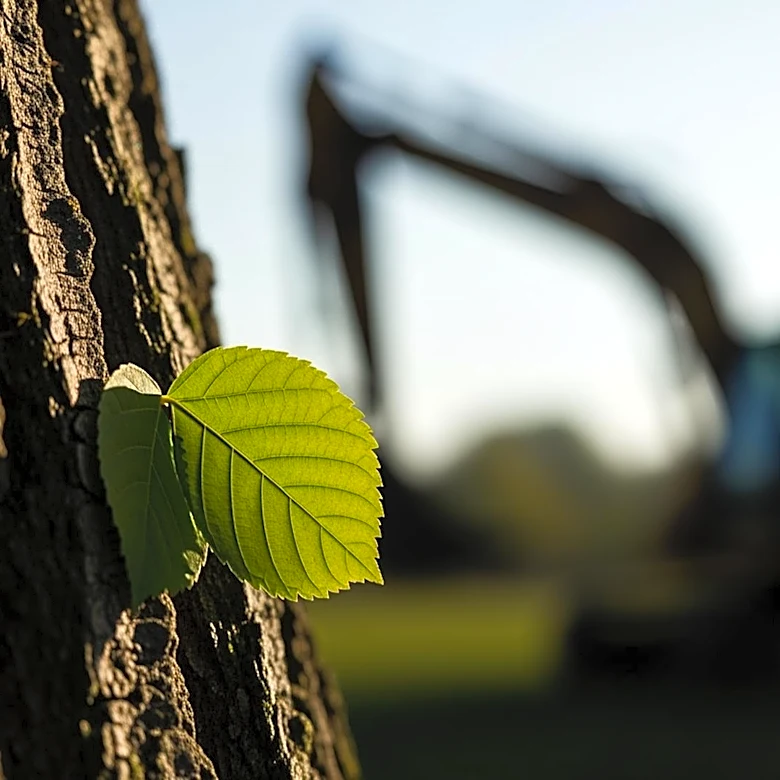
to submit names for the two eaglets, currently referred to as Chick 1 and Chick 2. Participants can enter the contest by making a small donation, with options to submit one, three, or ten name suggestions for $5, $10, or $25, respectively. The names will be selected through a voting process involving Big Bear third graders, who will choose from a list generated by a computer program. The winning names will be announced on the nonprofit's social media and website. The contest aims to raise funds to help the Friends of Big Bear Valley purchase the habitat for permanent conservatorship, as it is under threat from a proposed luxury housing and marina development.
Why It's Important?
This initiative is significant as it highlights the ongoing efforts to conserve natural habitats for wildlife, particularly for species like the bald eagle, which have faced historical threats. The contest not only engages the community in conservation efforts but also raises awareness about the environmental challenges posed by development projects. By involving local school children in the naming process, the nonprofit fosters a sense of stewardship and education about wildlife conservation among the younger generation. The funds raised through this contest are crucial for the Friends of Big Bear Valley's goal to secure the habitat, ensuring the protection of the eagles' nesting grounds from development threats. This effort underscores the broader importance of balancing development with environmental conservation.
What's Next?
The public has until April 26, 2026, to submit their name suggestions. Following the voting process, the new names for the eaglets will be announced. Meanwhile, the Friends of Big Bear Valley continues its fundraising efforts, aiming to raise $10 million by July 31 to purchase the habitat. The outcome of this fundraising campaign will determine the future of the nesting grounds, as the area is currently at risk due to the proposed Moon Camp development. The nonprofit's success in securing the habitat could serve as a model for similar conservation efforts elsewhere, highlighting the role of community engagement and fundraising in environmental protection.