







What's Happening?
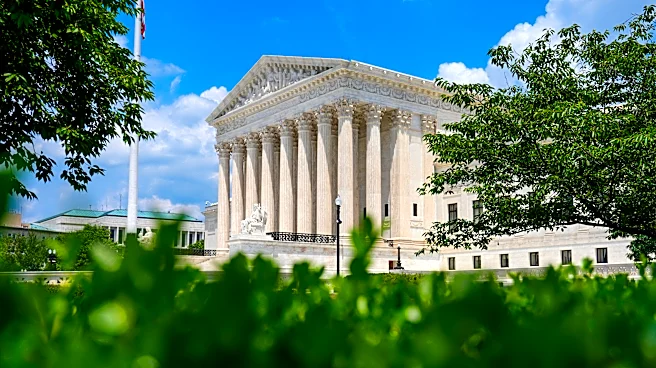
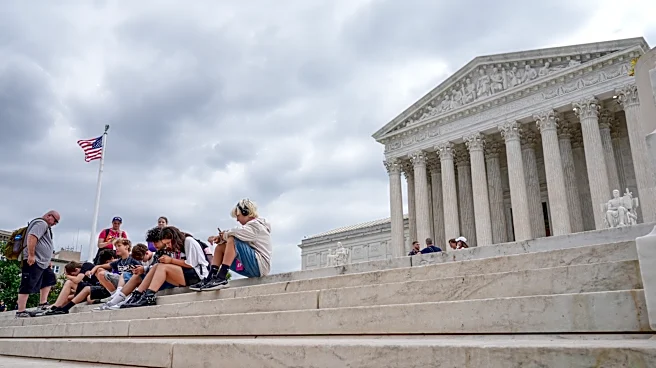
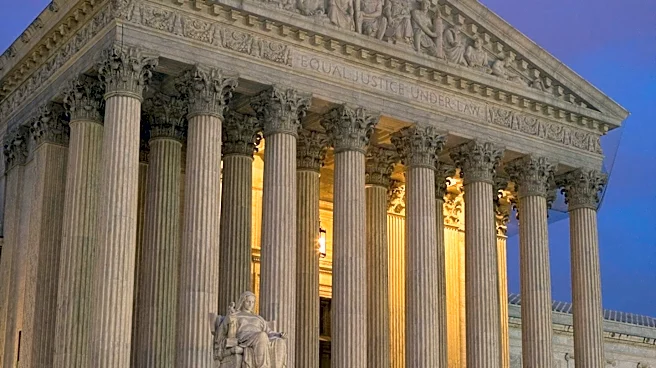
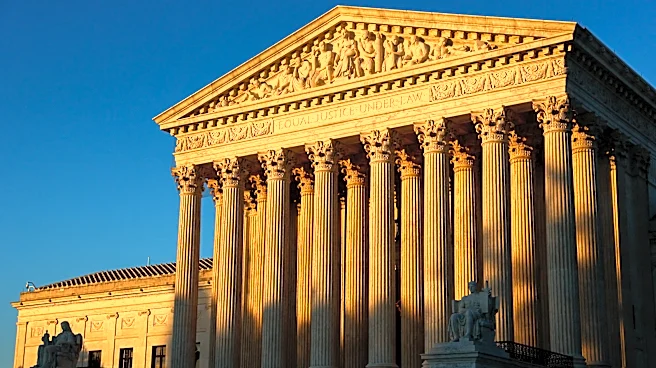
The Supreme Court has ruled against Damon Landor, a Rastafarian inmate in Louisiana, in a case concerning religious liberty under the Religious Land Use and Institutionalized Persons Act (RLUIPA). Landor, who follows a Nazarite vow not to cut his hair,
was forcibly shaved by prison guards despite presenting a court ruling that protected his religious practice. The court's 6-3 decision, led by Justice Neil Gorsuch, concluded that the guards could not be sued for damages as they had not 'consented' to such lawsuits under the spending clause of the Constitution. This decision undermines the authority of Congress to enforce federal protections through the spending clause, which is used to fund state prisons in exchange for respecting religious liberties.
Why It's Important?
This ruling has significant implications for the enforcement of federal protections under the spending clause, potentially affecting civil rights, environmental regulations, and healthcare. By requiring state officials to 'voluntarily and knowingly consent' to lawsuits, the decision could weaken the ability of Congress to impose meaningful regulations. Justice Ketanji Brown Jackson, in her dissent, warned that this could transform federal directives into mere suggestions, reducing accountability for state officials who violate federal laws. The decision also highlights the challenges inmates face in protecting their religious rights, as the ruling limits their ability to seek damages, leaving injunctions as the primary, yet often ineffective, remedy.
What's Next?
The decision may prompt further legal challenges and legislative efforts to address the limitations imposed by the ruling. Civil rights groups and lawmakers might seek to strengthen federal protections or explore alternative legal frameworks to ensure compliance with RLUIPA and similar statutes. The ruling could also lead to increased scrutiny of the Supreme Court's interpretation of the spending clause and its impact on federal authority. Additionally, state prisons may need to reassess their policies and training to prevent potential violations of inmates' religious rights, given the reduced threat of financial penalties.
Beyond the Headlines
The ruling raises ethical concerns about the balance between state sovereignty and federal oversight, particularly in protecting vulnerable populations like inmates. It also underscores the ongoing debate over the role of the judiciary in interpreting constitutional provisions and the potential for judicial decisions to reshape the landscape of federal-state relations. The case highlights the broader issue of religious freedom in correctional facilities and the challenges inmates face in exercising their rights within a system that often prioritizes security and order over individual liberties.