


What's Happening?
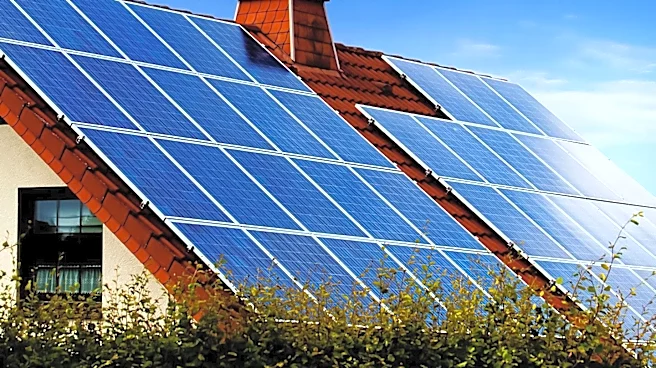
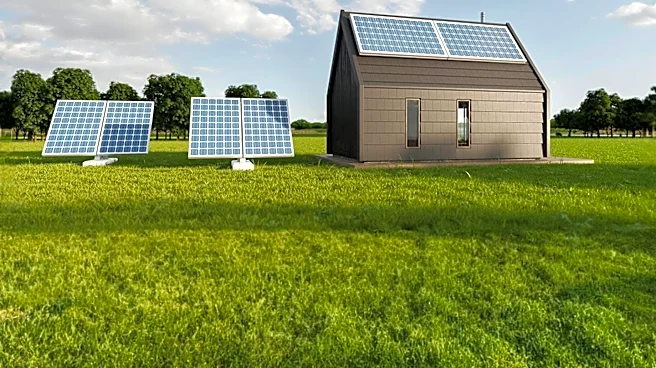
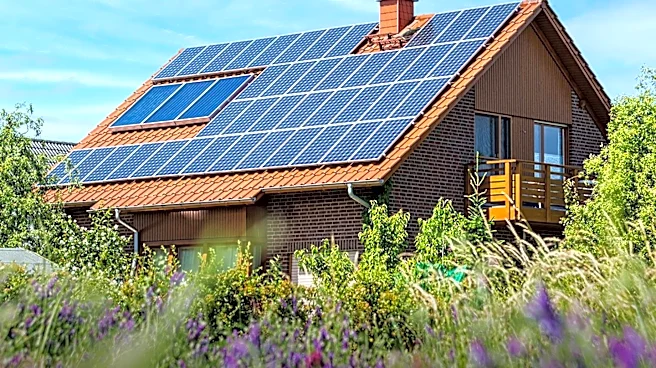
Hybrid solar systems are revolutionizing residential and commercial energy management in the U.S. by offering a sophisticated approach to power generation and consumption. These systems integrate solar panels, battery storage, and grid connectivity, allowing
for intelligent decision-making regarding energy sources. During sunny periods, solar energy directly powers loads, charges batteries with excess energy, and exports surplus electricity to the grid, where net metering is available. In contrast, during cloudy weather, evenings, or nights, the system automatically switches to battery power. If battery levels become low, the grid seamlessly takes over, ensuring continuous power supply. This intelligent adaptation provides reliable power without manual intervention.
Why It's Important?
The widespread adoption of hybrid solar systems holds significant implications for U.S. energy independence and consumer empowerment. By maximizing self-consumption of solar energy and reducing reliance on the traditional grid, these systems can substantially lower electricity bills for homes and businesses. Furthermore, their ability to provide backup power during grid outages enhances energy reliability, a critical concern in areas prone to severe weather or infrastructure challenges. This technology supports a smarter, more resilient energy management framework, contributing to national efforts to diversify energy sources and reduce carbon emissions. The shift towards hybrid systems also fosters innovation in energy storage and smart grid technologies, creating new economic opportunities and jobs within the renewable energy sector.
What's Next?
The future of hybrid solar systems in the U.S. will likely see continued advancements in battery technology, inverter efficiency, and smart energy management software. Increased consumer awareness and favorable government incentives, such as tax credits and net metering policies, are expected to drive further adoption. The integration of artificial intelligence and machine learning could enable even more optimized energy usage, predicting consumption patterns and weather conditions to maximize efficiency. As power systems become increasingly decentralized, hybrid solar will play a crucial role in creating microgrids and enhancing grid stability. Industry stakeholders will focus on addressing challenges such as battery sizing, inverter selection, and seamless grid integration to accelerate deployment and ensure widespread accessibility.
Beyond the Headlines
Beyond their immediate economic and environmental benefits, hybrid solar systems represent a fundamental shift in how society perceives and interacts with energy. They move consumers from passive recipients of grid power to active participants in their energy management, fostering a sense of energy independence and resilience. This paradigm shift can lead to greater community-level energy autonomy and reduce vulnerability to large-scale power failures. The ethical implications include ensuring equitable access to these technologies, preventing energy poverty, and developing robust cybersecurity measures to protect smart energy systems. Ultimately, hybrid solar systems are not just about generating electricity; they are about building a more sustainable, secure, and democratic energy future for the U.S.