








What's Happening?
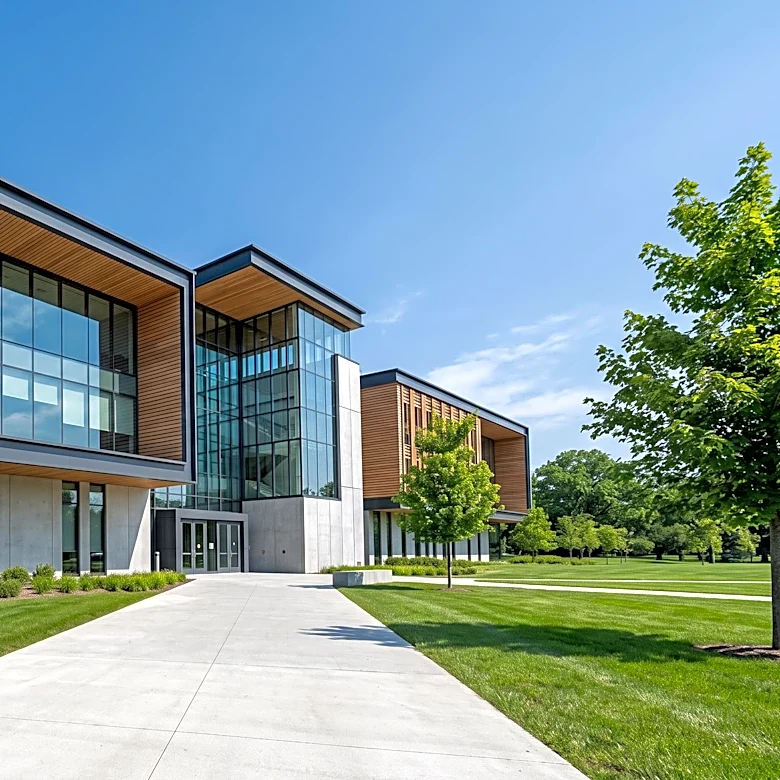
Pratt Institute has inaugurated a new, centralized Student Wellness Center on its Brooklyn campus. This four-story, 25,000-square-foot facility consolidates various health, counseling, wellness, and academic support services into a single location. Designed
by FXCollaborative, the center aims to provide a welcoming and intuitive environment for students to access comprehensive care and resources. The services integrated into the new center include Health Services, Counseling Services, the Learning/Access Center, the Center for Career and Professional Development (CCPD), Student Success, Student Advocacy, the Resilience Wellness and Well-being Center, and the Pratt Pantry. This consolidation is intended to streamline access to support, reducing the time students spend navigating different systems and buildings, and allowing them to focus more on their academic, creative, and personal growth. The project involved repurposing an existing building, preserving its architectural legacy while incorporating sustainable design elements and human-centered principles.
Why It's Important?
The establishment of a centralized Student Wellness Center at Pratt Institute signifies a growing recognition within higher education of the critical link between student well-being and academic success. By integrating diverse support services under one roof, Pratt aims to remove barriers to access, ensuring students can more easily obtain the help they need for physical, mental, and academic challenges. This holistic approach is crucial for fostering a supportive campus environment, which can lead to improved student retention and graduation rates. The Pratt Student Affairs Impact Report 2026 highlights the effectiveness of such programs, noting a 96.9 percent re-enrollment or graduation rate among wellness program participants. Furthermore, the center's focus on sustainable design, including the use of locally sourced, repurposed materials and an electric-ready infrastructure, reflects a broader commitment to environmental responsibility and aligns with institutional and citywide climate goals, setting a precedent for future campus developments.
What's Next?
The new Student Wellness Center is expected to become a cornerstone of student life at Pratt Institute, providing ongoing support for students' daily needs and moments of crisis. The institute will likely continue to monitor the center's impact on student well-being, academic performance, and retention rates, using data to refine and expand its services. Future initiatives may include further integration of technology to enhance accessibility and personalized care, as well as community outreach programs to ensure all students are aware of the available resources. The sustainable design choices made in this project could also serve as a model for future campus renovations and new constructions, influencing Pratt's long-term infrastructure development towards a low-carbon footprint. The success of this centralized model may also inspire other educational institutions to adopt similar integrated approaches to student wellness.
Beyond the Headlines
Beyond its immediate benefits, the Pratt Institute's Student Wellness Center reflects a deeper cultural shift in how educational institutions perceive their role in student development. It moves beyond a purely academic focus to embrace a comprehensive view of student health and success, acknowledging that mental, physical, and emotional well-being are foundational to learning and personal growth. This initiative also highlights the ethical imperative of providing accessible and confidential support services, particularly in an era where students face increasing academic pressures and mental health challenges. The center's human-centered design, incorporating elements like acoustic insulation, dimmable lighting, and natural materials, underscores the psychological impact of physical spaces on well-being. This approach could influence architectural design principles in other public and private sectors, emphasizing the creation of environments that actively promote healing, comfort, and a sense of belonging.