






What's Happening?
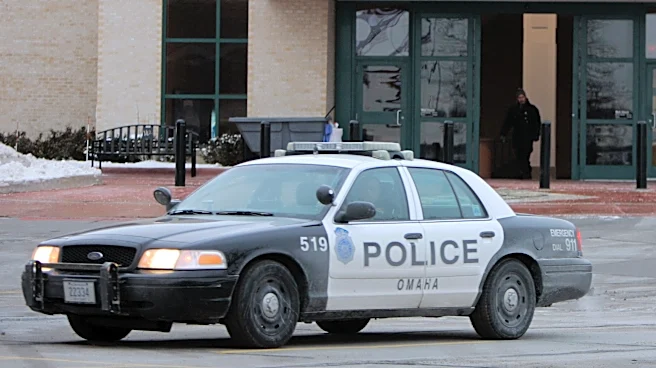
Omaha Public Schools, Nebraska's largest school district, has requested that Omaha police officers serving as school resource officers (SROs) cease carrying and using electric shock gloves, known as G.L.O.V.E.s (Generated Low Output Voltage Emitters),
on students. Omaha Superintendent Matthew Ray made the request after learning about the gloves, despite local television station KETV finding emails from 2023 indicating that Omaha police had previously notified districts about their intent to equip officers with these devices. The Omaha Police Department has agreed to adhere to this request for the Omaha Public Schools. However, the Bellevue police department, which patrols two Omaha schools and the larger Bellevue district, stated its officers would continue to carry the gloves. The gloves were reportedly used twice in Omaha schools during the last school year, including once on a student in a program for those with learning deficits, and twice by Bellevue police in previous years.
Why It's Important?
This development highlights a significant controversy regarding the use of force by law enforcement in educational settings and raises questions about student safety, particularly for vulnerable populations like those with disabilities. The use of electric shock gloves, even if considered 'less than lethal,' has sparked considerable community pushback, with about 30 people speaking against the practice at a recent school board meeting. Critics, including students, expressed concerns about the psychological impact and the creation of an unsafe environment in schools. Nora Wessel, a senior at Omaha Central High School, articulated the fear of seeing a peer electrocuted in a place meant to be safe. The differing stances between the Omaha Police Department and the Bellevue police department also underscore a lack of uniform policy and communication regarding such tools, leading to inconsistencies in how students are treated across neighboring districts. This situation prompts a broader discussion on the appropriate role of SROs and the types of equipment they should carry in schools.
What's Next?
Following Omaha Public Schools' request, Omaha police SROs will no longer use electric shock gloves within the district. However, Bellevue police officers will continue to carry and use these gloves in the schools they patrol, including two Omaha schools. This disparity may lead to further discussions and potential policy reviews in other districts where Omaha officers are assigned. The incident also calls for a more comprehensive dialogue among school administrators, law enforcement, parents, and community members about the protocols for SROs, the types of force options available to them, and the transparency of such policies. Experts like Ken Trump, president of National School Safety and Security Services, emphasize the need for careful consideration and clear guidelines before introducing technologies like shock gloves, especially concerning students with disabilities or special medical needs. The ongoing debate could influence future training, equipment decisions, and the overall approach to school safety nationwide.
Beyond the Headlines
The controversy surrounding electric shock gloves in schools delves into the complex intersection of school safety, law enforcement tactics, and student rights. It raises ethical questions about the use of pain-inducing devices on minors, particularly in environments intended for learning and development. The fact that the gloves were used on a student with learning deficits highlights concerns about disproportionate impacts on students with special needs, who may react differently to commands or interventions. This incident could fuel broader calls for demilitarization of schools and a re-evaluation of the role of police in student discipline. It also brings to light the importance of clear communication and consent between law enforcement agencies and school districts regarding the tools and tactics employed on school grounds. The long-term psychological effects on students who witness or experience such interventions, and the potential erosion of trust between students and authority figures, are critical, less obvious implications that warrant further consideration.