
What's Happening?
Cleaning experts are raising alarms about the proliferation of cleaning hacks on social media platforms like TikTok and Instagram. These hacks often involve mixing various cleaning products without understanding
the potential chemical reactions, which can lead to the release of toxic fumes. Morgan Eberhard, a principal scientist for P&G Home Care, highlights that many of these hacks are created by individuals lacking scientific knowledge, posing significant health risks. Jessica Ek from the American Cleaning Institute warns against 'cleaning overload,' a trend where multiple cleaning products are used simultaneously, potentially resulting in harmful chemical reactions. Experts also caution against transferring cleaning products into decorative containers, which can lead to accidental ingestion, especially by children and pets.
Why It's Important?
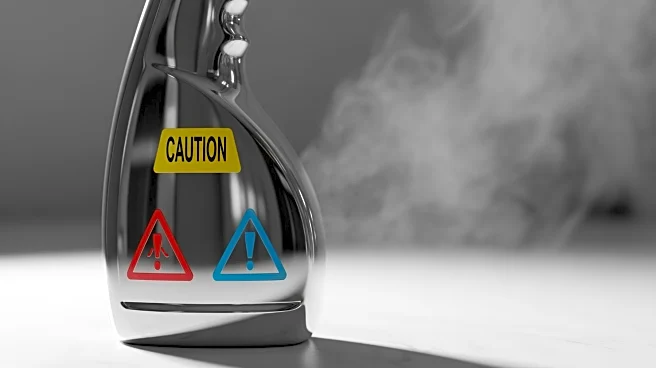
The rise of social media cleaning hacks poses a significant public health risk, as improper use of cleaning products can lead to serious injuries or fatalities. The trend of mixing cleaning agents without understanding their chemical properties can result in the release of toxic gases, such as chloramine, which can be deadly. This issue underscores the importance of adhering to product instructions and maintaining awareness of the potential dangers associated with household chemicals. The warnings from experts aim to prevent accidents and promote safe cleaning practices, emphasizing the need for public education on the proper use of cleaning products.
What's Next?
Experts recommend that individuals stop following unverified cleaning hacks and instead rely on the instructions provided by manufacturers. They advise storing cleaning products in their original containers to prevent accidental misuse and ensuring that these products are kept out of reach of children and pets. Additionally, there is a call for increased public awareness campaigns to educate consumers about the risks of mixing cleaning agents and the importance of following safety guidelines. This proactive approach aims to reduce the incidence of accidents related to cleaning product misuse.