
What's Happening?
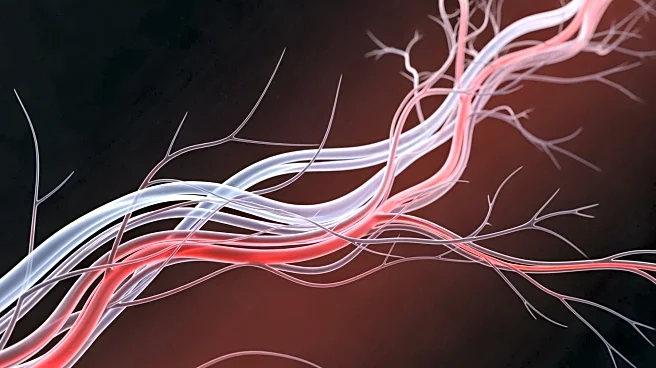
A recent study published in Nature highlights the role of vagal mechanoreceptors in the heart, specifically PIEZO2 neurons, in responding to changes in blood volume to stabilize blood pressure during postural
changes. The research, led by Liberles and colleagues, demonstrates that these neurons are crucial in compensating for gravitational changes, which could lead to neurogenic postural hypotension if dysfunctional. The study involved genetic manipulation in mice, revealing that PIEZO2 neurons are essential for maintaining blood pressure and heart rate during blood volume changes, such as those experienced during traumatic hemorrhage.
Why It's Important?
This discovery is significant as it identifies a new potential cause of neurogenic postural hypotension, a condition that affects blood pressure regulation upon standing. Understanding the role of PIEZO2 neurons could lead to new therapeutic targets for treating this condition. The findings also enhance the understanding of the vagus nerve's role in cardiovascular regulation, which could have broader implications for managing blood pressure-related disorders. This research could benefit patients with conditions like orthostatic hypotension, providing a basis for developing new treatments that target these specific neurons.