










What's Happening?
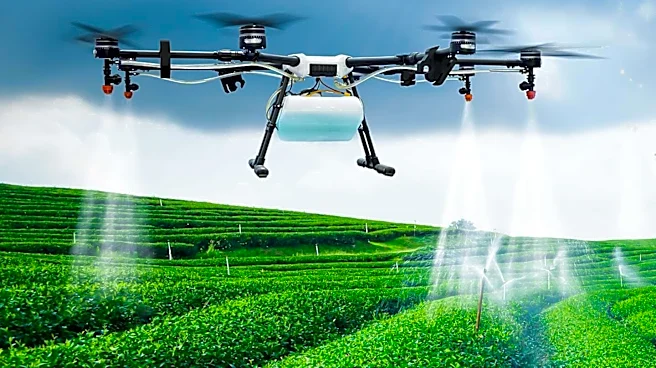
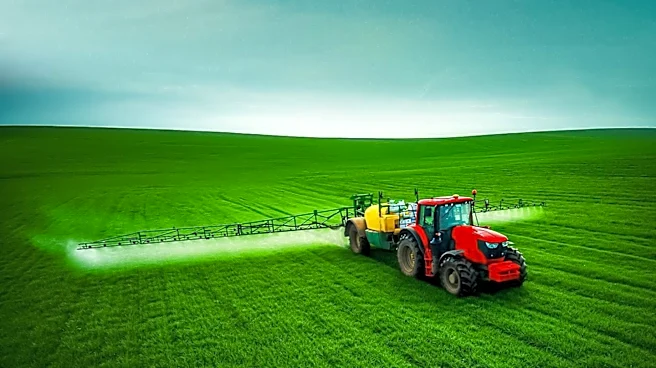
Agricultural practices have undergone significant transformations over the past century, driven by technological innovations such as tractors, fertilizers, and electricity. According to former Smithsonian curator Peter Liebhold, these advancements have shifted
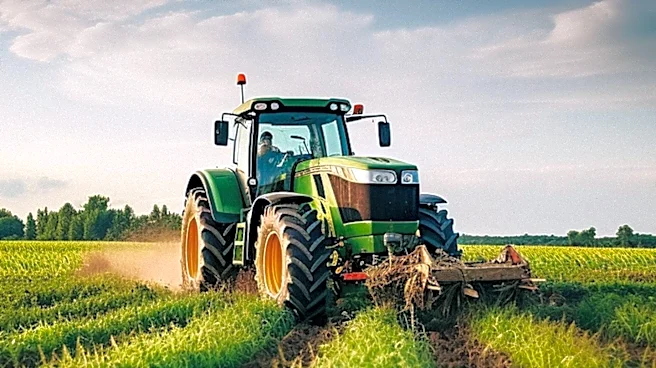
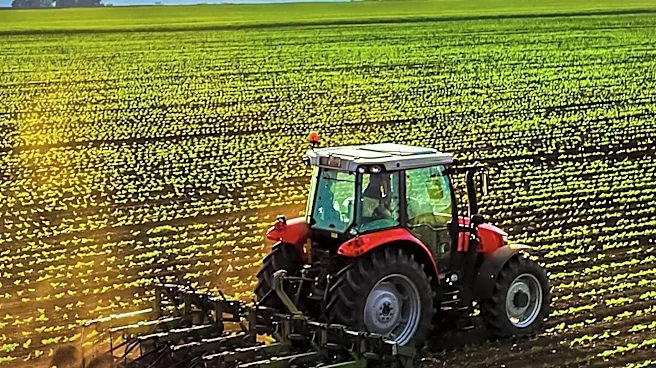
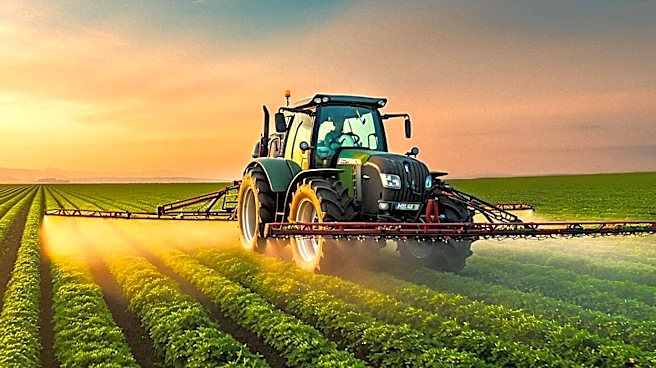
agriculture from extensive to intensive practices, increasing yield per acre. The introduction of gasoline-powered tractors in 1901 marked a pivotal moment, making farming more efficient and accessible. The development of fertilizers, pesticides, and hybrid seeds further revolutionized food production. Electricity's role in modernizing dairy parlors exemplifies how technology has reshaped various aspects of agriculture, making it more productive and sustainable.
Why It's Important?
The evolution of agricultural technology has had profound impacts on food production and sustainability. Innovations like tractors and fertilizers have increased efficiency and output, allowing farmers to produce more food on less land. This shift is crucial for meeting the growing global demand for food. The affordability and accessibility of these technologies have democratized farming, enabling smaller farms to compete and thrive. Additionally, the integration of electricity into farming operations has enhanced productivity and improved living standards for rural communities. These advancements are essential for ensuring food security and supporting economic growth in agricultural sectors.