






What's Happening?
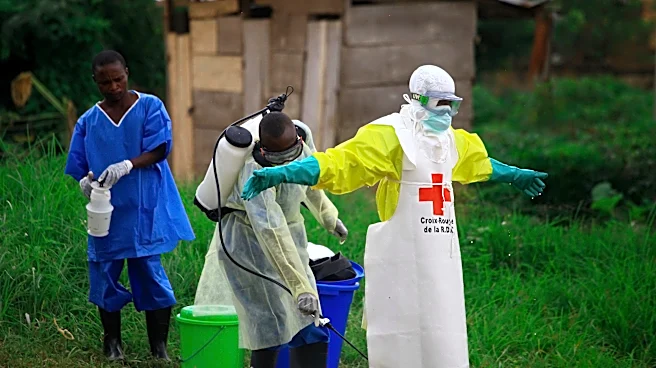
The Africa Centres for Disease Control and Prevention (Africa CDC) is actively monitoring an Ebola Virus Disease outbreak in Ituri Province, Democratic Republic of the Congo (DRC), and a related imported case in Uganda. The outbreak has resulted in 246
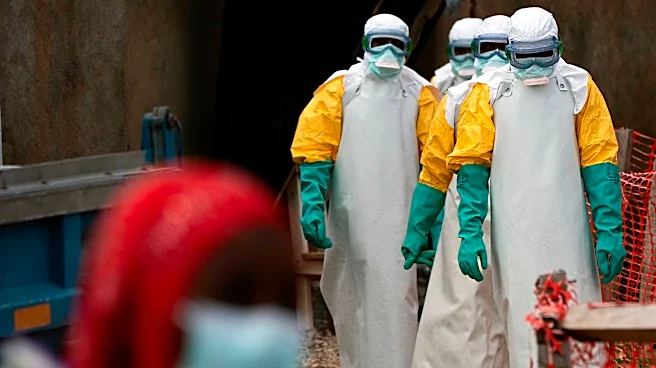
suspected cases and 65 deaths, with confirmed cases primarily in Mongwalu and Rwampara health zones. Uganda reported a confirmed case involving a 59-year-old Congolese male who died after being admitted to Kibuli Muslim Hospital. Africa CDC is collaborating with national authorities and partners to implement a rapid, coordinated response to prevent further transmission and cross-border spread. The organization has activated an Incident Management Support Team and is deploying multidisciplinary teams to support affected regions.
Why It's Important?
The outbreak poses a significant public health challenge due to the potential for cross-border transmission, particularly given the urban settings and high population mobility in affected areas. The situation underscores the need for swift regional coordination to manage the outbreak effectively. The involvement of Africa CDC highlights the importance of regional solidarity and scientific rigor in addressing such health crises. The outbreak's impact extends beyond immediate health concerns, potentially affecting regional stability and economic activities, especially in mining areas like Mongwalu. Effective containment is crucial to prevent a broader epidemic that could strain healthcare systems and disrupt communities.
What's Next?
Africa CDC has scheduled a high-level regional coordination meeting with health authorities from DRC, Uganda, and South Sudan, alongside international partners like WHO and UNICEF. The meeting will focus on immediate response priorities, including cross-border surveillance, laboratory support, and community engagement. Africa CDC is also enhancing political engagement to secure high-level support for access and coordination. The organization urges communities to adhere to health guidelines and report symptoms promptly. Continued updates will be provided as more information becomes available, including sequencing results and outcomes from the regional coordination efforts.