





What's Happening?
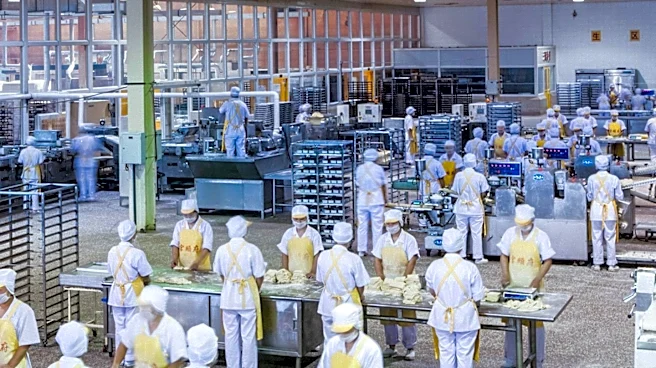
Industrialized food systems are facing significant criticism due to their environmental, health, social, economic, and governance issues, despite their success in increasing food supply. These systems heavily rely on non-renewable fossil resources, leading
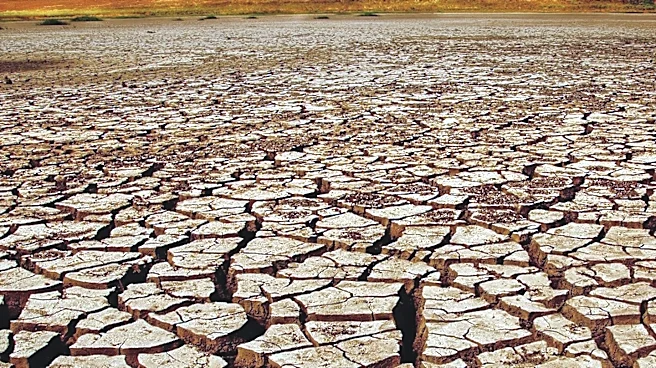
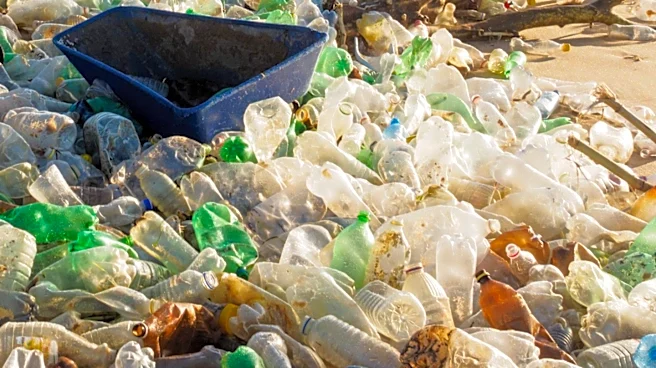
to their depletion, and contribute to the overexploitation of renewable resources like forests and marine life. Agriculture accounts for nearly 40% of the Earth's land area, with two-thirds used for livestock grazing and feed production, contributing to deforestation. The massive use of chemical fertilizers and pesticides has resulted in widespread pollution of water and air, with agriculture responsible for 90% of ammonia emissions in the EU. Furthermore, the industrialization of food has generated new individual health risk factors, including micronutrient deficiencies and a rise in overweight and obesity, affecting billions globally. Food systems are also a major source of greenhouse gas emissions, accounting for a third of all global anthropogenic emissions in 2015.
Why It's Important?
The widespread issues associated with industrialized food systems pose a critical threat to global sustainability and human well-being. The depletion of natural resources, including finite elements like phosphorus and the overexploitation of forests and fish stocks, jeopardizes long-term food security and ecological balance. The extensive pollution from agricultural chemicals impacts human health through contaminated food and air, contributing to illnesses and reduced agricultural productivity due to biodiversity loss. The 'triple burden' of undernutrition, micronutrient deficiency, and overnutrition highlights the complex health challenges arising from these systems. Economically, the concentration of power within the food system, with a few large companies controlling significant market shares, weakens farmers' bargaining power and steers innovation away from sustainable solutions. These interconnected problems underscore the urgent need for a fundamental shift in how food is produced, distributed, and consumed.
What's Next?
Addressing the limits of industrialized food systems requires a multi-faceted approach, moving beyond maximizing food production to actively contributing to the viability of the biosphere and fostering inclusive socio-economic development. This involves transitioning towards more sustainable agricultural practices that reduce reliance on fossil fuels and chemical inputs, promote biodiversity, and minimize pollution. Policy makers and industry leaders need to adopt multi-criteria frameworks that evaluate environmental and social impacts alongside economic returns. There is a growing need for research into the vulnerability and resilience of food systems, particularly concerning the compounding effects of environmental, health, and socio-economic risks. Furthermore, efforts to reduce food waste, improve access to healthy food, and ensure fair distribution of value within the food chain are crucial for mitigating the negative consequences of current systems.
Beyond the Headlines
The critique of industrialized food systems extends to deeper ethical and governance concerns. The concentration of power in a few large corporations raises questions about market fairness, transparency, and the ability of these entities to influence public policy. The rise of digital technology in agriculture, while offering opportunities, also presents risks of increased monitoring and control over individual behavior, potentially impacting freedom and autonomy in food choices. The global disparities in carbon footprints, where industrialized nations contribute significantly to emissions but often rely on imported foods from developing countries, highlight issues of environmental justice and responsibility. Ultimately, the challenges posed by industrialized food systems necessitate a re-evaluation of societal values, moving towards a model that prioritizes ecological health, social equity, and long-term sustainability over short-term economic gains.