



What's Happening?
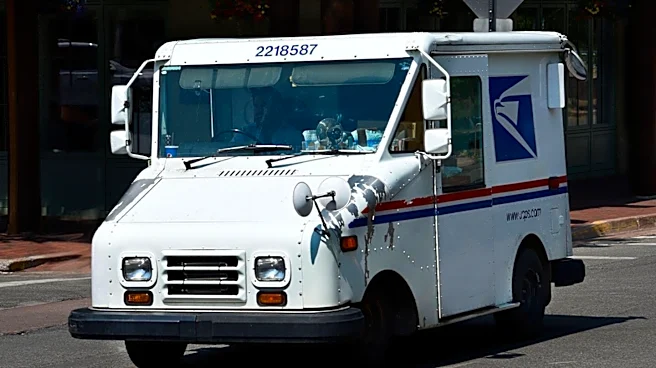
The United States Postal Service (USPS) has announced it will celebrate the Hindu festival of Diwali with a new stamp in 2026. The stamp will be unveiled on October 21, 2026, with retail sales and cancellations available from 10 a.m. to 2 p.m. ET, followed
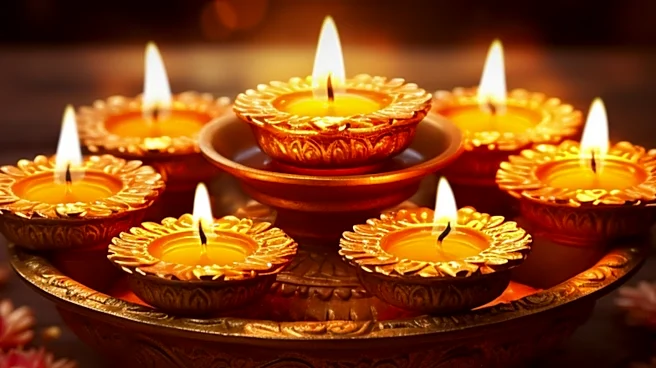
by a ceremonial first-day-of-issue unveiling and reception at 6 p.m. ET. Shibani Gambhir, USPS sales intelligence and support vice president, will serve as the dedicating official for the new stamp. Diwali, also known as Deepavali, is a significant annual Hindu event typically observed over five days, marking the triumph of good over evil. The festival falls on the eve of, or on, the new moon between mid-October and mid-November, with the main day in 2026 scheduled for November 8. The new stamp will feature an image of a rangoli, a vibrant floor pattern traditionally created with materials like colored rice powder, chalk, and flower petals. This specific rangoli was photographed by Bijay Dixit and crafted by artist Sangita Bhutada, showcasing an intricate design of blue, orange, green, red, and white against a purple background. William J. Gicker served as the project's art director, and Jennifer Arnold designed the stamp, which will be sold in panes of 20 as a Forever stamp, always equal in value to the current First-Class Mail 1-ounce price.
Why It's Important?
The issuance of a new Diwali stamp by the USPS holds significant cultural and social importance for the United States. It represents a formal recognition and celebration of the Hindu festival of Diwali, acknowledging the growing diversity within the American population and the contributions of Hindu communities. This initiative helps to foster inclusivity and cultural understanding by bringing a widely celebrated international festival into the mainstream American consciousness through a tangible and accessible medium like postage stamps. For Hindu Americans, the stamp serves as a symbol of pride and belonging, validating their cultural heritage within the national landscape. Furthermore, the stamp's design, featuring a traditional rangoli, educates the broader public about the artistic and spiritual elements of Diwali, promoting cross-cultural appreciation. The USPS, as an independent federal establishment mandated to serve every American community, reinforces its commitment to reflecting the nation's diverse cultural tapestry. This move can also strengthen community ties and encourage dialogue about different cultural traditions, contributing to a more cohesive and understanding society.
What's Next?
Following the ceremonial unveiling on October 21, 2026, the new Diwali stamp will become available for purchase by the public. As a Forever stamp, it will remain valid for First-Class Mail regardless of future postage rate changes, ensuring its long-term use and visibility. The USPS will likely promote the stamp through its various channels, including post offices, its website, and social media, potentially leading to increased awareness and sales, especially within communities that celebrate Diwali. The introduction of this stamp may also encourage other cultural or religious groups to advocate for similar recognition through postal stamps, further diversifying the themes represented by the USPS. The stamp's release could also spark educational initiatives in schools or community centers, using the stamp as a focal point to teach about Diwali and Hindu culture. The USPS's continued efforts to reflect the nation's diversity through its stamp program are expected to continue, potentially leading to more culturally significant stamp issues in the future.
Beyond the Headlines
The introduction of the Diwali stamp by the USPS extends beyond a simple postal issuance; it signifies a broader trend of cultural integration and recognition within American society. This act by a federal institution underscores the evolving demographic landscape of the U.S. and the increasing influence of various cultural traditions. Such gestures can play a crucial role in shaping national identity, moving towards a more pluralistic understanding of what it means to be American. Ethically, it reflects a commitment to representation and inclusivity, acknowledging the diverse spiritual and cultural practices of its citizens. Culturally, it elevates a specific tradition, making it visible and accessible to a wider audience, thereby contributing to a richer cultural tapestry. In the long term, these types of recognitions can help combat cultural misunderstandings and promote social cohesion by fostering a sense of shared national experience that embraces difference. It also highlights the power of seemingly small governmental actions to have significant symbolic impact on community morale and national identity.