








What's Happening?
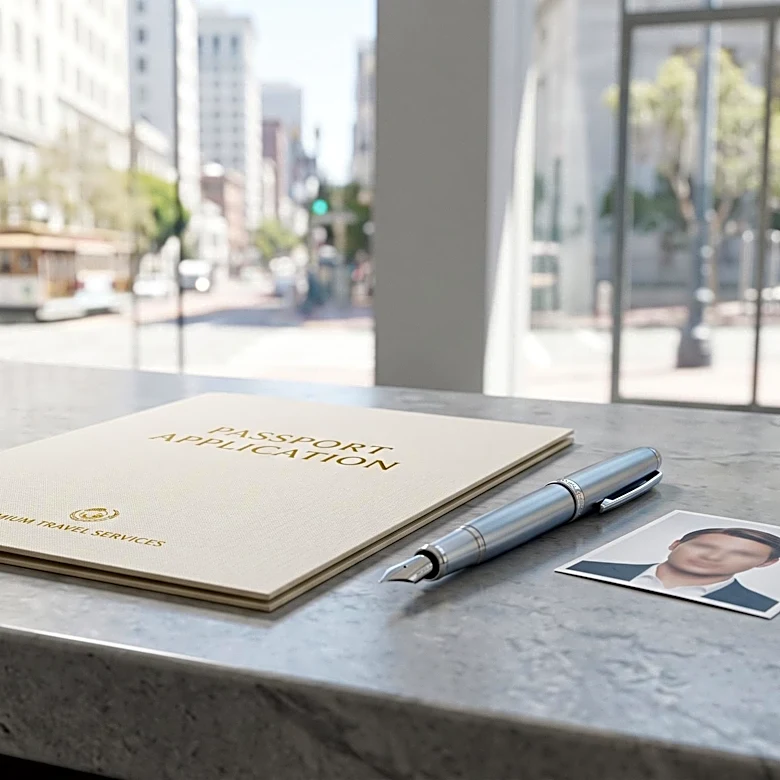
A digital service, Passport Photo Digital, is simplifying the UK passport application process by providing applicants with a unique photo code. This code links a digital passport photo, prepared and checked by the service, directly to the online application on GOV.UK.
Instead of manually uploading a photo file and risking rejection, users receive a code via email after uploading a photo taken on their phone. The service ensures the photo meets official UK passport photo requirements, including specifications for size, background, and facial expression. This approach aims to reduce delays caused by non-compliant photos, as a real person reviews each submission to ensure adherence to guidelines before generating the code. The service also offers options for printed copies and caters to British citizens living overseas, including those in the USA.
Why It's Important?
This digital photo code system significantly impacts the efficiency and user experience of the UK passport application process. For U.S. citizens applying for a UK passport, or British citizens residing in the U.S., this service offers a convenient and reliable method to ensure photo compliance, potentially preventing application delays. The traditional method of taking photos at booths or attempting self-capture often leads to rejections due to strict requirements. By outsourcing the photo preparation and verification to a specialized service, applicants can save time and reduce stress. This streamlined process could also indirectly benefit consular services by reducing the volume of applications with photo-related issues, allowing for faster processing of valid applications. The emphasis on human review rather than AI for photo verification adds a layer of assurance for applicants.
What's Next?
The continued adoption of such digital photo code services is likely to grow as more individuals seek convenient and error-free methods for passport applications. As digital government services expand, the integration of third-party solutions that simplify compliance, like this photo code system, could become more prevalent. Future developments might include further automation of initial checks while retaining human oversight for critical compliance points. The service's expansion to cater to British citizens in the USA suggests a growing demand for such cross-border digital solutions, potentially leading to similar services for other international document applications. Applicants should continue to monitor GOV.UK for any updates to passport photo requirements, as these rules can change.
Beyond the Headlines
The rise of services like Passport Photo Digital highlights a broader trend towards digitizing and simplifying bureaucratic processes, often through specialized third-party providers. This shift raises questions about the balance between convenience, security, and data privacy. While these services offer efficiency, they also involve sharing personal biometric data with private entities. The reliance on a 'real person' for photo review, as opposed to AI, underscores the current limitations and public trust issues surrounding AI in sensitive applications like identity verification. This model could set a precedent for how other complex document application requirements are handled digitally, potentially influencing how U.S. citizens interact with foreign government services and how U.S. agencies might consider similar integrations for their own processes.