







What's Happening?
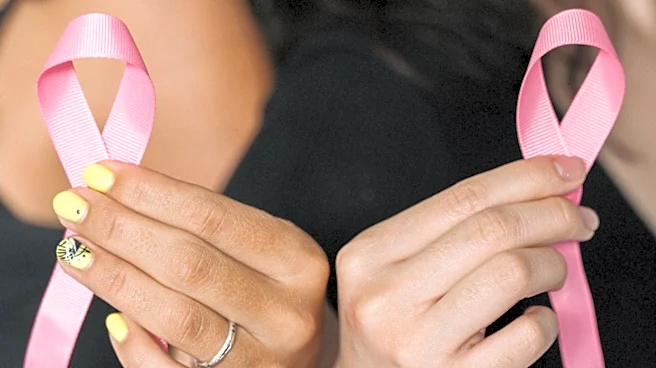
October marks Breast Cancer Awareness Month, an international initiative to raise awareness about breast cancer and advocate for improved access to timely diagnosis and quality care. The theme for 2026, 'Every story is unique, every journey matters,'
emphasizes the diverse experiences of individuals affected by the disease. Despite advancements, significant inequalities in breast cancer survival persist globally. For instance, only 41% of women in low-income countries are expected to survive at least five years post-diagnosis, compared to 87% in high-income countries. Approximately 70% of breast cancer deaths occur in low- and middle-income countries, where access to early detection, timely diagnosis, and comprehensive treatment is severely limited. Breast cancer remains the most common cancer among women worldwide, with 2.4 million diagnoses and 694,000 deaths reported in 2024.
Why It's Important?
The stark disparities in breast cancer survival rates underscore a critical global health equity issue. Where a person lives should not determine their chances of surviving a treatable disease. These inequalities are not merely statistical but represent profound human suffering and preventable deaths. The lack of access to early diagnosis and effective treatment in many regions means that breast cancer is often detected at advanced stages, making successful intervention more challenging. Addressing these disparities requires concerted global efforts to strengthen healthcare infrastructures, improve screening programs, and ensure equitable access to life-saving treatments. Failure to do so perpetuates a cycle of poor health outcomes in vulnerable populations, placing a significant burden on individuals, families, and national health systems.
What's Next?
The World Health Organization (WHO) Global Breast Cancer Initiative (GBCI) aims to reduce these inequalities by setting targets such as diagnosing 60% of invasive breast cancers at stage I or II, ensuring diagnosis within 60 days of symptom presentation, and providing recommended complete treatment to 80% of diagnosed individuals. Achieving these goals necessitates action across the entire cancer care pathway, from health promotion and early detection to comprehensive treatment and supportive care. Countries are urged to integrate breast cancer services into universal health coverage packages and make them available in public facilities. Continued advocacy, support, and action from individuals, communities, and governments are crucial to empower those affected by breast cancer and ensure that everyone, regardless of their location, has access to the care they need.
Beyond the Headlines
The global disparities in breast cancer outcomes reflect broader systemic issues of healthcare access, economic inequality, and social determinants of health. Beyond the immediate medical interventions, factors such as education, infrastructure, and political will play a significant role in determining a woman's chance of survival. The emphasis on 'every story is unique, every journey matters' highlights the need for patient-centered care that respects individual circumstances and cultural contexts. This global health challenge also brings to light the ethical imperative for high-income countries to support low- and middle-income countries in building resilient health systems. Ultimately, addressing breast cancer disparities is not just about medical treatment; it's about fostering global solidarity and ensuring fundamental human rights to health and well-being.