
What's Happening?
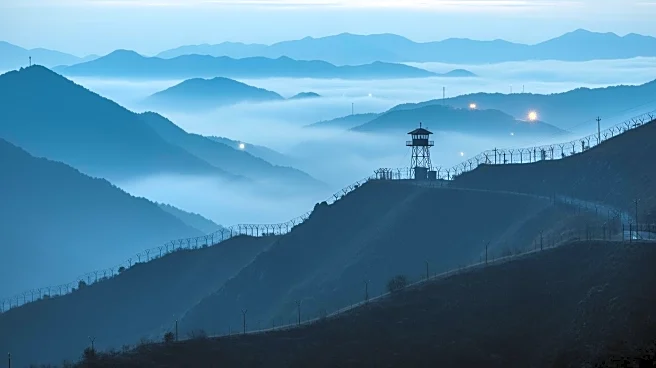
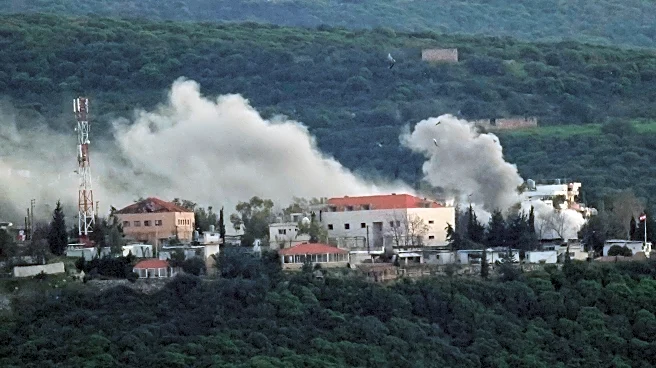
Israel's Defense Minister, Israel Katz, has announced plans to establish a 'security zone' extending up to the Litani River in southern Lebanon. This move is part of Israel's strategy to protect its northern communities from rocket attacks by Hezbollah,
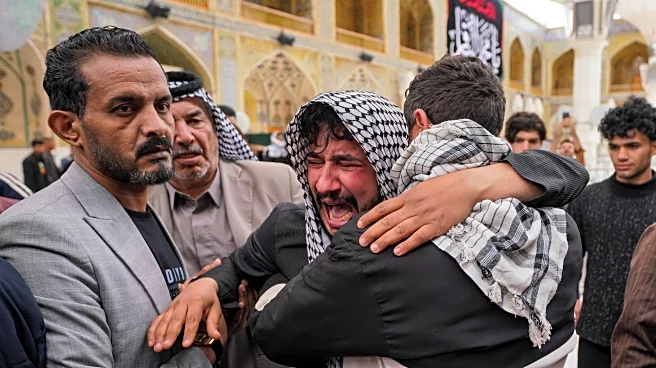
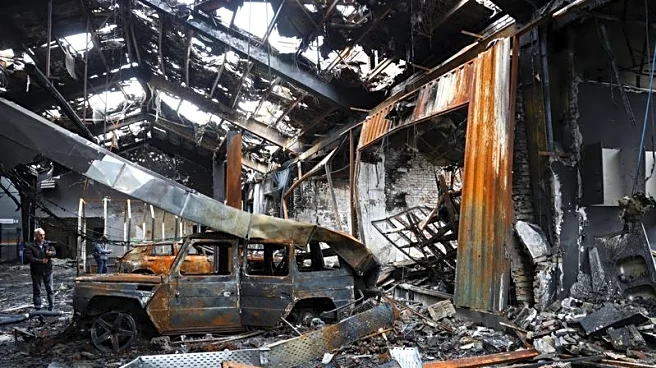
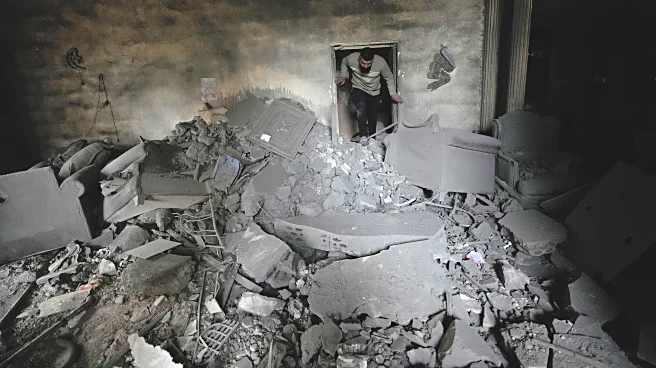
a militant group backed by Iran. Katz stated that Israeli troops would destroy homes used by militants, and residents would not be allowed to return until the area is deemed safe. This approach mirrors tactics used in Gaza, where Israeli forces have previously flattened and depopulated areas. The plan has sparked fears of a prolonged occupation and the displacement of over a million people in Lebanon. The international community has expressed concerns about the legality and humanitarian impact of such actions.
Why It's Important?
The establishment of a security zone in southern Lebanon could have significant geopolitical and humanitarian implications. For Israel, it represents a strategic move to secure its borders against Hezbollah's attacks. However, for Lebanon, it could mean a loss of territory and prolonged displacement for its citizens. The plan has drawn international criticism, with concerns about potential violations of international law and the humanitarian crisis it could exacerbate. The situation also highlights the ongoing tensions in the region, with Israel's actions potentially leading to further conflict with Hezbollah and complicating relations with neighboring countries.
What's Next?
The next steps could involve increased military operations by Israel in southern Lebanon, potentially leading to further destruction and displacement. The international community may call for diplomatic interventions to prevent an escalation of the conflict. Lebanon's government might seek to engage in talks with Israel, although previous attempts have been unsuccessful. The situation remains volatile, with the potential for further military and political developments in the region.
Beyond the Headlines
The proposed security zone raises ethical and legal questions about the use of military force and the rights of displaced populations. It also reflects broader regional dynamics, including the influence of Iran and the role of Hezbollah in Lebanon. The situation could lead to long-term shifts in the balance of power in the Middle East, affecting not only Israel and Lebanon but also other countries in the region. The humanitarian impact on displaced Lebanese citizens could have lasting effects on the country's social and economic fabric.