





What's Happening?
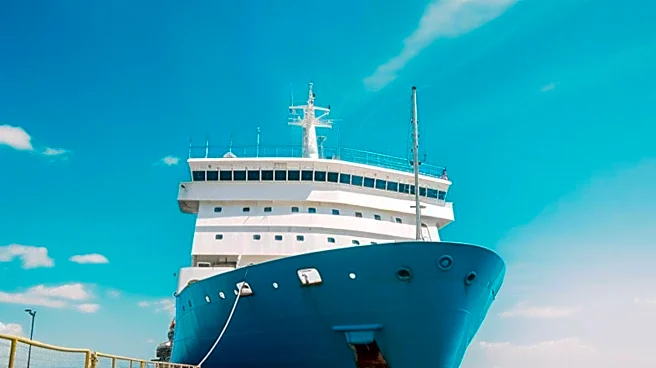
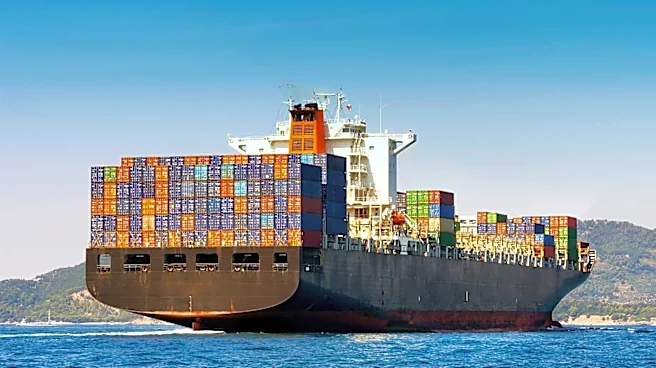
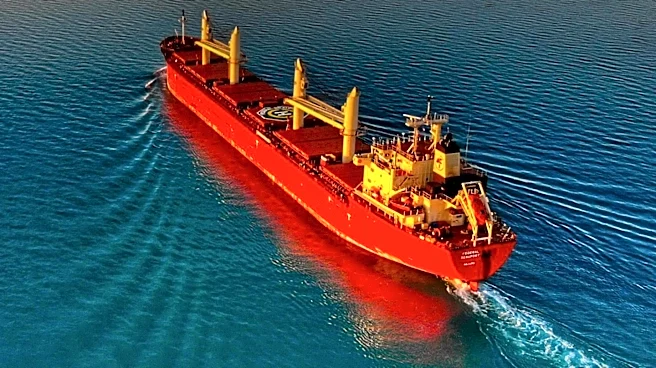
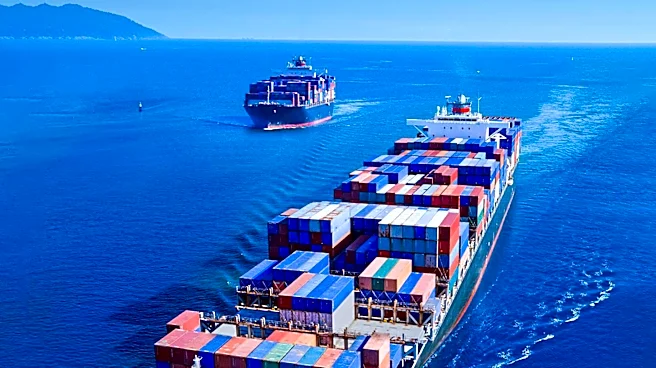
Thousands of ships have been stranded near the Strait of Hormuz due to ongoing hostilities between the United States and Iran, creating a potential ecological crisis. These idle vessels, numbering around 1,500, are at risk of becoming 'floating nurseries'
for invasive marine species. A study by the University of Maryland Center for Environmental Science warns that biofouling on these ships could lead to a global spread of invasive species once trade resumes. The prolonged anchorage allows marine organisms to accumulate on ship hulls, posing a threat to ecosystems worldwide.
Why It's Important?
The situation presents a significant ecological threat, as invasive species can disrupt local ecosystems, outcompete native species, and cause economic damage. The potential spread of these organisms could have long-lasting impacts on marine biodiversity and coastal economies. The issue also highlights the broader environmental consequences of geopolitical conflicts, as the disruption of global shipping routes can lead to unforeseen ecological challenges. Addressing biofouling is crucial to prevent a 'super-spreader' event of invasive species.
What's Next?
Efforts to manage biofouling on stranded ships are expected to intensify, with calls for immediate intervention to clean hulls before vessels resume operations. Port authorities and environmental managers may implement stricter biofouling management practices and enhance monitoring at high-risk ports. The situation underscores the need for international cooperation to address the ecological risks associated with maritime chokepoints. The shipping industry may also face increased costs and regulatory scrutiny as it adapts to these environmental challenges.