




What's Happening?
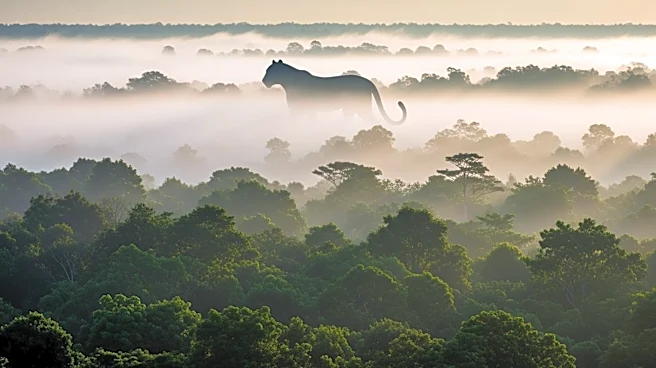
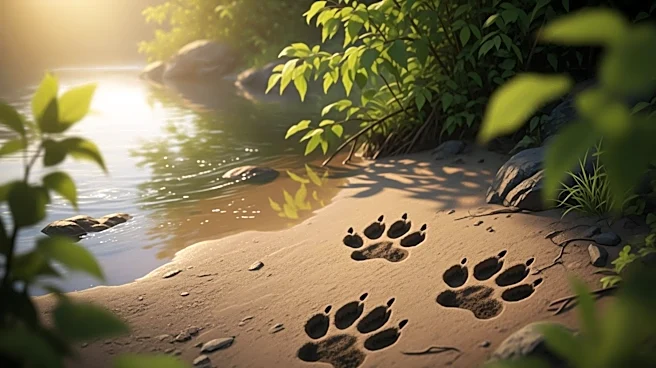
A rare sighting of a 'cloud jaguar' in the Sierra del Merendón mountain range in Honduras has sparked hope for conservationists. This marks the first time in a decade that a jaguar has been detected in this high-altitude forest, captured by camera traps
on February 6, 2026. The jaguar, a lone male, was spotted at approximately 2,200 meters above sea level, an unusual altitude for these big cats. The sighting is part of a broader conservation effort by Panthera, a wild cat conservation organization, which has been working to protect jaguar habitats across Central America. Jaguars have lost nearly half of their historic range in the Americas, with most populations now endangered. In Honduras, deforestation and poaching pose significant threats to these animals. However, the government has committed to reducing deforestation and restoring forest areas, supported by military patrols to prevent illegal activities.
Why It's Important?
The sighting of the cloud jaguar is a significant indicator of the success of ongoing conservation efforts in Honduras. Jaguars are crucial to maintaining ecological balance as apex predators, and their presence suggests a healthy ecosystem. The conservation strategies, including the establishment of wildlife corridors and anti-poaching measures, are vital for the survival of jaguars and other wildlife. The Merendón corridor is part of the Jaguar Corridor Initiative, which aims to connect jaguar populations from Mexico to Argentina. This initiative is crucial for maintaining genetic diversity and ensuring the long-term survival of the species. The recent increase in jaguar populations in Mexico and the adoption of a new international framework for jaguar protection highlight the growing commitment to conserving these iconic animals.
What's Next?
Future efforts will focus on enhancing connectivity between jaguar populations through the creation of new protected areas and wildlife corridors. Panthera, in collaboration with the Rainforest Trust, plans to establish the Wildlife Refuge Guanales, linking Cusuco National Park in Honduras with the Sierra Caral Reserve in Guatemala. This new corridor will further strengthen the jaguar's range and support biodiversity. Additionally, governments and NGOs will continue to work together to improve population monitoring and address threats such as illegal poaching. The success of these initiatives could serve as a model for other conservation efforts worldwide, emphasizing the importance of habitat protection and international cooperation.
Beyond the Headlines
The sighting of the cloud jaguar also underscores the importance of protecting high-altitude habitats, which are often overlooked in conservation plans. These areas provide critical refuge for wildlife and are essential for maintaining biodiversity. The success in Honduras demonstrates that with adequate protection and management, even endangered species can recover. This case highlights the need for comprehensive conservation strategies that consider all aspects of an ecosystem, including less obvious habitats. It also raises awareness about the broader environmental challenges facing the region, such as deforestation and climate change, and the need for sustainable development practices.