





What's Happening?
Dietitians are highlighting the critical role of daily food and beverage choices in maintaining liver health, identifying four key categories that can be detrimental when consumed frequently. These include processed meats, ultra-processed foods, fast
food and fried foods, and alcohol. According to Amy Kennett, M.S., RDN, CCTD, processed meats, high in saturated fat, sodium, and preservatives, contribute to insulin resistance and metabolic syndrome, increasing the risk of metabolic dysfunction-associated steatotic liver disease (MASLD). Kat Durston, RDN, LDN, notes that ultra-processed foods, characterized by low fiber and high refined carbohydrates, added sugars, salt, and saturated fat, promote fat storage in the liver. Fast food and fried foods are described as a 'triple threat' due to their high content of refined carbs, unhealthy fats, and sodium, with research indicating a higher liver fat percentage in individuals consuming 20% or more of their daily calories from fast food. Excessive alcohol consumption, regardless of type, places significant stress on the liver, increasing the risk of various liver diseases, including fatty liver disease, alcohol-associated hepatitis, cirrhosis, and cancer.
Why It's Important?
The liver is a vital organ responsible for nutrient storage, bile production, and detoxification. The consistent consumption of these identified harmful foods and beverages can impede the liver's ability to perform these essential functions, leading to serious health complications. The rise in conditions like MASLD, previously known as nonalcoholic fatty liver disease, underscores the public health implications of modern dietary patterns. This information is crucial for public awareness, encouraging individuals to make informed dietary choices that can prevent chronic liver conditions. The emphasis on limiting these foods and incorporating nutrient-dense alternatives could lead to a reduction in liver disease prevalence, thereby alleviating pressure on the healthcare system and improving overall public health outcomes. Understanding these dietary impacts empowers individuals to take proactive steps in managing their health, potentially reducing long-term medical costs and improving quality of life.
What's Next?
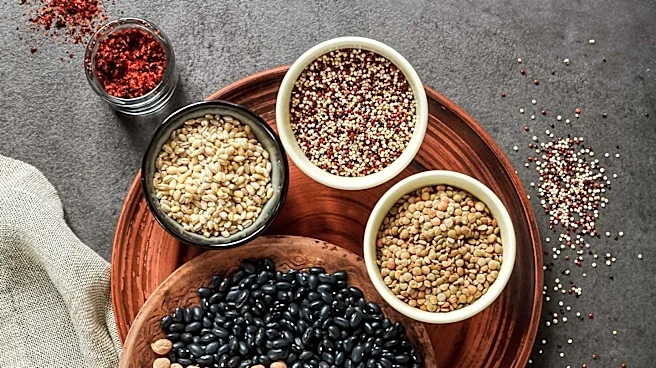
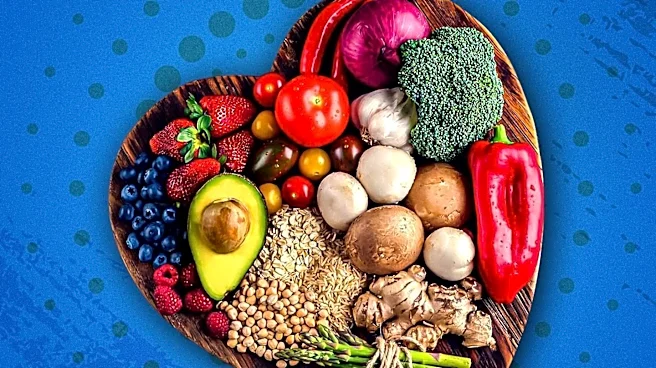
Individuals are encouraged to adopt dietary changes to support liver health. This involves actively reducing or eliminating processed meats, ultra-processed foods, fast food, fried foods, and alcohol from their diets. Simultaneously, dietitians recommend incorporating beneficial alternatives such as black coffee and unsweetened tea, whole grains and legumes, fatty fish like salmon, sardines, and mackerel, and olive oil. These alternatives provide essential nutrients, fiber, and healthy fats that aid in reducing fat storage in the liver, calming inflammation, and promoting a healthy gut environment. Swapping sugary drinks for unsweetened seltzer water is also advised to avoid excessive fructose intake, which can increase liver fat production. Continued public health campaigns and educational initiatives focusing on these dietary guidelines could further promote healthier eating habits and mitigate the risk of liver disease across the population.
Beyond the Headlines
The discussion around liver health extends beyond individual dietary choices to broader societal and economic factors. The prevalence of processed and fast foods reflects a modern lifestyle often characterized by convenience over nutritional value, driven by busy schedules and aggressive marketing. Addressing this issue effectively may require systemic changes, including policy interventions to promote healthier food options, regulate food labeling, and support access to fresh, whole foods. The economic impact of liver diseases, including healthcare costs and lost productivity, is substantial, making preventive dietary measures a critical component of public health strategy. Furthermore, the cultural normalization of alcohol consumption often overshadows its significant health risks, necessitating a re-evaluation of societal attitudes towards drinking. This highlights the complex interplay between individual responsibility, industry practices, and public health policy in shaping the nation's health.