



What's Happening?
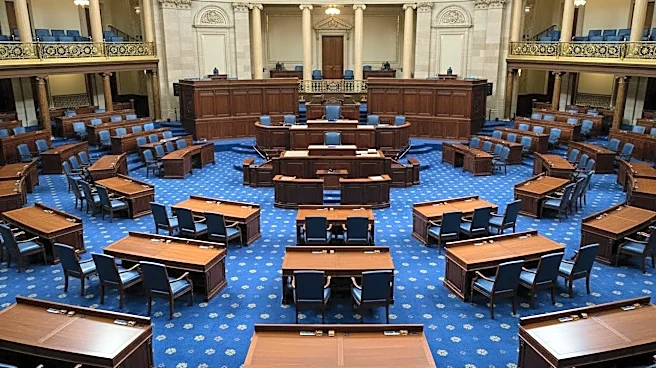
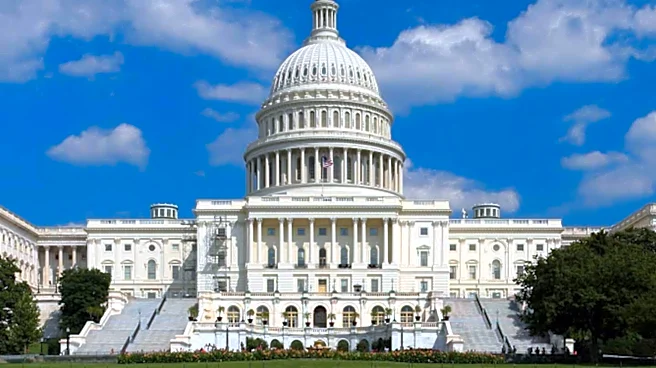
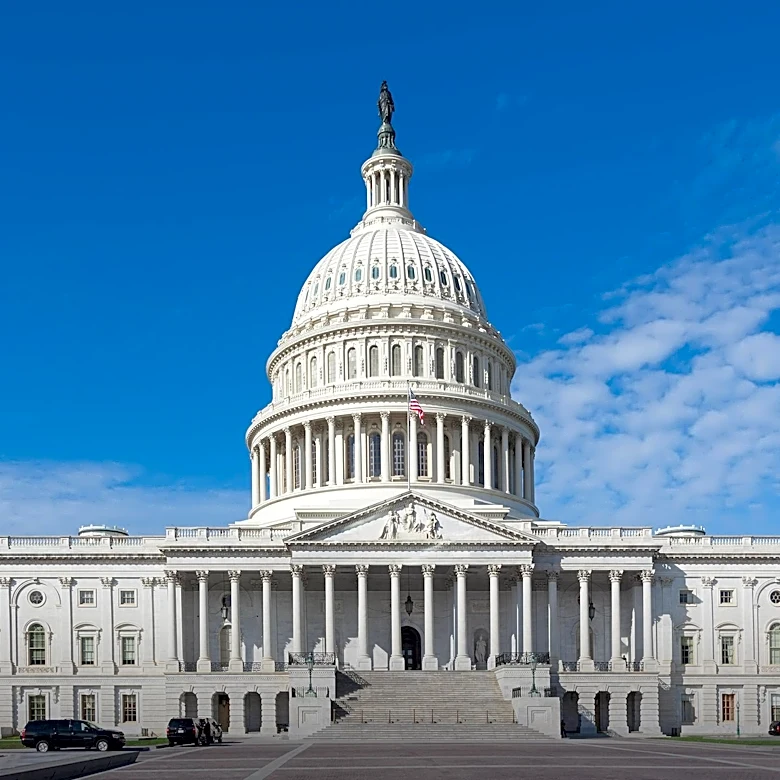
Senator Joni Ernst (R-Iowa) is championing a new Senate bill, the 'No Cash for Cohabitating Kins of Crooks Act,' aimed at preventing individuals who live with convicted criminals or fraudsters from receiving federal grants, loans, subawards, or reimbursements.
This legislative push is a direct response to several high-profile cases of families allegedly swindling millions from COVID-19 relief funds. One such case involved a California family, led by Richard Ayvazyan and Marietta Terabelian, who defrauded $18 million, using stolen identities to fund luxury items before fleeing the U.S. after conviction. Another instance cited was the Edwards family in Florida, accused of seeking $6 million from the Small Business Administration’s Paycheck Protection Program through a bogus family ministry. Senator Ernst's team has identified approximately $50 million in fraud committed by 15 different 'fraudster families' across the country, highlighting a pattern of coordinated family efforts to exploit government aid programs. The bill includes provisions for spouses living separately from a convicted individual or survivors of domestic abuse.
Why It's Important?
This proposed legislation addresses a significant vulnerability in federal aid distribution, aiming to close loopholes that have allowed organized family units to defraud taxpayer money. The 'No Cash for Cohabitating Kins of Crooks Act' could have a substantial impact on how government funds are disbursed and monitored, potentially reducing fraud and increasing accountability. By targeting 'fraudster families,' the bill seeks to deter future attempts at large-scale financial deception, particularly in times of national crisis when aid programs are rapidly implemented. The cases highlighted, such as the $18 million California fraud and the $6 million Florida scheme, underscore the scale of financial loss to taxpayers. If passed, this bill could lead to stricter vetting processes for federal aid applicants and potentially influence how families are held collectively responsible for financial crimes, thereby safeguarding public funds and restoring trust in government assistance programs.
What's Next?
The 'No Cash for Cohabitating Kins of Crooks Act' will proceed through the legislative process in the Senate. It will likely undergo committee review, debates, and potential amendments before a vote. Stakeholders, including civil liberties groups, financial institutions, and other lawmakers, may weigh in on the bill's implications, particularly regarding its scope and potential impact on innocent family members. The bill's progress will depend on bipartisan support and the urgency placed on combating fraud related to federal aid programs. If enacted, federal agencies responsible for distributing grants, loans, and reimbursements would need to implement new guidelines and verification procedures to comply with the law, potentially leading to a more stringent application process for all recipients.
Beyond the Headlines
The proposed legislation raises deeper questions about the balance between individual accountability and familial responsibility in cases of fraud. While the intent is to prevent organized family fraud, the bill's provisions could spark debates about due process and the potential for unintended consequences, such as penalizing individuals who may be unaware of a family member's illicit activities or who are financially dependent on them. It also highlights the ongoing challenge of designing and implementing large-scale aid programs that are both efficient in distribution and robust against fraud. The focus on 'fraudster families' suggests a recognition of sophisticated, coordinated criminal enterprises that exploit systemic weaknesses, prompting a re-evaluation of how government oversight can adapt to evolving methods of financial crime. This could lead to broader discussions on data sharing between agencies and enhanced investigative powers to identify and prosecute such networks.