



What's Happening?
Across the United States, a growing trend sees vacant and historic school buildings being repurposed into affordable housing. According to RentCafe, nearly 2,000 apartments were created from former school buildings in 2024, marking an all-time high and representing
7.9% of all new apartments from adaptive reuse projects. This trend is continuing into 2026, with several transformations recently completed or under construction. Examples include the Calvin Anderson Schoolhouse Apartments at St. Colman in Turtle Creek, Pennsylvania, which provides affordable housing for youths aging out of foster care, and the Earle Residences in Chicago, which converted the historic Charles Warrington Earle School into 50 affordable and supportive housing units. Other projects include Elmer Gardens in Schenectady, New York, offering senior housing, and Jefferson School Lofts in Oskaloosa, Iowa, also for seniors.
Why It's Important?
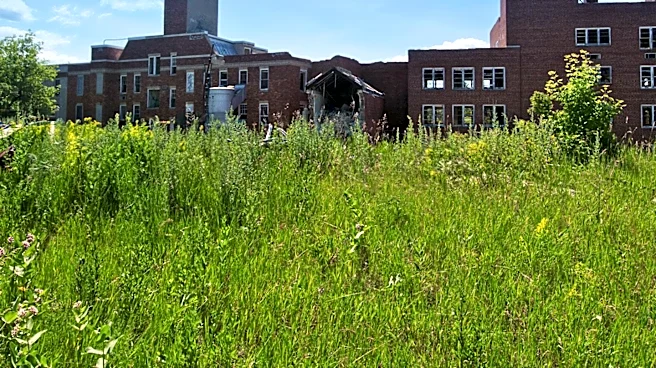
This adaptive reuse trend is crucial for addressing the nationwide affordable housing crisis while simultaneously preserving historical architecture and revitalizing communities. By converting vacant school buildings, developers are providing much-needed housing options, often with supportive services, for vulnerable populations such as low-income families, seniors, and youth transitioning out of foster care. This approach is more sustainable than new construction, reducing waste and utilizing existing infrastructure. It also breathes new life into neglected landmarks, transforming them from eyesores into vibrant community assets. The financial structures supporting these projects often involve a combination of federal and state low-income housing tax credits, historic rehabilitation tax credits, and community development block grants, demonstrating a collaborative effort to tackle housing challenges.
What's Next?
The momentum for converting old school buildings into housing is expected to continue, with more projects likely to emerge across the country. The success of current initiatives, such as the Roosevelt School in Keene, New Hampshire, which is undergoing a two-phase redevelopment to create 60 affordable apartments, will likely encourage similar endeavors. Communities and developers will continue to explore innovative financing models and partnerships to fund these complex adaptive reuse projects. As the demand for affordable housing persists and the number of vacant institutional buildings remains high, this trend offers a viable and environmentally conscious solution. Future developments will likely focus on integrating additional community amenities and supportive services to create holistic living environments.
Beyond the Headlines
Beyond the immediate benefit of providing housing, the transformation of old schools into residential spaces carries deeper societal implications. It represents a shift in how communities view and utilize their historical assets, moving towards a model of preservation through adaptation rather than demolition. These projects often become symbols of community resilience and innovation, fostering a sense of pride and continuity. The integration of supportive services within these developments, such as those for foster youth or seniors, highlights a holistic approach to community welfare, recognizing that housing is just one component of a stable life. This trend also underscores the potential for creative solutions to urban challenges, demonstrating that with vision and collaboration, even long-vacant structures can serve vital contemporary needs.