





What's Happening?
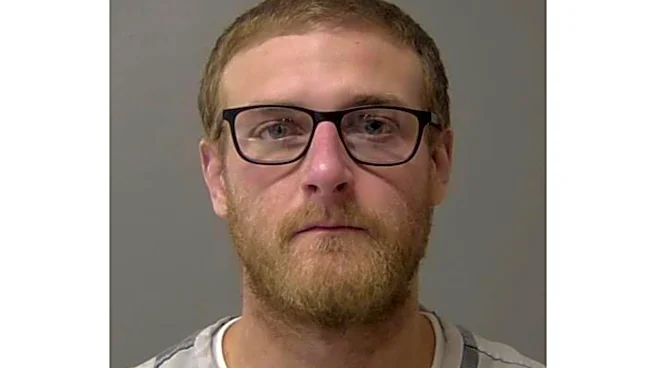
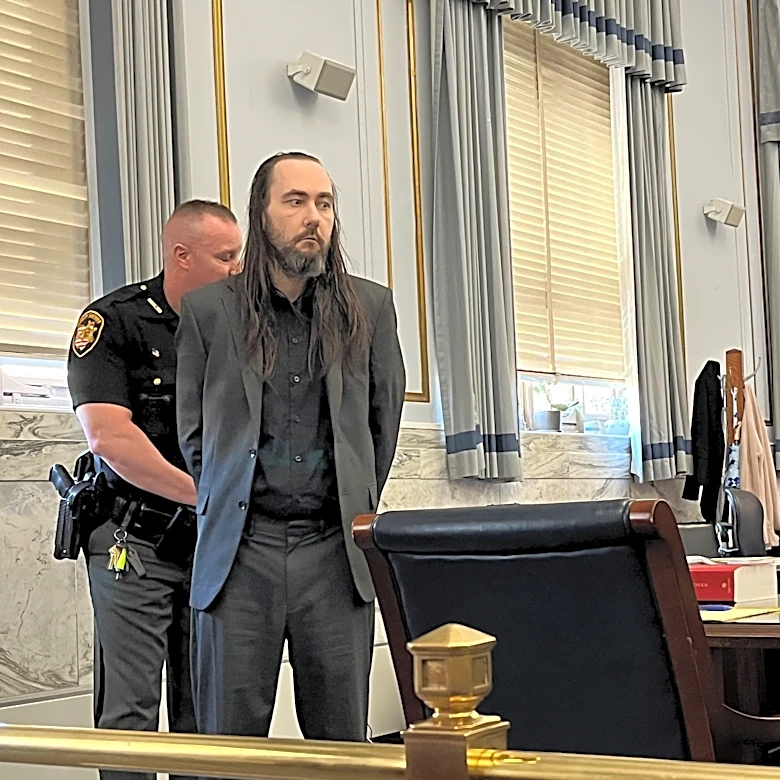
A man, whose true identity remains unknown and is referred to in court records as FNU LNU (First Name Unknown, Last Name Unknown), has been sentenced to five years in federal prison. He was also ordered to pay nearly $284,000 in restitution. The sentencing
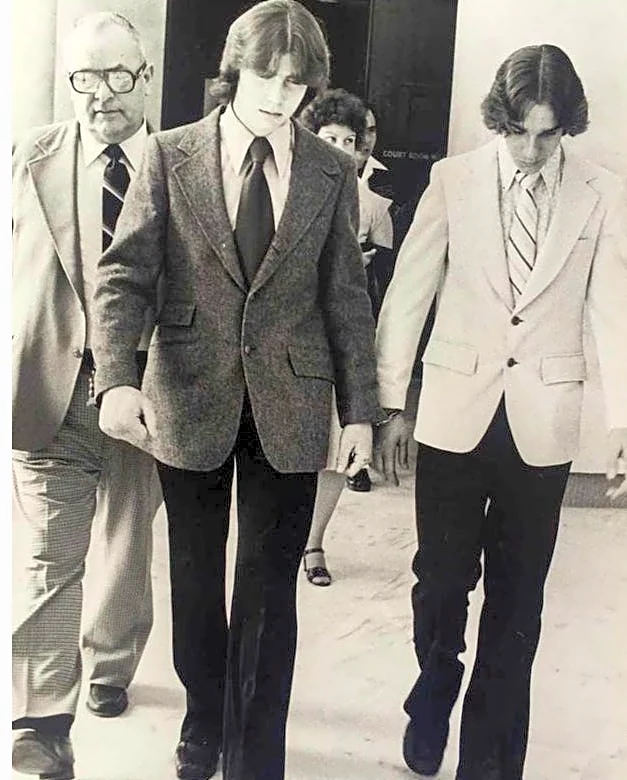
by U.S. District Judge David C. Nye followed a federal jury's conviction in May on charges of wire fraud, theft of government funds, and aggravated identity theft. For approximately 25 years, the man assumed the identity of Carlos Ramon Obregon, a Los Angeles boy who died in a 1977 drive-by shooting at the age of 14. The man began using Obregon's identity in 2000 by applying for a replacement Social Security card. He subsequently obtained Idaho state identification cards and a U.S. passport under Obregon's name, traveling to Mexico multiple times. His attempt to renew the passport in 2024 was unsuccessful. Over this period, he collected about $284,000 in government benefits, including $177,000 in Supplemental Security Income, $91,000 in Medicaid, $12,000 in Supplemental Nutrition Assistance Program benefits, and $3,200 in COVID-19 Economic Impact Payments.
Why It's Important?
This case highlights significant vulnerabilities within federal and state benefit systems and the severe impact of identity theft, particularly when involving deceased individuals. The substantial amount of taxpayer funds defrauded—nearly $284,000—underscores the financial burden on public resources. U.S. Attorney Bart M. Davis emphasized that such sentences send a strong message against stealing taxpayer funds and identity theft. Jonathan P. Kazmar, Special Agent in Charge of the U.S. State Department's Diplomatic Security Service San Francisco Field Office, noted the real harm caused by exploiting the identities of the deceased and the importance of protecting U.S. travel and identity documents. Christian Assaad, Special Agent in Charge of the Social Security Administration's Office of Inspector General, pointed out that the fraud diverted critical resources from those genuinely in need. USDA Inspector General John Walk stated that the case reveals systemic weaknesses in fraud prevention, stressing the need for stronger measures like upfront identity verification and data analytics to prevent such fraud.
What's Next?
The man will serve his 61-month prison sentence and is mandated to pay nearly $284,000 in restitution. This case is expected to prompt further scrutiny and potential reforms in how federal and state agencies verify identities for benefit distribution and document issuance. Law enforcement agencies, including the Social Security Administration Office of Inspector General, the State Department's Diplomatic Security Service, the Health and Human Services Office of Inspector General, the Treasury Inspector General for Tax Administration, the U.S. Department of Agriculture Office of Inspector General, and the Idaho Transportation Department, are likely to continue their cooperative efforts to enhance fraud prevention measures. The emphasis on strengthening upfront identity verification and data analytics suggests that new policies or technological implementations may be considered to close existing loopholes and prevent similar long-term frauds from occurring in the future. The ongoing challenge of verifying identities, especially for individuals who have successfully evaded identification for decades, remains a critical area for improvement.
Beyond the Headlines
The inability to establish the true identity of the perpetrator, despite a federal conviction and sentencing, raises profound questions about national security and the integrity of identity verification processes. The use of a deceased child's identity for 25 years to access multiple government benefits points to a systemic failure that extends beyond financial fraud, touching upon the very fabric of personal identification and trust in public services. This case could trigger a broader re-evaluation of how death records are cross-referenced with applications for social security, healthcare, and other government programs. The ethical implications of exploiting the identity of a deceased minor are significant, highlighting a callous disregard for the victim's memory and family. Furthermore, the case underscores the potential for individuals to operate within the U.S. system without a verifiable identity, posing challenges for law enforcement and national security agencies in tracking and identifying individuals who may engage in more severe criminal activities. The long-term societal impact includes erosion of public trust in government programs and increased pressure for more robust, potentially intrusive, identity verification methods.