



What's Happening?
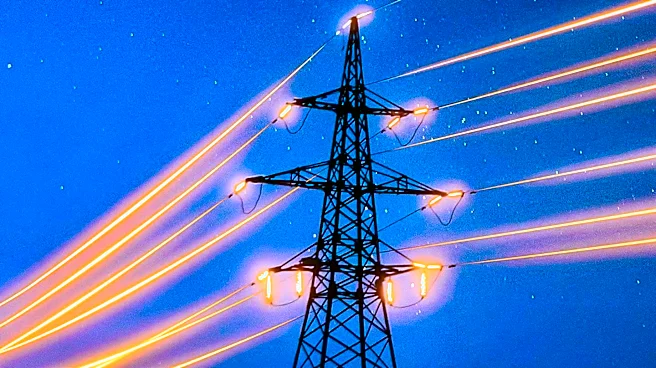
Staff for the West Virginia Public Service Commission (PSC) has expressed significant concerns regarding five proposed route changes for the Mid-Atlantic Resiliency Link (MARL) Project, a 107.5-mile, 500-kilovolt high-voltage electrical line. These changes were
introduced after the public hearing period and just weeks before an evidentiary hearing, leading to objections from PSC staff. The MARL project is designed to run from Dunkard Township, Pennsylvania, through several West Virginia counties including Monongalia, Preston, Mineral, Hampshire, and Jefferson, and extend to Gore, Virginia. NextEra Energy Transmission, the project developer, submitted the official siting application on January 30, with the final public comment hearing held on June 11. The evidentiary hearing is scheduled for October 26, and the deadline for direct testimony is September 8. On July 30, NextEra Energy Transmission filed a route revision supplement, describing the changes as minor, some of which were requested by potentially affected landowners or in response to concerns from the West Virginia Division of Natural Resources. The revisions are estimated to increase project costs by approximately one million dollars and would impact three previously uninformed landowners.
Why It's Important?
The PSC staff's objections are critical because they could lead to a delay or even dismissal of the MARL project application. The staff argues that the proposed changes constitute a material modification, requiring a minimum 60-day tolling of the case to ensure due process for newly affected landowners and allow for thorough investigation and analysis. This situation highlights the tension between infrastructure development and community rights, particularly concerning land use and environmental impact. The project itself is deemed important by PJM Interconnection, the regional grid operator, to address reliability issues stemming from power generation losses, support new power sources, and meet increased electricity demand in the region. A delay or dismissal could impede efforts to enhance regional energy reliability and integrate new power sources, potentially affecting energy costs and stability for consumers in West Virginia and surrounding states. The concerns raised by organizations like West Virginians Against Transmission Injustice underscore the broader public interest in transparent and fair regulatory processes for large-scale infrastructure projects.
What's Next?
The immediate next steps involve the West Virginia PSC's decision on the staff's recommendation to either suspend legal proceedings for two months or dismiss the application entirely due to lack of completeness. If the PSC agrees with the staff, the project's timeline will be significantly altered, potentially pushing back the start of construction and the ultimate completion of the transmission line. NextEra Energy Transmission will likely need to address the concerns regarding due process for newly affected landowners and provide more comprehensive information to the commission. The organization West Virginians Against Transmission Injustice will continue to advocate for dismissal or delay, emphasizing the need for a complete and adequately reviewed application. The outcome of this regulatory challenge will set a precedent for how future large-scale energy infrastructure projects are handled in West Virginia, particularly concerning public engagement and the integration of route modifications.
Beyond the Headlines
This situation delves into the complex interplay between energy infrastructure development, regulatory oversight, and community rights. The PSC staff's insistence on due process for newly affected landowners highlights the ethical and legal obligations of developers and regulators to ensure all stakeholders are adequately informed and have the opportunity to participate in decision-making. The debate over whether the route changes are 'minor' or 'material' reflects a broader challenge in large infrastructure projects: balancing project efficiency with comprehensive public engagement. The potential for increased costs due to these changes also underscores the economic implications of project modifications and regulatory delays. This case could influence future legislative or regulatory frameworks regarding public notification and participation requirements for infrastructure projects, potentially leading to more stringent guidelines for developers to prevent similar issues from arising. It also brings to light the ongoing tension between regional energy needs and local community impacts.