



What's Happening?
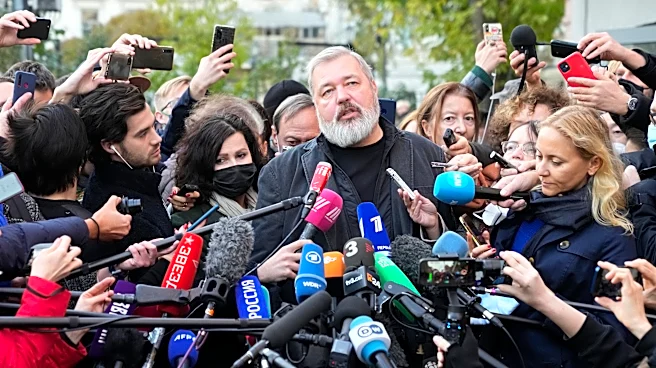
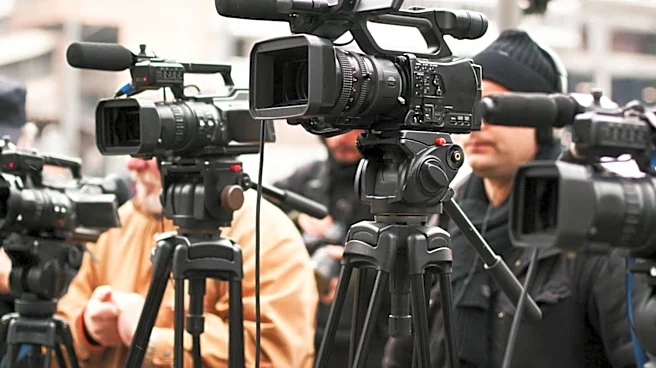
Journalists Bishwomani Subedi of Nepal Press and Shobharaj Baral, editor of Motivating News, were taken into police custody in Nepal. Plainclothes police also visited the offices of Naya Patrika and Diyo Post. This action has led to widespread protests,
with critics arguing that such arrests violate freedom of speech and expression. The Federation of Nepali Journalists and other organizations contend that complaints regarding news coverage should be handled by the Press Council, Nepal, rather than through police intervention. The incident highlights growing concerns over press freedom in the country, as journalists are being detained directly from their newsrooms, bypassing established regulatory bodies for media disputes.
Why It's Important?
The arrests of journalists directly from their newsrooms in Nepal carry significant implications for press freedom and democratic principles. Such actions can create a chilling effect, discouraging investigative journalism and critical reporting, which are essential for a functioning democracy. When law enforcement bypasses media regulatory bodies like the Press Council, Nepal, it undermines the established mechanisms for addressing journalistic conduct and can be perceived as an attempt to suppress dissent or unfavorable coverage. This situation could lead to a decline in public trust in both the media and government institutions, as citizens may fear a lack of transparency and accountability. For international observers, these events raise concerns about human rights and the rule of law in Nepal, potentially impacting foreign relations and aid.
What's Next?
Following the arrests, further protests and condemnations from national and international press freedom organizations are anticipated. The Federation of Nepali Journalists and other advocacy groups are likely to continue their calls for the immediate release of the detained journalists and for adherence to due process. There may be increased pressure on the Nepali government to clarify its stance on press freedom and to ensure that future complaints against media outlets are handled through appropriate regulatory channels, such as the Press Council, Nepal, rather than through police action. The incident could also prompt a broader debate within Nepal about the boundaries of free speech and the role of media in a democratic society.
Beyond the Headlines
The arrests of journalists in Nepal extend beyond immediate concerns of press freedom, touching upon the fundamental balance between state authority and individual liberties. This development could signal a broader trend of tightening control over information, potentially impacting civil society organizations and other forms of public expression. The use of plainclothes police and direct newsroom arrests suggests a deliberate strategy to intimidate and silence critical voices, which could erode democratic institutions over time. Such actions can also set a dangerous precedent, normalizing the suppression of media and making it more challenging for citizens to access diverse perspectives and hold power accountable. The long-term implications could include a less informed populace and a more authoritarian political landscape.