


What's Happening?
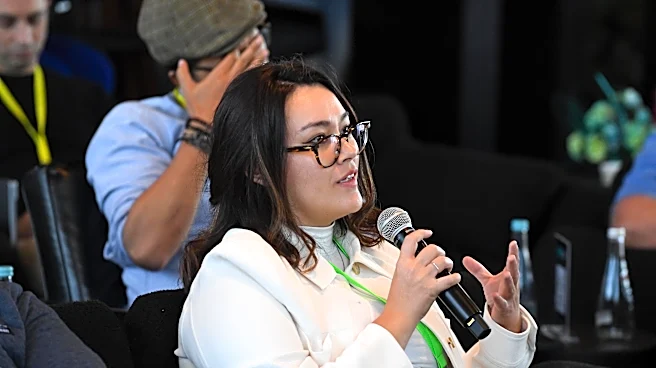
The Filastiniyat Foundation recently organized its annual conference, 'Palestinian Women Journalists Speak,' focusing on the experiences and trauma of female journalists in the Gaza Strip amidst the ongoing conflict. The conference, titled 'Conscious
Testimonies of Trauma from the Heart of Genocide,' brought together female journalists, researchers, and activists from Gaza, the West Bank, and internationally. Participants shared their experiences, highlighting the psychological, social, and professional effects of the war, and the challenges they face in continuing their work. The discussions revealed that female journalists not only transmit and witness events but also endure personal hardships as women, mothers, and breadwinners. The conference concluded with a set of demands, including investigations into alleged war crimes against journalists, provision of occupational safety equipment, compensation for lost equipment, and economic and professional support programs tailored to their specific needs.
Why It's Important?
This conference sheds light on the severe impact of conflict on female journalists, emphasizing their unique vulnerabilities and the critical role they play in documenting events. The demands for investigations into war crimes and accountability underscore the urgent need for protection and justice for media workers in conflict zones. The call for occupational safety equipment, compensation, and tailored support programs highlights the practical challenges faced by these journalists, many of whom have lost their livelihoods and are now sole providers for their families. Addressing these needs is crucial for enabling them to continue their vital work and ensuring that their resilience does not become an additional burden. The conference also aims to ensure that the Palestinian narrative is adequately represented in international media, countering potential biases and providing a more comprehensive understanding of the conflict.
What's Next?
The demands and recommendations from the 'Palestinian Women Journalists Speak' conference will likely be presented to relevant international bodies, human rights organizations, and media institutions. There will be an expectation for these entities to advocate for investigations into alleged war crimes against journalists and to provide the requested material and psychological support. The Filastiniyat Foundation and its partners will likely continue to push for the implementation of these recommendations, including the development of media institution policies that prioritize the protection and well-being of female journalists. The conference's focus on documenting experiences and advocating for support aims to ensure that the voices and needs of Palestinian female journalists are heard and addressed on a global scale, potentially influencing future humanitarian aid and media support initiatives.
Beyond the Headlines
Beyond the immediate demands, this conference highlights the broader issue of gender-specific challenges in conflict journalism. Female journalists often face compounded risks, including those related to their professional duties and their roles within families and communities. The emphasis on psychological support protocols underscores the long-term mental health impact of reporting from war zones, an aspect often overlooked. The conference also implicitly challenges the 'double standards' in how victims of conflict are perceived and reported by international media, advocating for a more nuanced and empathetic approach. This initiative could serve as a model for other regions experiencing conflict, promoting a more holistic understanding of journalists' needs and advocating for their protection and well-being as essential components of a free and informed press.