




What's Happening?
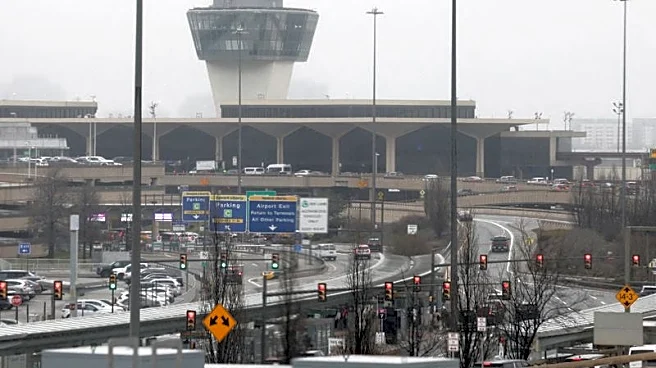
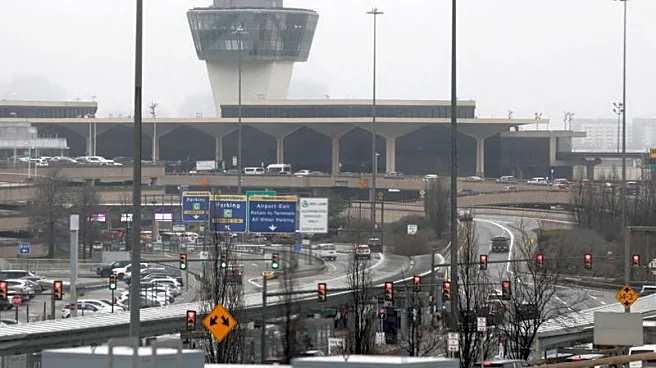
Airlines for America, a trade association representing major U.S. carriers such as American Airlines, United Airlines, and Delta Air Lines, has urged the Trump administration not to reduce Customs and Border Protection services at Newark Liberty International
Airport. This request comes amid a proposal to curb immigration processing at airports in 'sanctuary cities,' which are perceived as lenient on immigration policies. The association warned that such a move could create significant disruptions for U.S. citizens, particularly affecting those in heartland America, and could also impact air cargo shipments. The proposal is part of a broader strategy to pressure city leaders to enforce stricter immigration laws.
Why It's Important?
The potential reduction in immigration processing services at major airports like Newark could have widespread implications for the U.S. travel industry and economy. Newark serves as a major hub for international flights, and any bottleneck could lead to delays and increased costs for airlines and passengers. This could also affect air cargo operations, which are crucial for businesses relying on timely shipments. The proposal highlights the ongoing tension between federal immigration policies and local governance in sanctuary cities, potentially leading to legal and political challenges. The outcome of this dispute could set a precedent for how immigration policies are enforced at the local level.
What's Next?
The Trump administration has not yet finalized the plan, and discussions are ongoing. United Airlines CEO Scott Kirby is expected to discuss the potential disruptions with Homeland Security Secretary Markwayne Mullin. The proposal's timing is critical, as it coincides with the upcoming FIFA Men's World Cup, which could further complicate travel logistics. Stakeholders, including airlines and city officials, are likely to continue lobbying against the proposal, emphasizing the economic and operational impacts. The administration's decision will be closely watched by both the travel industry and political leaders, as it could influence future immigration policy enforcement.