






What's Happening?
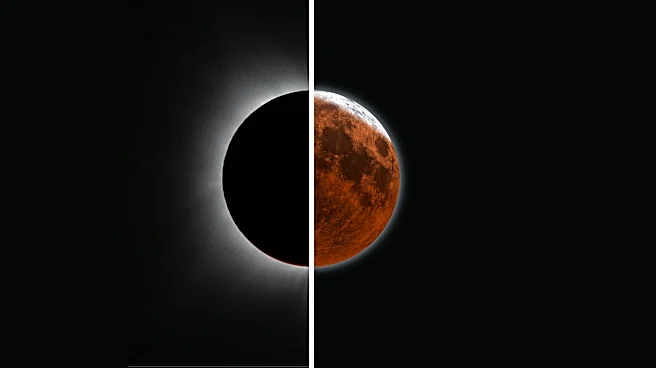
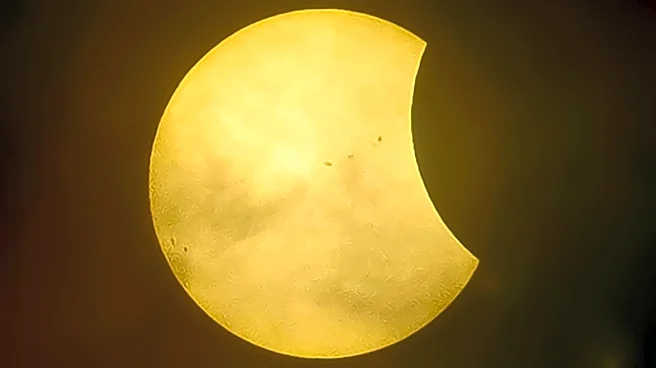
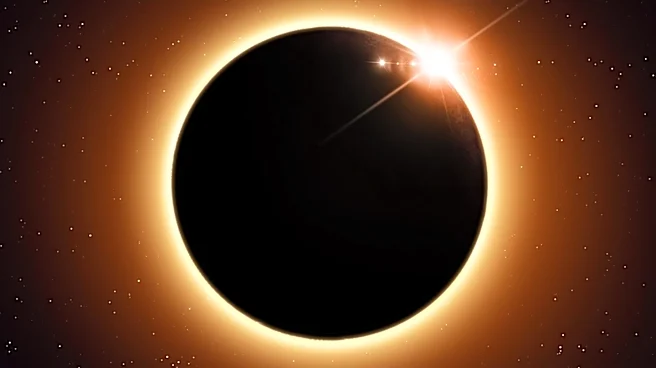
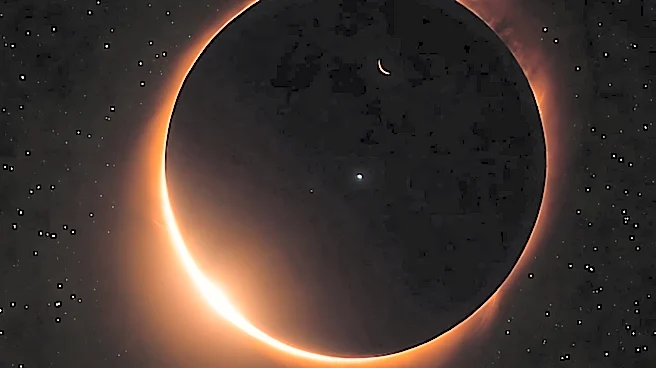
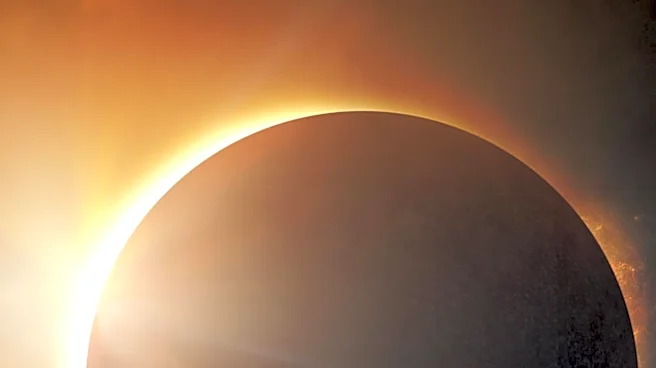
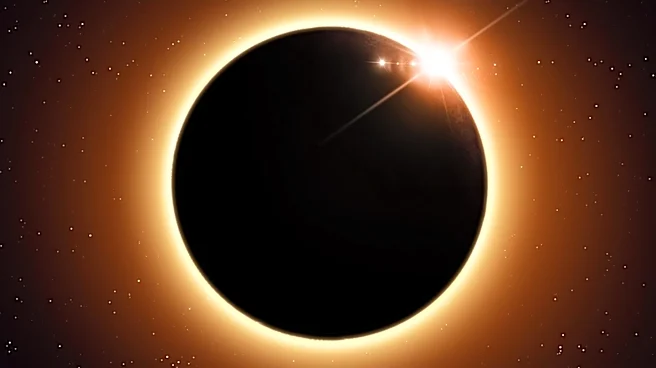
On August 12, mainland Europe will experience its first total solar eclipse in 27 years, with NASA deploying a redesigned instrument to capture the event. The eclipse will sweep from Greenland through Iceland and into Spain, providing a rare opportunity
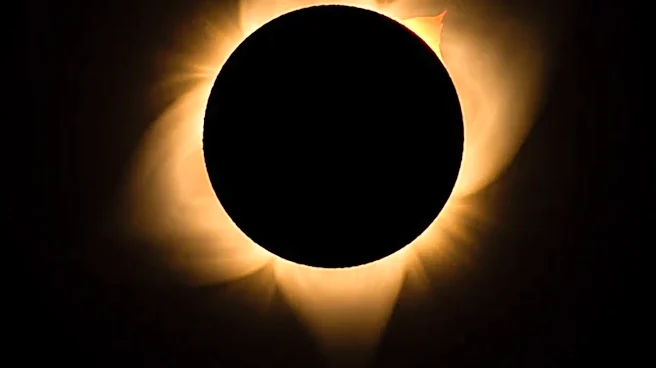
for scientists to study the solar corona directly. NASA's WB-57 research jet will chase the eclipse shadow at high altitude, equipped with cameras that have been adjusted to address previous overexposure issues. This mission aims to advance understanding of the Sun's corona, which burns at temperatures far hotter than its surface.
Why It's Important?
The total solar eclipse offers a unique chance for scientists to study the Sun's corona, which is crucial for understanding solar dynamics and its impact on Earth. The corona's temperature paradox remains one of the major unsolved problems in heliophysics, and the data collected during the eclipse could provide insights into this phenomenon. Additionally, the eclipse coincides with the peak of the Perseid meteor shower, offering a double astronomical event for observers. The findings from this mission could enhance our understanding of solar activity and its effects on satellites and astronauts.