


What's Happening?
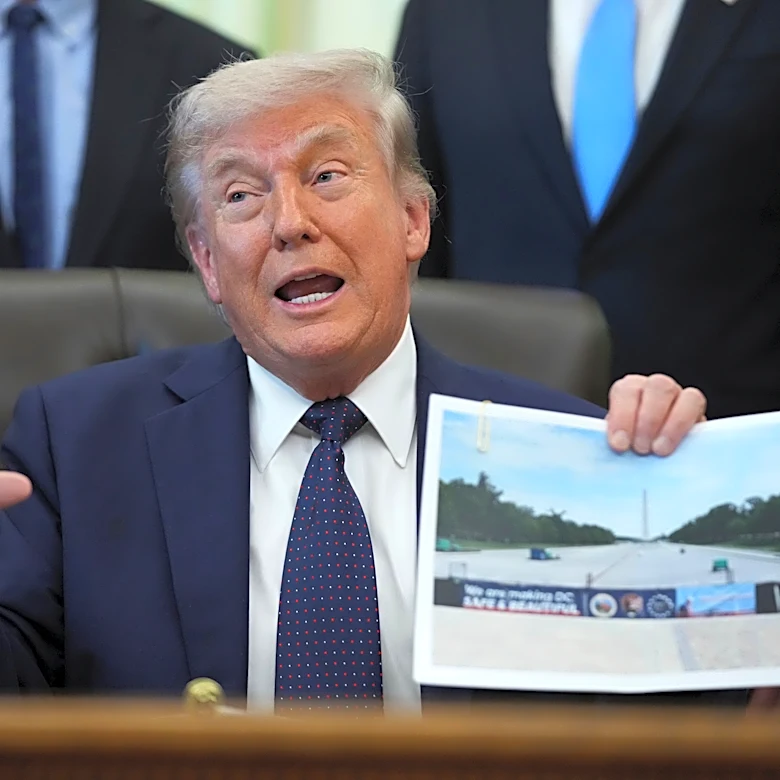
President Trump has directed the U.S. military to 'shoot and kill' small Iranian boats that deploy mines in the Strait of Hormuz. This order follows Iran's recent actions that have disrupted traffic through the strategic waterway, which is crucial for
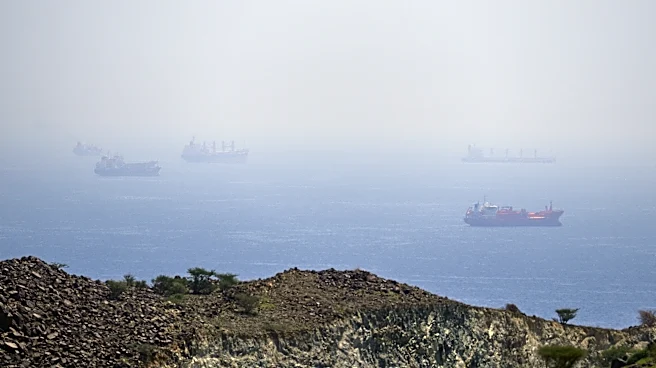
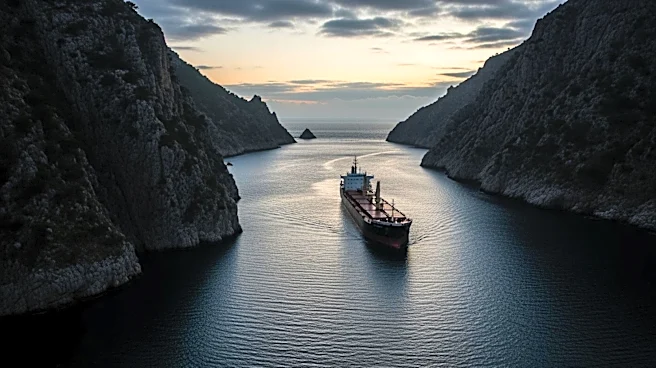
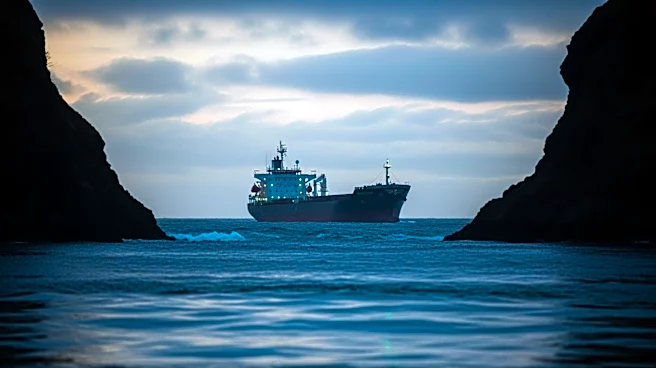
global oil and gas trade. The U.S. military recently seized a tanker involved in smuggling Iranian oil, escalating tensions with Tehran. The Strait of Hormuz is a vital passage for 20% of the world's crude oil and natural gas. Iran's Revolutionary Guards have attacked cargo ships in the strait, capturing two, which has raised concerns about shipping safety. The U.S. has responded by increasing its military presence and operations in the area.
Why It's Important?
The Strait of Hormuz is a critical chokepoint for global energy supplies, and any disruption can have significant economic repercussions worldwide. President Trump's aggressive stance could lead to further escalation with Iran, potentially affecting international oil prices and global economic stability. The U.S. military's actions aim to secure the strait and ensure the free flow of commerce, but they also risk provoking a military confrontation with Iran. The situation underscores the fragile nature of international relations in the region and the potential for conflict to impact global markets.
What's Next?
The ongoing tensions in the Strait of Hormuz are likely to continue as both the U.S. and Iran show no signs of backing down. The U.S. military will likely maintain or increase its presence in the region to deter further Iranian actions. Diplomatic efforts may be pursued to de-escalate the situation, but the potential for military conflict remains high. The international community will be closely monitoring developments, as any significant disruption in the strait could have far-reaching economic consequences.