



What's Happening?
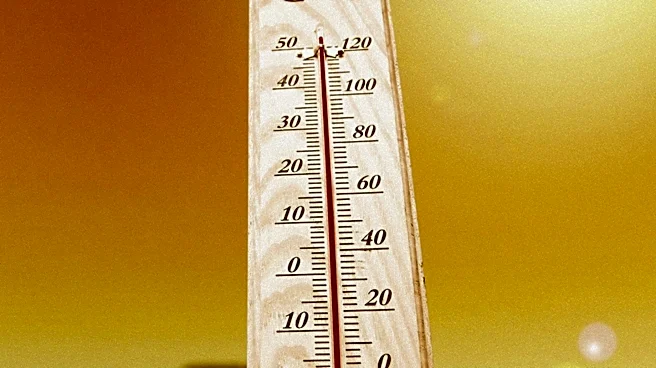
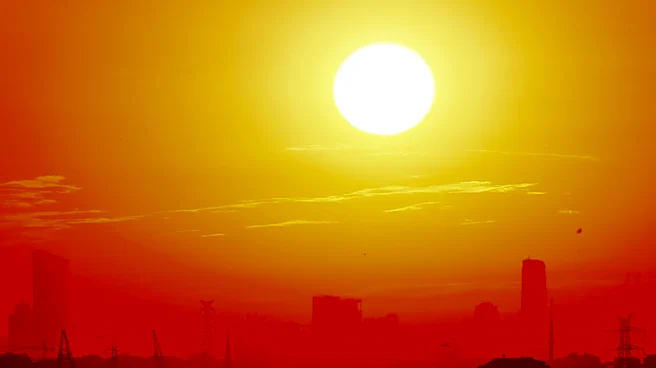
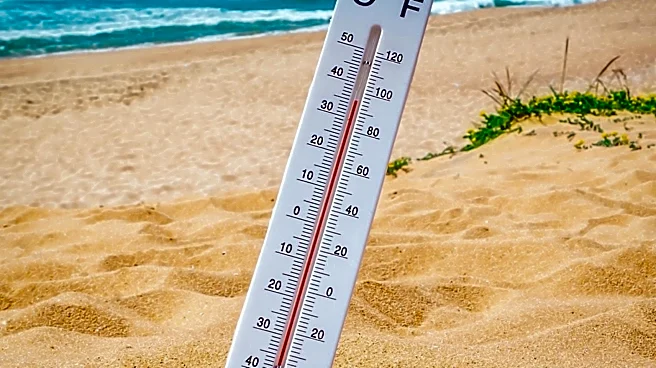
Utah is experiencing a severe heat wave, with temperatures expected to reach over 100 degrees Fahrenheit during the day and remain in the low 80s at night. This heat wave is attributed to a high-pressure system over the Four Corners region, bringing hot
air from the desert southwest. The National Weather Service has issued heat advisories, warning residents of the prolonged high temperatures. The heat is causing concerns about power outages as air conditioning units are heavily used, potentially straining the power grid. Rocky Mountain Power is taking measures to prevent outages and offers rebates on smart thermostats to help manage energy use.
Why It's Important?
The extreme temperatures pose significant health risks, particularly for vulnerable populations such as the elderly and those without access to air conditioning. The strain on the power grid could lead to outages, affecting thousands of residents. The situation highlights the importance of energy management and the role of smart technologies in mitigating the impact of climate extremes. The heat wave also underscores the need for infrastructure resilience in the face of increasingly frequent and severe weather events, likely exacerbated by climate change.
What's Next?
Residents are advised to take precautions, such as staying indoors during peak heat hours and staying hydrated. Rocky Mountain Power continues to monitor the situation and prepare for potential outages. The company encourages the use of smart thermostats and other energy-saving measures to reduce strain on the grid. As the heat wave persists, there may be increased calls for investment in renewable energy and infrastructure improvements to better handle such extreme weather conditions in the future.
Beyond the Headlines
The heat wave in Utah is part of a broader pattern of extreme weather events linked to climate change. It raises questions about the long-term sustainability of current energy systems and the need for adaptation strategies. The situation also highlights the importance of public awareness and education on heat safety and energy conservation. As climate change continues to impact weather patterns, communities will need to develop more robust strategies to cope with these challenges.