


What's Happening?
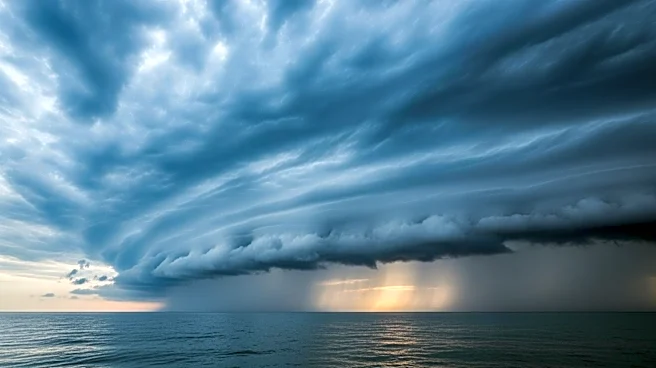
A developing El Niño is expected to significantly impact the Pacific hurricane season, increasing the risk of direct hurricane impacts in Hawaii, Southern California, and parts of Mexico. According to AccuWeather, the Eastern and Central Pacific basins
are projected to produce an above-average number of named storms, hurricanes, and major hurricanes in 2026. The forecast predicts 17 to 22 named storms, nine to 13 hurricanes, and four to eight major hurricanes in the Eastern Pacific, with six to nine direct impacts on Mexico and Central America. The Central Pacific is expected to see four to seven named storms, two to four hurricanes, and one to three major hurricanes, with one to two direct impacts on Hawaii. The presence of El Niño typically reduces disruptive wind shear, allowing for more tropical development and increasing the risk of rapid intensification.
Why It's Important?
The anticipated increase in hurricane activity due to El Niño poses significant risks to regions like Hawaii, Southern California, and Mexico, which could face damaging winds, flooding rains, and storm surges. This heightened activity could lead to increased property damage and economic losses in these areas, affecting local communities and industries. The insurance sector, particularly property insurance, may see a rise in claims, impacting premiums and coverage availability. Additionally, the potential for more frequent and intense storms underscores the need for improved disaster preparedness and response strategies in vulnerable regions.
What's Next?
As the hurricane season progresses, monitoring the development of El Niño will be crucial for forecasting and preparing for potential impacts. Local governments and emergency management agencies in affected areas may need to enhance their readiness plans and communication strategies to mitigate the effects of increased hurricane activity. The insurance industry might also adjust its risk assessments and policy offerings in response to the evolving threat landscape. Continued research and analysis by meteorological organizations will be essential to provide accurate forecasts and inform public safety measures.