




What's Happening?
A high school student, Tony Reed Jr., tragically died after falling from an abandoned rock crushing tower in Joliet, Illinois. The incident occurred while Reed was exploring the 1917-built structure with friends. The building, which was part of the old
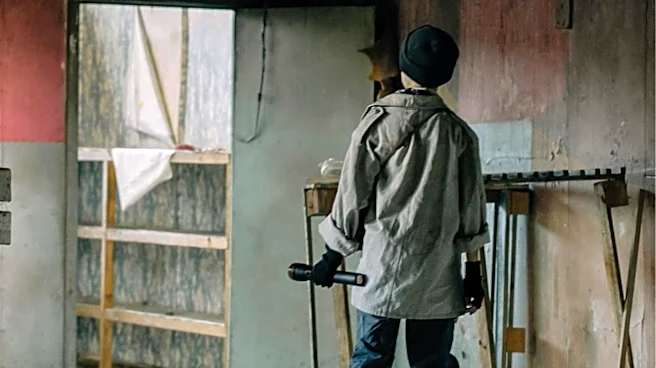
Joliet Penitentiary's limestone operations, has been abandoned for over six decades. An 'urban explorer' named Adam, who has visited the site multiple times, described the floors as rusted and unstable, feeling like 'bouncy sheet metal.' Access to the building is reportedly not difficult despite one side being walled off. Reed's family expressed their heartbreak over the unexpected loss. The City of Joliet has deferred questions about the building's status to the police department, and the Illinois Department of Corrections has not yet responded to inquiries. Joliet police are currently investigating the circumstances surrounding Reed's death, having spoken with his friends who were present.
Why It's Important?
This tragic incident highlights significant safety concerns surrounding abandoned structures, particularly their appeal to young 'urban explorers.' The death of Tony Reed Jr. underscores the inherent dangers of trespassing in derelict buildings, which often have compromised structural integrity, rusted components, and unstable floors. The Department of Labor's data, indicating approximately 300 recreational trespasser deaths at abandoned mine and quarry properties over the last decade—with half of the victims aged 15 to 25—further emphasizes the widespread nature of this issue. This event could prompt increased scrutiny and calls for action from local authorities in Joliet and potentially other municipalities to secure such hazardous sites more effectively. It also brings attention to the 'Stay Out, Stay Alive' mine safety campaign, suggesting a need for broader public awareness regarding the risks associated with exploring abandoned industrial sites.
What's Next?
Joliet police are continuing their investigation into the circumstances of Tony Reed Jr.'s death, aiming to piece together an accurate picture of what transpired. This investigation may lead to further details regarding the accessibility of the abandoned tower and any potential negligence. The incident could also spur local officials in Joliet to re-evaluate the security measures around the former Joliet Penitentiary site and other abandoned properties in the area. There may be increased pressure from the community and Reed's family for the City of Joliet and the Illinois Department of Corrections to address the long-term status and safety of the building. This could involve more robust fencing, demolition, or clearer signage to deter trespassers. Furthermore, the tragedy might prompt schools and community organizations to launch or reinforce educational campaigns about the dangers of urban exploration and trespassing.
Beyond the Headlines
The death of Tony Reed Jr. extends beyond a singular tragic event, touching upon broader societal issues related to urban decay, youth culture, and public safety. The allure of 'urban exploration' for young people, often driven by curiosity, a desire for unique experiences, or social media trends, clashes with the very real dangers posed by neglected infrastructure. This incident could spark a wider conversation about the responsibilities of property owners, both public and private, in securing hazardous abandoned sites. It also raises ethical questions about the role of social media in popularizing such activities and the potential for communities to transform these dangerous spaces into safer, more productive areas, or at least to ensure they are inaccessible. The long-term implications could include policy changes regarding the management of abandoned industrial sites and increased community engagement to provide safer recreational alternatives for youth.