





What's Happening?
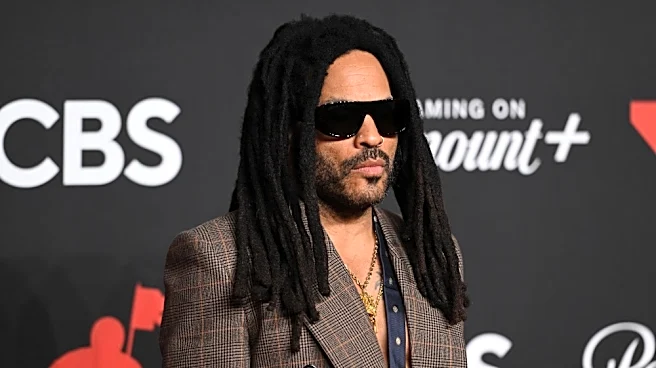
A claim circulating on social media platform X on November 1, 2026, suggested that recording artist Bad Bunny, whose real name is Benito Martínez Ocasio, was aboard a Learjet that crashed in Greenacres, Florida. This claim stated that the jet belonged
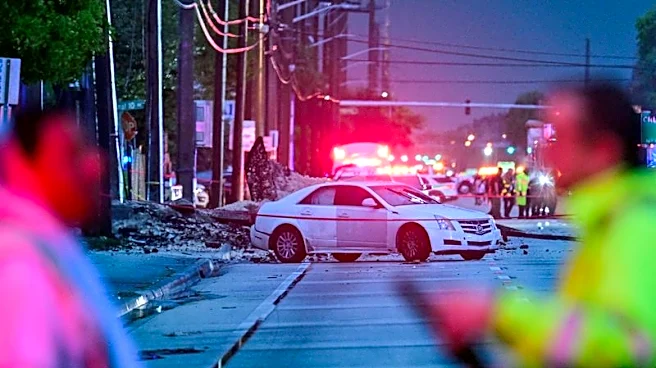
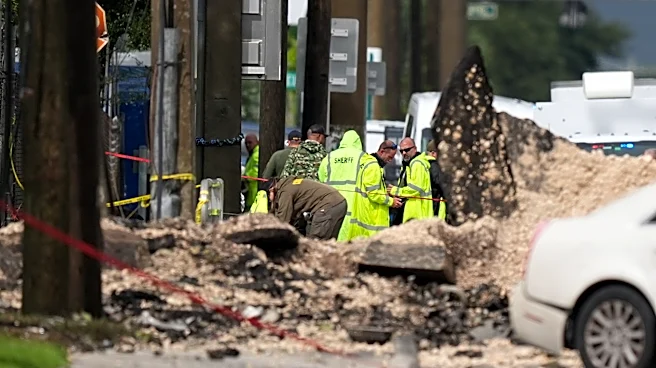
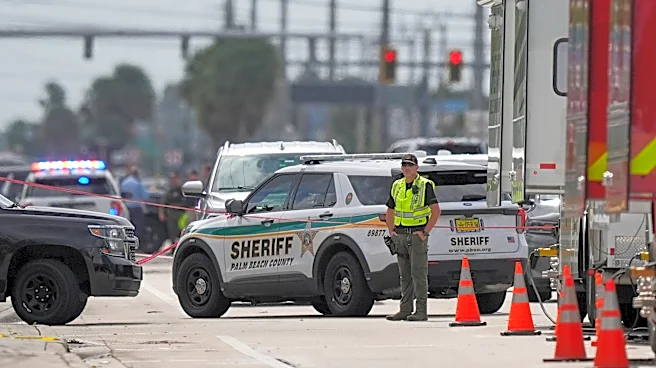
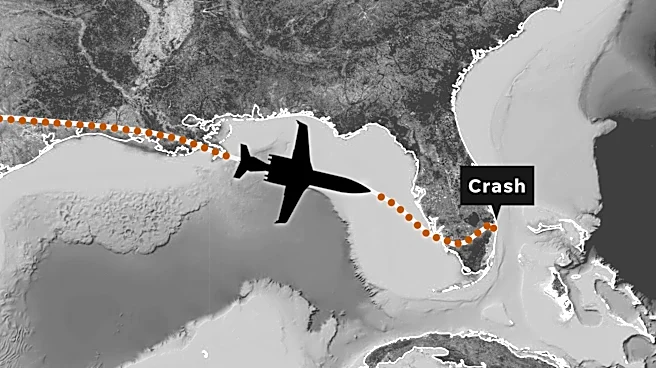
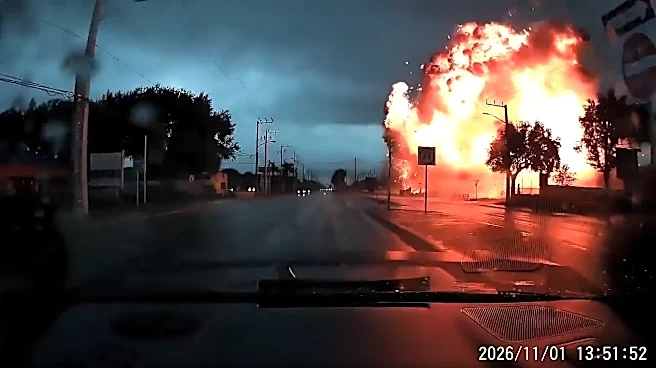
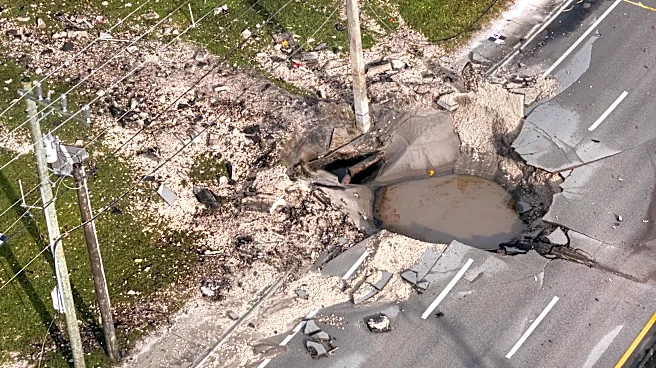
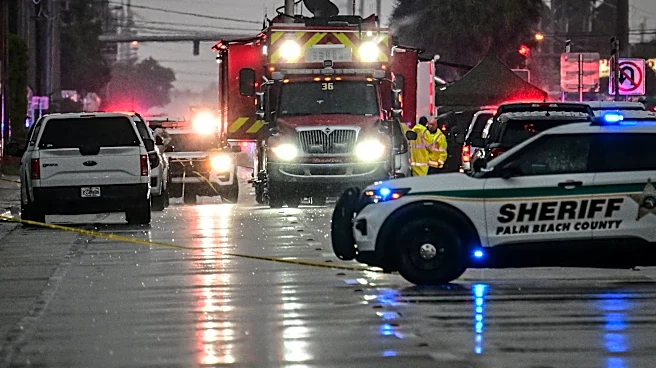
to him and that he, his partner, and two pilots were on board. However, Lead Stories conducted a fact check and found no reports from established news outlets confirming Bad Bunny's presence on the aircraft. The Learjet crashed on November 1, 2026, killing all nine people aboard, including a family with two young children. The National Transportation Safety Board is investigating the crash, focusing on weather conditions, crew actions, and potential mechanical problems, as the pilot reported accumulating ice and severe turbulence before declaring an emergency.
Why It's Important?
The rapid spread of misinformation, such as the false claim about Bad Bunny's involvement in the plane crash, highlights the significant challenges posed by social media in disseminating accurate news. In an era where unverified information can quickly go viral, the importance of fact-checking and relying on established news outlets becomes critical. This incident underscores how public figures can become subjects of false rumors, potentially causing distress to their fans and families. For the public, it emphasizes the need for media literacy and critical evaluation of information, especially during sensitive events like tragic accidents. The focus should remain on the actual victims and the ongoing investigation by authorities like the National Transportation Safety Board.
What's Next?
The National Transportation Safety Board will continue its investigation into the Learjet crash, examining all factors that may have contributed to the accident, including weather conditions, crew actions, and mechanical issues. The official identification of all nine victims has been completed, and their names have been reported by established news outlets. For the public, the incident serves as a reminder to verify information from credible sources before sharing, especially concerning sensitive topics. Social media platforms may face ongoing pressure to implement more robust mechanisms for identifying and flagging misinformation to prevent similar incidents in the future.
Beyond the Headlines
This event underscores the broader societal impact of misinformation, particularly when it involves public figures and tragic events. The speed at which unverified claims can spread on platforms like X can erode public trust in information sources and create unnecessary emotional distress. It also highlights the ethical responsibility of individuals and platforms to ensure the accuracy of shared content. The incident could prompt further discussions on the role of social media in crisis communication and the need for clearer guidelines or tools to combat the rapid dissemination of false narratives, especially when human lives are involved. The focus on the actual victims and the integrity of the investigation is paramount.