




What's Happening?
The United Nations Development Programme (UNDP) chief, Alexander De Croo, has warned that the ongoing conflict involving Iran is set to push more than 30 million people back into poverty. The war has disrupted critical supply chains, particularly affecting
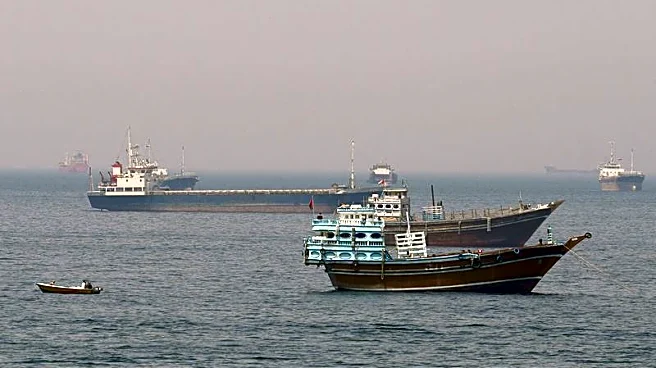
the availability of fertilizers and fuel, which are essential for agricultural productivity. The blockade of cargo vessels through the Strait of Hormuz has exacerbated these shortages, leading to a predicted decline in crop yields. This situation is expected to peak food insecurity levels in the coming months. The conflict has also resulted in energy shortages and a decrease in remittances, further compounding the economic challenges faced by vulnerable populations.
Why It's Important?
The implications of the Iran conflict are significant, as they threaten to destabilize global food security and economic stability. The Middle East is a major producer of fertilizers, and disruptions in this region can have far-reaching effects on global agriculture. The anticipated decline in crop yields could lead to increased food prices, disproportionately affecting the world's poorest communities. Additionally, the economic fallout from the conflict is estimated to have already reduced global GDP by 0.5% to 0.8%. This situation highlights the interconnectedness of global supply chains and the potential for regional conflicts to have widespread humanitarian and economic impacts.
What's Next?
The continuation of the conflict could lead to further deterioration of global economic conditions and exacerbate humanitarian crises in regions already facing severe challenges. International organizations may need to increase their efforts to provide aid and support to affected populations. However, funding constraints and rising needs could limit the effectiveness of these interventions. The situation calls for urgent diplomatic efforts to resolve the conflict and stabilize the region to prevent further economic and humanitarian fallout.