







What's Happening?
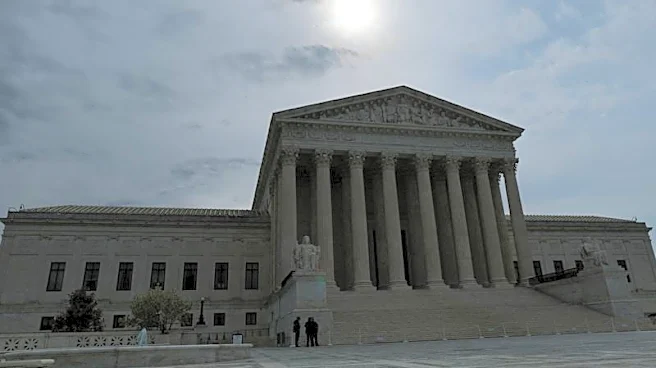
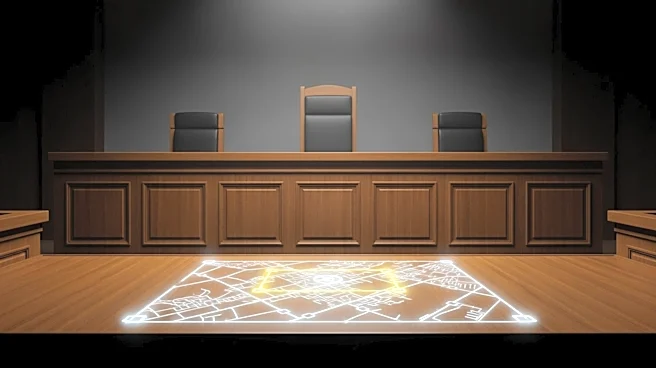
The U.S. Supreme Court is evaluating the use of geofence warrants in the case of Chatrie v. United States, which involves the use of location data from Google to solve a 2019 bank robbery. The court is examining whether these warrants, which allow law
enforcement to access location data from tech companies, violate the Fourth Amendment's protection against unreasonable searches. The justices are considering the balance between privacy rights and law enforcement needs, with some expressing concerns about the broad scope of geofence warrants and their potential to infringe on individual privacy.
Why It's Important?
The decision in this case could have significant implications for digital privacy and law enforcement practices in the U.S. A ruling against geofence warrants could restrict law enforcement's ability to use digital data in investigations, potentially impacting crime-solving capabilities. Conversely, a ruling in favor of geofence warrants could set a precedent for broader use of digital data, raising concerns about privacy and potential overreach. The case highlights the ongoing debate over the balance between security and privacy in the digital age.
What's Next?
The Supreme Court is expected to issue a decision later this year. Depending on the ruling, there could be changes in how law enforcement agencies request and use digital data in investigations. The case may also prompt legislative action to address privacy concerns and establish clearer guidelines for the use of digital data in law enforcement. Stakeholders, including privacy advocates and law enforcement agencies, will be closely monitoring the outcome and its implications for digital privacy and security.