








What's Happening?
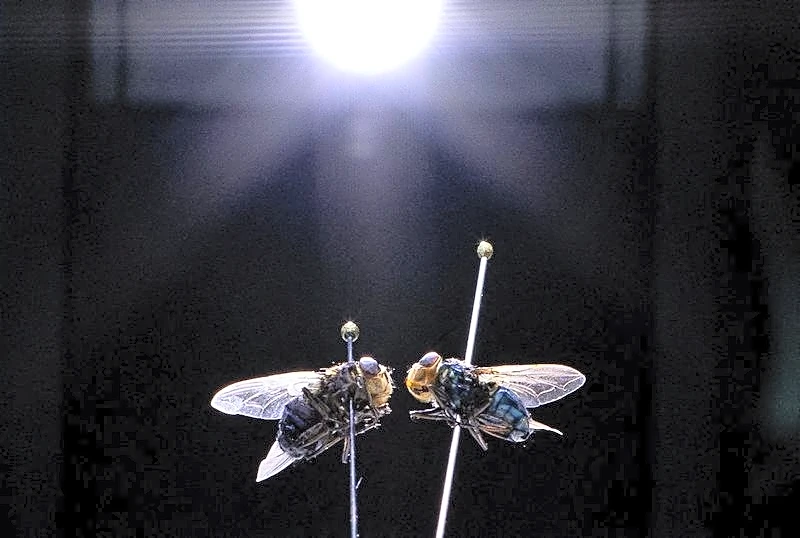
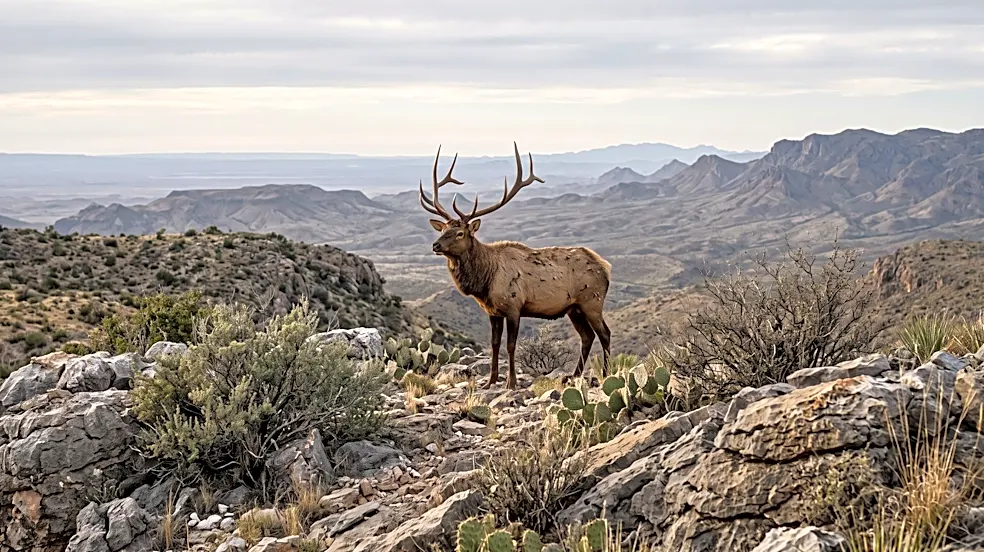
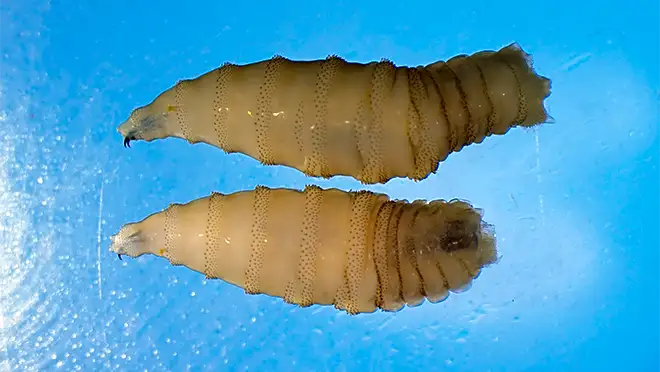
Texas authorities are calling on hunters and ranchers to assist in the fight against the New World screwworm, a flesh-eating parasite, after its detection in an elk in Pecos County, western Texas. This discovery marks the first confirmed U.S. wildlife
case in the current outbreak. The U.S. Department of Agriculture (USDA) and the Texas Parks and Wildlife Department (TPWD) are conducting enhanced wildlife surveillance, and the Texas Animal Health Commission is modifying an existing infested zone. Hunters are encouraged to inspect harvested animals for signs of the parasite, such as visible maggots in wounds, foul-smelling injuries, or distressed behavior, and to report any suspicious findings promptly. New Mexico authorities also reported screwworm in a beef cow and established an infested zone, requiring inspection and treatment of animals before movement. The New World screwworm was previously eradicated from the U.S. decades ago but has been moving north through Central America and Mexico.
Why It's Important?
The re-emergence and spread of the New World screwworm pose a significant threat to animal health and meat production in the U.S. While the USDA states it does not affect food safety, the parasite can harm livestock and wildlife, potentially leading to economic losses for ranchers and the agricultural industry. The previous halt on livestock imports from Mexico due to screwworm last year strained cattle supply and contributed to record-high beef prices, demonstrating the economic vulnerability. The involvement of hunters and ranchers is crucial for early detection and containment, as they are often the first to encounter affected wildlife. This collaborative effort aims to prevent a wider outbreak that could severely impact the U.S. beef supply chain and the livelihoods of those in the agricultural sector.
What's Next?
The USDA and TPWD will continue wildlife surveillance, and the Texas Animal Health Commission will adjust infested zones as needed. Hunters and ranchers are expected to remain vigilant and report any signs of the parasite. The National Cattlemen's Beef Association is collaborating with state partners and federal agencies on eradication efforts, including expanded fly surveillance, cattle treatments, and sterile-fly releases. The success of these measures will determine the extent of the parasite's spread and its long-term impact on U.S. livestock and wildlife. Continued monitoring and rapid response are critical to prevent a more widespread and costly infestation.
Beyond the Headlines
The re-establishment of the New World screwworm in the U.S. highlights the ongoing challenges of managing transboundary animal diseases and the interconnectedness of ecosystems across national borders. The parasite's northward movement underscores the potential for climate change and environmental shifts to influence the geographic range of disease vectors. This situation also emphasizes the vital role of citizen science and community involvement, as hunters and ranchers are acting as frontline observers in public health and agricultural defense. The economic implications extend beyond direct livestock losses, potentially affecting international trade relations and consumer prices for meat products, making effective containment a complex issue with broad societal and economic ramifications.