

What's Happening?
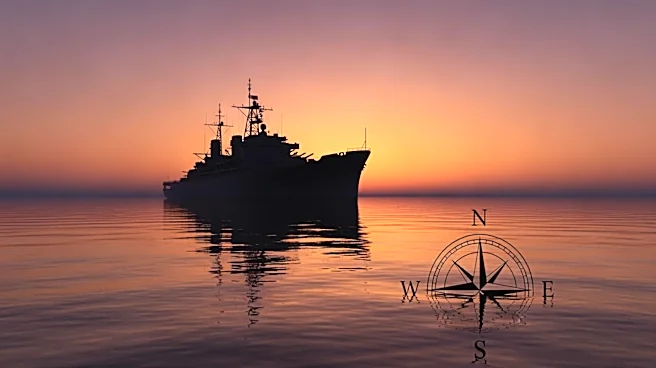
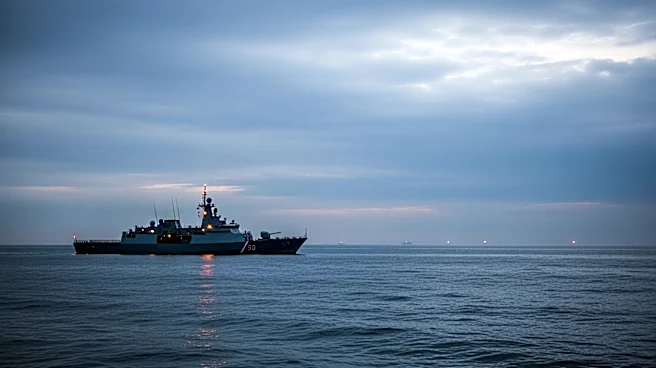
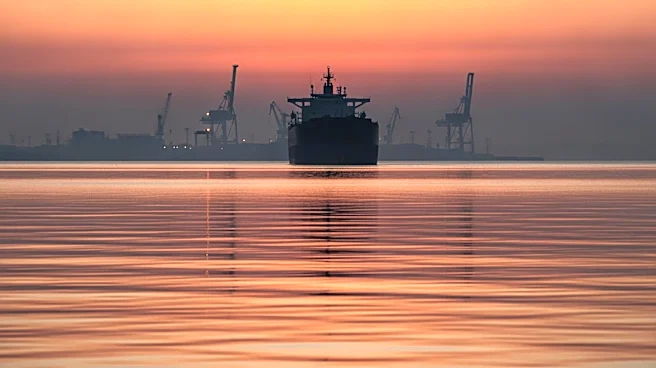
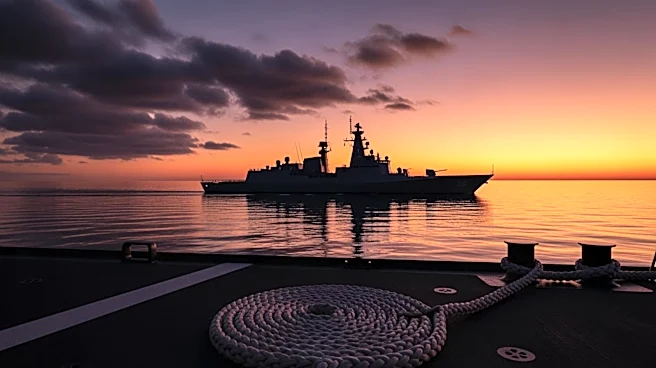
The United States, under the directive of President Trump, is set to enforce a maritime blockade in the Strait of Hormuz starting Monday morning. This decision follows the breakdown of negotiations between the US and Iran. The US Central Command (CENTCOM)
announced that the blockade will be applied impartially to vessels entering or leaving Iranian ports, while those transitioning to non-Iranian ports will not be affected. The move comes after accusations from President Trump that Iran has placed mines in the Strait, a claim he says is unverified by others. The US plans to destroy these mines and has warned that any hostile actions from Iran will be met with force. The blockade is part of a broader strategy involving other countries, although specific allies have not been named.
Why It's Important?
The enforcement of a blockade in the Strait of Hormuz is significant due to the strategic importance of this waterway, through which a substantial portion of the world's oil supply is transported. The blockade could escalate tensions in the region, potentially disrupting global oil markets and affecting international relations. The US's decision reflects ongoing geopolitical struggles with Iran, particularly concerning nuclear ambitions and regional influence. The move could lead to increased military presence and potential confrontations, impacting global security and economic stability. Stakeholders in the oil industry, international shipping, and global markets are likely to be affected by any disruptions in the Strait.
What's Next?
The immediate next steps involve the US Navy implementing the blockade and monitoring the situation for any Iranian response. The international community will be watching closely, as any escalation could lead to broader conflict. Diplomatic efforts may be pursued to de-escalate tensions, but the current stance suggests a hardline approach from the US. Iran's reaction, both diplomatically and militarily, will be crucial in determining the future of the region's stability. The involvement of other countries in the blockade could also influence international alliances and diplomatic relations.
Beyond the Headlines
The blockade raises questions about international maritime law and the rights of passage in international waters. It also highlights the complexities of US-Iran relations, which have been fraught with tension over nuclear capabilities and regional dominance. The situation underscores the challenges of balancing military action with diplomatic negotiations. Long-term implications could include shifts in global energy strategies, as countries may seek to reduce dependency on oil transported through the Strait. Additionally, the blockade could influence domestic politics in both the US and Iran, affecting public opinion and policy decisions.