
What's Happening?
Scientists have raised concerns about the impact of microplastics on the ocean's ability to absorb carbon dioxide, a critical process for regulating Earth's temperature. Microplastics, tiny plastic particles
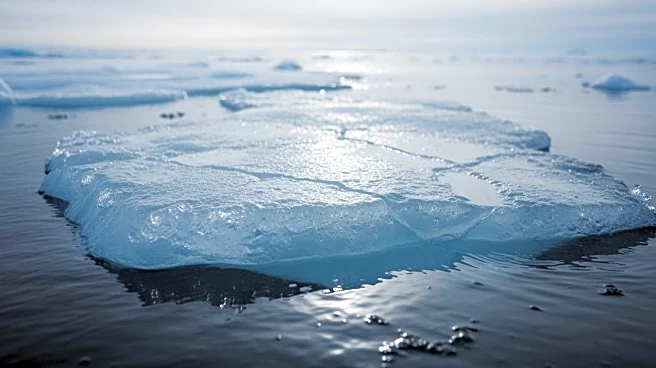
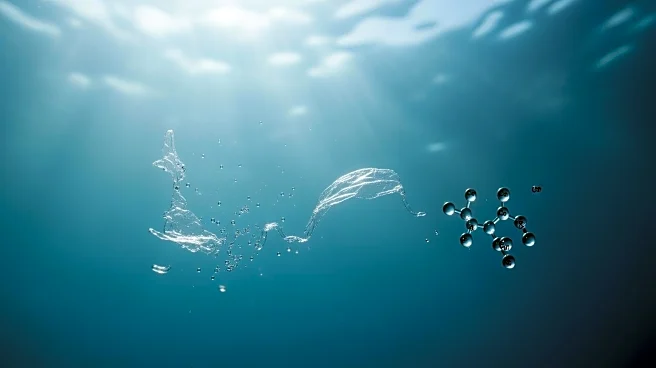
less than five millimeters in size, have been found in various environments, including deep ocean waters and Arctic ice. These particles carry toxic substances that harm wildlife and ecosystems. The study, published in the Journal of Hazardous Materials, highlights how microplastics disrupt the ocean's 'biological carbon pump,' a natural process that transfers carbon from the atmosphere into the deep sea. This disruption is caused by microplastics affecting phytoplankton photosynthesis and zooplankton metabolism. The research emphasizes the need for urgent global action to address this emerging threat.
Why It's Important?
The findings underscore the intersection of plastic pollution and climate change, two major environmental challenges. Microplastics not only harm marine life but also weaken the ocean's role as Earth's largest carbon sink. This has significant implications for global warming, as the ocean's reduced capacity to absorb carbon dioxide could accelerate climate change. The study calls for coordinated global efforts to tackle plastic pollution, which is now seen as part of the fight against climate change. Addressing this issue is crucial for maintaining ocean health, food security, and the stability of coastal communities worldwide.
What's Next?
The researchers advocate for future studies to explore the interactions between microplastics and climate dynamics. They suggest that a better understanding of these links could lead to more effective strategies for reducing plastic pollution and mitigating its impact on climate change. The study also recommends using AI-driven monitoring tools and developing new materials to reduce plastic waste. Policymakers are urged to consider the long-term effects of microplastics and to integrate plastic pollution and climate change efforts into a unified approach.
Beyond the Headlines
The study highlights the need for a shift in research and policymaking perspectives to address the ecological and economic impacts of microplastics. It calls for a reevaluation of how plastics are represented within the Sustainable Development Goals, suggesting that a single indicator may not capture the widespread risks posed by microplastics. The research also points to the potential for microplastics to contribute to ocean warming and acidification, further emphasizing the need for comprehensive global action.