






What's Happening?
Syria and the International Centre for Migration Policy Development (ICMPD) have engaged in discussions aimed at enhancing cooperation on migration and refugee issues. The talks, held in Damascus, involved Nahla Othman, director of the Expatriates and Refugees
Department at the Ministry of Foreign Affairs and Expatriates, and ICMPD Director Susanne Raab. The primary focus of these discussions was to align international assistance with Syria’s national priorities and needs, and to leverage the expertise of Syrian expatriates to support the country's recovery efforts. Both parties emphasized the importance of connecting the skills and knowledge of Syrians living abroad with Syria's development goals and labor market demands. Additionally, they explored strengthening cooperation in economic diplomacy to foster partnerships and encourage contributions from expatriates towards Syria's rebuilding.
Why It's Important?
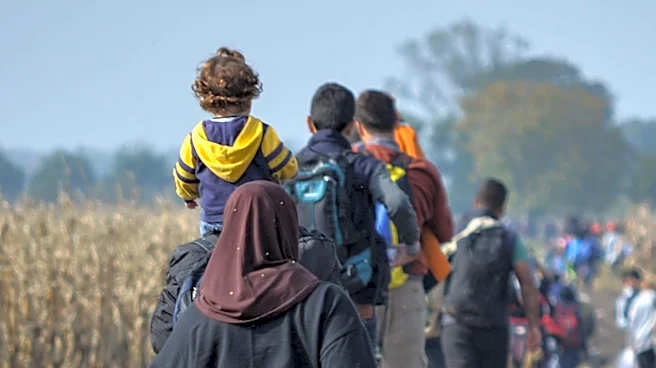
This collaboration is significant for Syria's post-conflict recovery, as it seeks to address the complex challenges of migration and refugee returns while harnessing the potential of its diaspora. With millions of Syrians displaced globally, integrating their skills and financial contributions is crucial for economic revitalization and social cohesion. The discussions with ICMPD, an international organization specializing in migration, suggest a strategic approach by the Syrian government to manage migration flows and facilitate the return of its citizens. By aligning international assistance with national priorities, Syria aims to ensure that aid is effectively utilized for long-term development rather than short-term relief. The emphasis on economic diplomacy also indicates a push to attract foreign investment and foster international partnerships, which are vital for rebuilding infrastructure and stimulating economic growth in a country heavily impacted by years of conflict.
What's Next?
The discussions between Syria and ICMPD are expected to lead to concrete policies and programs aimed at improving migration management and facilitating the engagement of Syrian expatriates in national recovery. Future steps may include developing specific initiatives to connect skilled expatriates with job opportunities in Syria, creating mechanisms for financial contributions from the diaspora, and implementing programs to support the reintegration of returning refugees. The collaboration could also involve sharing best practices from ICMPD's experience in other countries to refine Syria's migration and refugee policies. The success of these efforts will depend on the ability of the Syrian government to create a stable and attractive environment for both returning citizens and international partners, ensuring that the expertise and resources of the diaspora are effectively utilized for sustainable development.
Beyond the Headlines
Beyond the immediate goals of migration cooperation and recovery, this initiative has deeper implications for Syria's international standing and its long-term stability. Engaging with an organization like ICMPD could signal a move towards greater international cooperation and adherence to global migration standards, potentially improving Syria's diplomatic relations. The successful integration of expatriates could also foster a sense of national unity and shared purpose, crucial for healing the divisions caused by years of conflict. However, challenges remain, including ensuring the safety and rights of returning refugees, addressing the humanitarian needs of the population, and overcoming the lasting effects of sanctions and conflict on the country's reputation. The effectiveness of economic diplomacy will also hinge on the government's ability to create a transparent and secure investment climate, which is essential for attracting significant expatriate contributions and international partnerships.