
What's Happening?
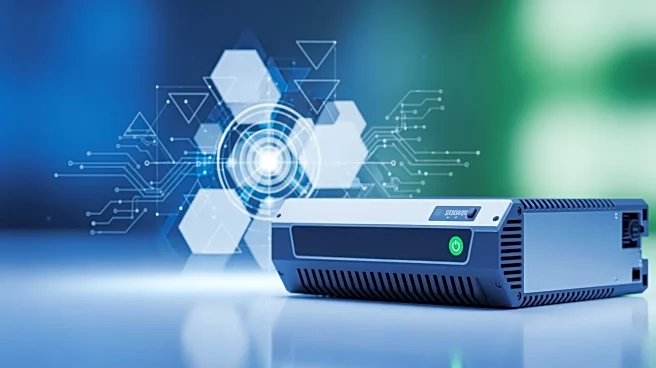
The European Solar Manufacturing Council (ESMC) has endorsed the European Commission's new Economic Security Doctrine, which identifies Chinese-manufactured solar inverters as a high-risk dependency. The doctrine
highlights the risks associated with supplier concentration, potential cyber manipulation, and access to critical grid operational data. It proposes measures such as coordinated cyber-risk assessments, certification under the Cyber Resilience Act, and the application of non-price resilience criteria under the Net-Zero Industry Act (NZIA). ESMC supports this strategic shift, noting that approximately 80% of new photovoltaic installations in Europe rely on Chinese inverters, creating systemic cybersecurity risks. The Council advocates for the development of trusted suppliers within the EU and trusted third countries to reduce dependencies and mitigate cyber risks.
Why It's Important?
This development is significant as it addresses the cybersecurity vulnerabilities in Europe's renewable energy infrastructure, which heavily relies on Chinese technology. By reducing dependency on Chinese solar inverters, the EU aims to enhance its energy security and strategic autonomy. The initiative could lead to increased investment in European manufacturing capabilities, fostering a more resilient and secure energy ecosystem. This move also aligns with broader geopolitical strategies to reduce reliance on non-EU suppliers, potentially impacting global trade dynamics in the renewable energy sector. The focus on cybersecurity and supply chain resilience is crucial for maintaining the stability and reliability of Europe's power systems.
What's Next?
The ESMC plans to establish an EU-level whitelist of trustworthy inverter vendors based on cybersecurity and jurisdictional risk criteria. This list will be integrated into various EU frameworks, allowing member states to deny grid connections to hardware from high-risk vendors. The Council also aims to apply NZIA support schemes to incentivize secure inverter choices and enforce the Foreign Subsidies Regulation to counter distortive subsidized imports. The ESMC has launched the 'Inverter, Storage and Energy Management Systems Forum' to promote a resilient and competitive ecosystem of energy technologies. This forum will engage with EU and national authorities to develop industry positions and contribute to ongoing EU initiatives.
Beyond the Headlines
The ESMC's support for the EU's economic security doctrine reflects a broader trend towards enhancing cybersecurity and reducing supply chain dependencies in critical infrastructure sectors. This initiative could set a precedent for other regions facing similar challenges with foreign technology dependencies. The focus on developing a secure and transparent energy system underscores the importance of trust and accountability in managing critical infrastructure. As the EU implements these measures, it may influence global standards for cybersecurity and supply chain resilience in the renewable energy sector, potentially leading to a shift in how countries approach energy security and technological sovereignty.