






What's Happening?
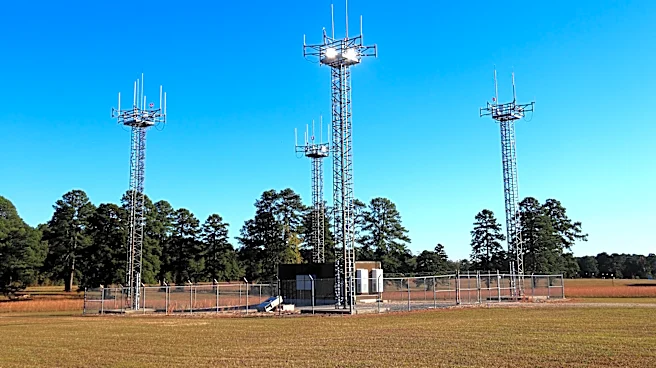
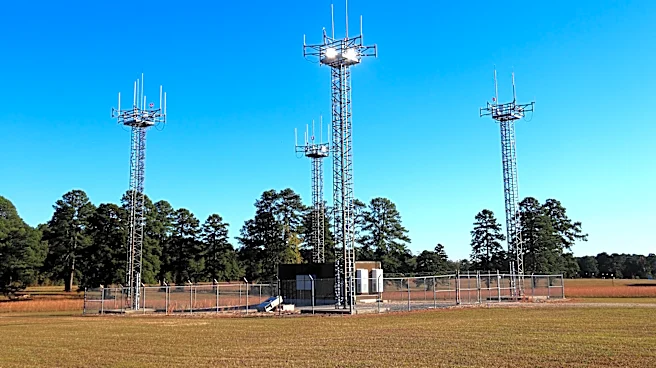
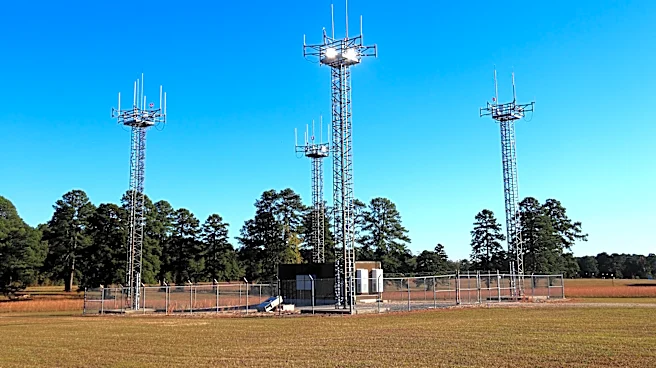
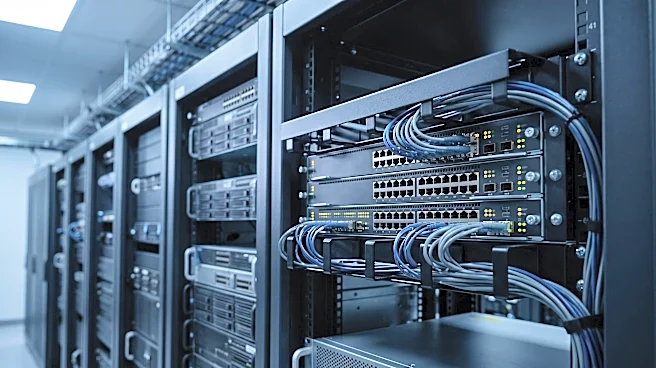
The Federal Aviation Administration (FAA) has paused the installation of new Juniper routers following a nationwide ground stop on November 13, 2026. The incident occurred when a new router, installed by a contractor crew from L3Harris at a radio communications
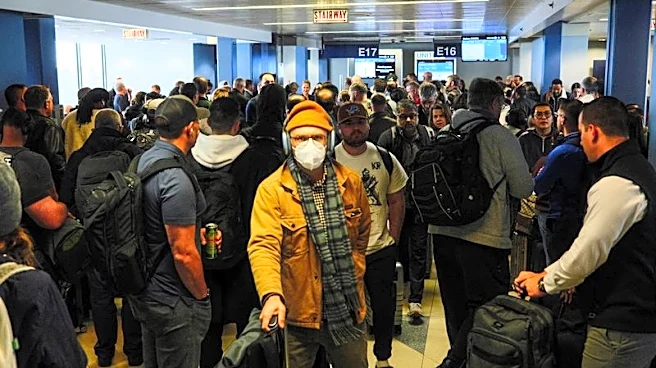
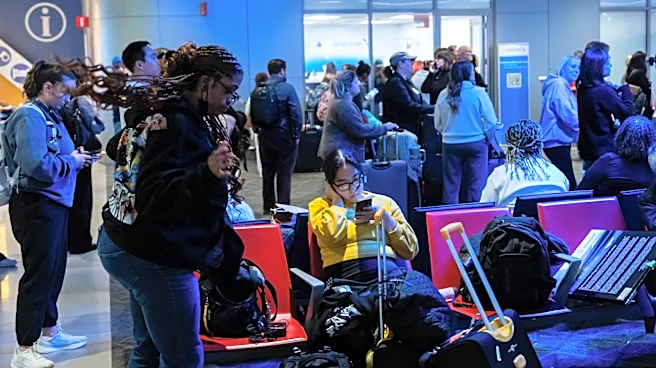
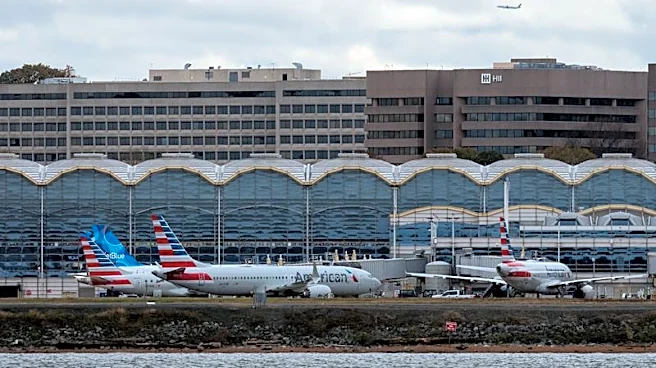
site in El Dorado, Arkansas, flooded the FAA’s telecommunications network with data. This led to instability in radar and radio feeds at 17 of 22 Air Route Traffic Control Centers. The data surge, estimated at 1,000 connection attempts every four to five seconds, overwhelmed the agency's older equipment. A nationwide ground stop was ordered at 3:54 p.m. Eastern, lasting until 8:15 p.m. that night. Approximately 18,000 flights were canceled from Friday through Sunday due to the disruption. The FAA has since disabled the 'broadcasting function' on the new routers as a precaution and is investigating the root cause, with FBI agents involved in examining the router.
Why It's Important?
This incident highlights critical vulnerabilities within the U.S. air traffic control system, particularly concerning the integration of new technology with aging infrastructure. The widespread flight cancellations underscore the significant economic and logistical impact that even a localized technical malfunction can have on national air travel. The FAA's reliance on a legacy Time-Division Multiplexing (TDM) system, which is decades old, creates a complex challenge when introducing modern packet-based network equipment. This 'legacy skills gap,' where expertise in older systems is diminishing while new technologies are implemented, poses a substantial risk to critical national infrastructure. The event also raises questions about the oversight of contracted work and the involvement of internal FAA technicians in such crucial upgrades, as the union for FAA technicians, PASS, stated its members were not involved in the upgrade work. The disruption affects not only the aviation industry but also businesses and individuals dependent on air travel, emphasizing the need for robust and seamlessly integrated technological upgrades.
What's Next?
The FAA will reevaluate its procedures for installing new equipment, particularly regarding maintenance schedules and the involvement of its own technicians. The suspect router is currently being examined by FAA staff and FBI agents at an L3Harris lab in Florida to determine the exact cause of the data flood. Juniper, the manufacturer, maintains that the router appeared to function as intended. The FAA has stated there is no indication of a cyberattack, but the investigation is ongoing. The agency will continue its years-long transition away from older copper-based TDM systems, a modernization project that is not expected to be completed for another 10 to 13 years. Companies and organizations with similar legacy infrastructure are advised to assess their own systems, identify potential points of failure where new and old technologies intersect, and ensure they have personnel with expertise in both older and newer networking technologies.
Beyond the Headlines
The FAA ground stop exposes a broader systemic issue prevalent across many industries: the challenge of modernizing critical infrastructure built on decades-old technology. The 'legacy skills gap' is a significant concern, as experienced professionals who understand older systems are retiring faster than new talent is being trained in these specific areas. This creates a reliance on contractors and a potential disconnect between the design of new systems and the operational realities of existing ones. The incident also highlights the ethical and practical implications of outsourcing critical infrastructure upgrades, particularly when internal expertise is not fully utilized. The FAA's situation serves as a stark reminder for any organization managing complex, long-lived networks to proactively identify and address vulnerabilities arising from technological transitions, emphasizing the need for comprehensive testing, skilled personnel, and clear ownership of network components, regardless of vendor involvement.