






What's Happening?
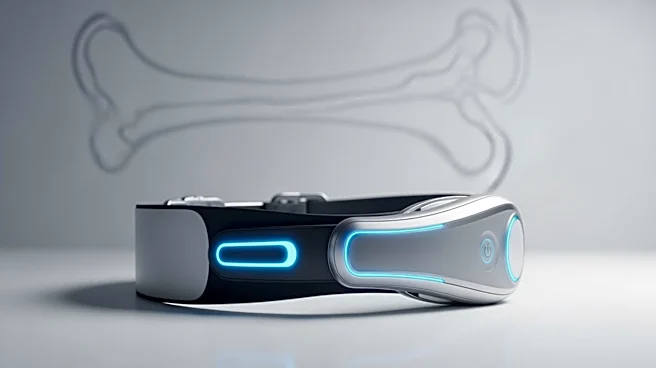
The Osteoboost belt, a device approved by the Food and Drug Administration (FDA) in 2024, is gaining attention for its potential to reduce bone density loss in post-menopausal women with osteopenia. This wearable device delivers low-magnitude vibrations
to the spine and hips, mimicking the effects of exercise by stimulating bone-building cells known as osteoblasts. A recent randomized, double-blind, controlled trial involving 126 women aged 50 and older demonstrated that those using the Osteoboost belt experienced significantly less bone strength loss in the spine over a 12-month period compared to a placebo group. The trial reported an 83% reduction in bone strength loss among users of the device. Despite these promising results, some scientists have expressed concerns about the study's conclusions, arguing that the device's localized treatment may not address the systemic nature of osteopenia.
Why It's Important?
The development and approval of the Osteoboost belt represent a significant advancement in the management of osteopenia, a condition affecting over 40 million adults in the United States. By potentially reducing bone density loss, the device could help prevent the progression to osteoporosis, a more severe condition that increases the risk of fractures. This is particularly important for post-menopausal women, who are at higher risk for bone density loss due to hormonal changes. The device offers a non-invasive, drug-free option that could complement existing bone health strategies, such as weight-bearing exercises and dietary adjustments. However, the cost of the device, which is not covered by insurance, may limit accessibility for some individuals.
What's Next?
Further research is needed to fully understand the long-term benefits and limitations of the Osteoboost belt. While the initial trial results are promising, additional studies are required to determine whether the device can effectively reduce fracture risk over time. Researchers are also exploring the potential benefits of vibration therapy for muscle health, which could enhance the overall effectiveness of the device. As the scientific community continues to evaluate the Osteoboost belt, healthcare providers may consider recommending it as part of a comprehensive bone health strategy, particularly for patients with osteopenia. Ongoing discussions about insurance coverage and cost-effectiveness will also be crucial in determining the device's future accessibility and adoption.
Beyond the Headlines
The introduction of the Osteoboost belt highlights the growing interest in non-pharmacological interventions for managing bone health. This development underscores the importance of personalized medicine, as the device offers a targeted approach that can be tailored to individual needs. Additionally, the device's reliance on technology originally developed for astronauts emphasizes the potential for cross-disciplinary innovations to address health challenges on Earth. As the market for wearable health devices expands, ethical considerations regarding accessibility, affordability, and the regulation of such technologies will become increasingly important.