

What's Happening?
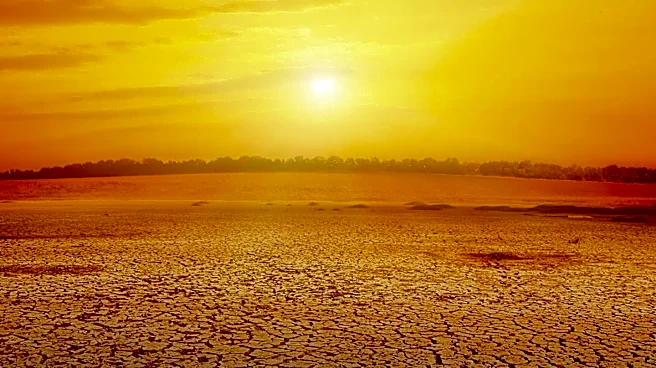
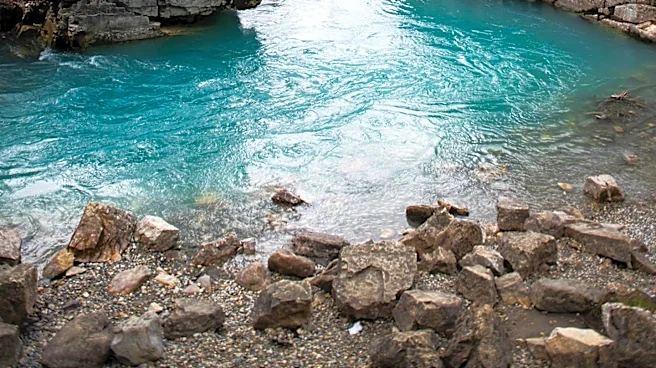
Natural Resources Wales (NRW) has declared a drought across the whole of Wales due to sustained high temperatures and record-low river levels. The country has received only 8% of its long-term average rainfall for July, leading to exceptionally low river flows
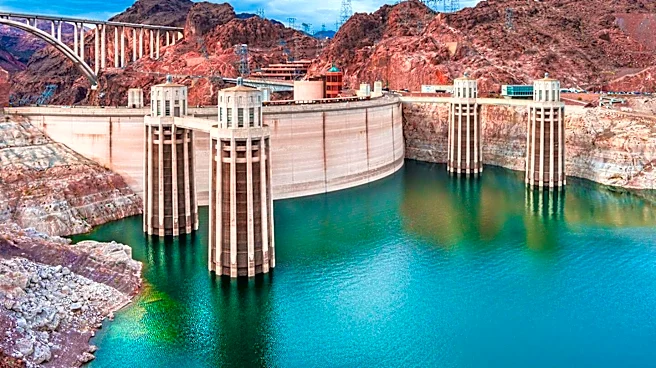
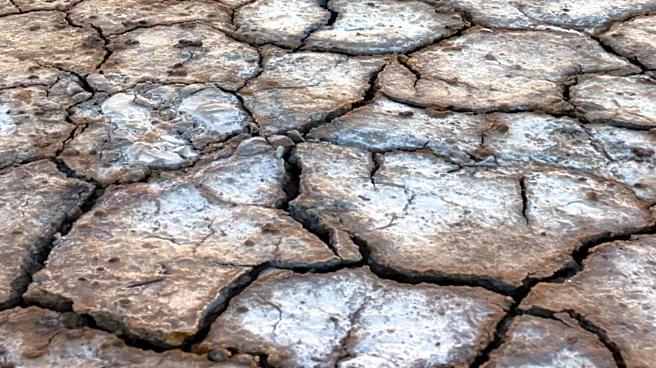
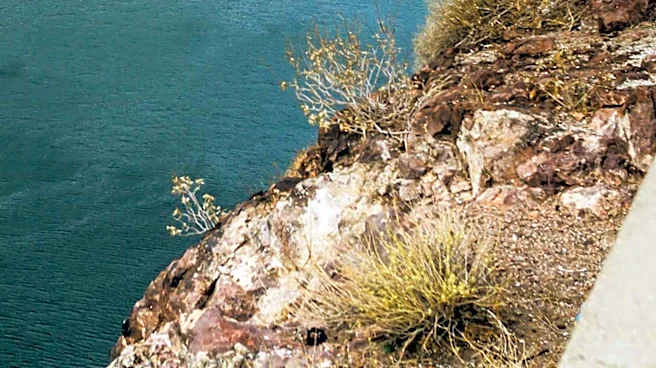
and dry soils. This situation has caused environmental stress, including drying riverbeds, distressed fish, and algal blooms. Farmers are expressing concerns about crop growth and water availability for livestock. The drought declaration follows a previous announcement affecting the north and parts of mid Wales. Despite the drought, Welsh water companies report that reservoir levels are stable due to a wet start to the year.
Why It's Important?
The drought in Wales highlights the increasing vulnerability of natural ecosystems and agriculture to climate extremes. The lack of rainfall and high temperatures are stressing water resources, impacting biodiversity, and threatening agricultural productivity. Farmers face financial challenges as they may need to purchase additional feed and water for livestock, increasing operational costs. The situation underscores the importance of water security as a foundation for food security. The drought also raises awareness of the need for sustainable water management practices to mitigate the impacts of climate change on agriculture and natural habitats.
What's Next?
NRW will increase monitoring of river conditions and provide stronger guidance on water usage to the public. The drought declaration does not currently threaten water supplies for homes and businesses, but continued dry conditions could exacerbate the situation. Farmers and environmental groups may advocate for policy measures to support water conservation and sustainable agricultural practices. The government and stakeholders will likely focus on long-term strategies to enhance resilience against future climate-related challenges.