




What's Happening?
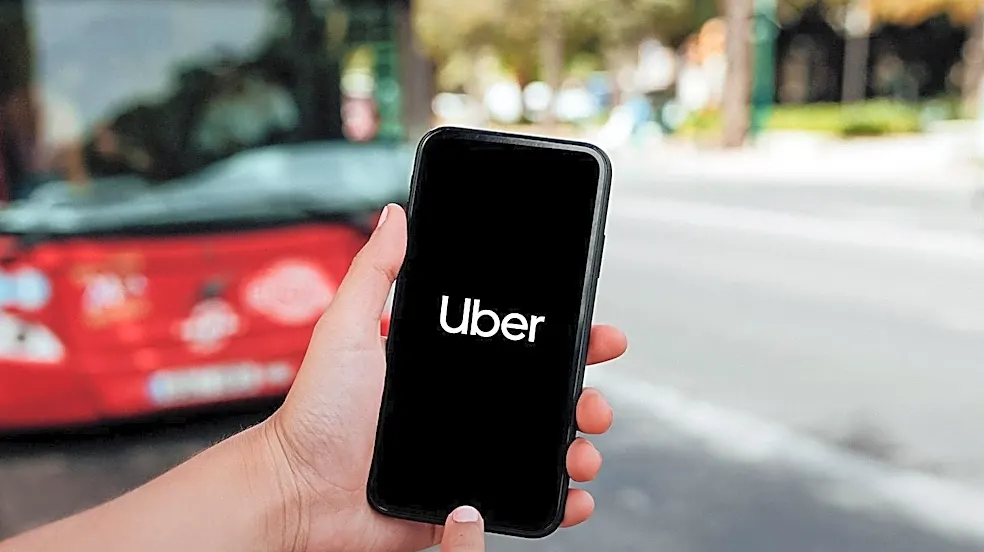
Uber is expanding its accessible transportation services, offering Uber WAV (Wheelchair Accessible Vehicle) and Uber Assist in various locations. Uber WAV is specifically designed for individuals who need to remain seated in their wheelchairs during transit,
providing vehicles equipped with ramps or hydraulic lifts, securement equipment, and trained drivers. Uber Assist caters to riders who require additional support for boarding and exiting a standard vehicle, such as older adults, individuals using walking frames, or those with foldable wheelchairs. While UberX, the standard rideshare service, can accommodate folding mobility aids, it is not intended for passengers who must remain in their wheelchairs. The availability of these specialized services, particularly Uber WAV, varies by location, and users are advised to check the Uber app for options in their specific area. For instance, in Sacramento, California, the availability of Uber WAV depends on participating vehicles and drivers.
Why It's Important?
The expansion of Uber's accessible transportation options is significant for improving mobility and independence for individuals with disabilities and limited mobility. By offering Uber WAV and Uber Assist, Uber addresses a critical gap in on-demand transportation, providing specialized vehicles and trained drivers that can safely accommodate various mobility needs. This initiative can reduce barriers to accessing essential services like medical appointments, employment, and social activities for a demographic that often faces transportation challenges. The distinction between WAV, Assist, and standard UberX services helps users choose the most appropriate and safe option, ensuring that their specific accessibility requirements are met. This move also highlights the growing demand for inclusive transportation solutions and could influence other rideshare companies to enhance their accessibility offerings, fostering a more equitable transportation landscape.
What's Next?
Uber will likely continue to expand the availability of its WAV and Assist services to more cities, contingent on driver and vehicle participation. The company may also refine its training programs for drivers to ensure consistent and high-quality assistance for riders with diverse needs. Users in areas where WAV is not yet available may need to explore alternative specialized transportation providers, such as non-emergency medical transportation (NEMT) services, which offer scheduled wheelchair-accessible vehicles and trained personnel. Uber's ongoing efforts in this area could lead to further technological integrations within its app to improve the booking experience for accessible rides, potentially including more detailed information on vehicle specifications and driver capabilities. Continued feedback from the disability community will be crucial in shaping the future development and deployment of these services.
Beyond the Headlines
The introduction of specialized accessible transportation services by a major rideshare platform like Uber has broader implications for urban planning and social inclusion. It underscores the necessity for infrastructure and services to be designed with universal accessibility in mind, moving beyond mere compliance to proactive integration. This development could also spark discussions about the role of technology in bridging accessibility gaps and the responsibilities of large corporations in serving all segments of the population. Furthermore, it highlights the economic potential of catering to underserved markets, demonstrating that accessibility is not just a social good but also a viable business opportunity. The success and expansion of these services could set a precedent for other industries to adopt more inclusive practices, fostering a society where transportation is a right, not a privilege, for everyone.