





What's Happening?
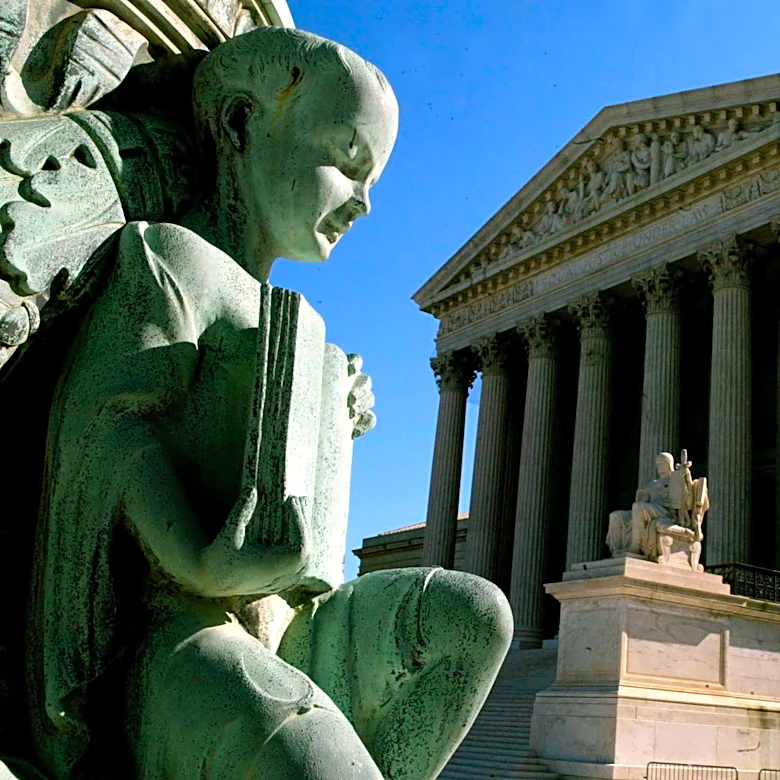
Judicial officials in northeastern Wisconsin are urgently calling on the state Legislature to address severe underfunding within the justice system. Brown County Judge Tammy Jo Hock reported that she pushes her staff to work extended hours to keep cases
moving, describing the situation as 'unreasonable.' The judiciary received less than 2% of the 2025-27 state budget, which Judge Hock argues is insufficient for the state's needs. The Wisconsin Judicial Needs Assessment Survey, issued in April, identified Brown County as having the largest deficit of judges and court commissioners in the state, lacking nearly six officials. This underfunding contributes to court delays, staffing shortages in district attorney offices, low pay for public defense, difficulties in recruiting and retaining lawyers, and inadequate mental health treatment for defendants. Prosecutors face backlogs of thousands of cases, with about half of all criminal cases in 2025 taking over six months to resolve. Outagamie County District Attorney Mindy Tempelis stated that Wisconsin is 'not meeting its obligation' and emphasized that 'people’s lives are on the line.'
Why It's Important?
The underfunding of Wisconsin's justice system has profound implications for the rule of law, public safety, and individual rights. Court delays mean that victims wait longer for justice, and defendants, some of whom may be innocent, remain in legal limbo or jail for extended periods. Staffing shortages across the system—from judges and court commissioners to prosecutors and public defenders—compromise the ability to provide fair and timely legal processes. The struggle to recruit and retain legal professionals, coupled with low pay in public defense, can lead to inadequate legal representation, disproportionately affecting vulnerable populations. Furthermore, the lack of mental health treatment options for those awaiting trial exacerbates issues within the correctional system. This situation undermines public trust in the judiciary and can lead to a breakdown in the effective administration of justice, impacting communities statewide.
What's Next?
With elections for the state Legislature and governor's office approaching in November, judicial officials hope that elected leaders will prioritize addressing the funding crisis. District Attorney Tempelis suggested that the Legislature should invest in data collection to accurately assess prosecutors' workloads and fully fund attorney pay progression. She also advocated for creating a prosecutor council to support attorneys. Brown County Judge Hock is pressing the Brown County Public Safety Committee to endorse a resolution for the County Board to request two additional circuit court judges from the state. However, adding judges would also require the county to provide significant support personnel, costing an estimated $222,814, including sheriff deputies, judicial assistants, and court coordinators. The debate over how state and county governments share these expenses is ongoing, with county officials expressing frustration over bearing costs for state responsibilities.
Beyond the Headlines
The challenges faced by Wisconsin's justice system extend beyond mere budgetary shortfalls; they reflect a systemic strain on public services. The increasing complexity of cases, driven by digital evidence and the use of artificial intelligence in legal filings, demands more time and resources from judges and legal professionals. The decline in interest in law careers further compounds staffing issues, pointing to a potential long-term crisis in legal talent. The reliance on counties to fund gaps in the state's judicial system creates an inequitable burden and highlights a disconnect between state mandates and local resources. This situation raises fundamental questions about the state's commitment to a functional justice system and the potential for politically motivated decisions to undermine essential public services, ultimately impacting the foundational principles of justice and fairness for all citizens.