






What's Happening?
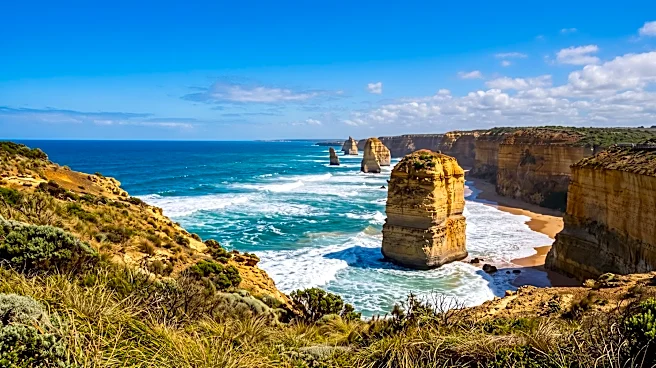
Several prominent global tourist destinations are introducing new measures, including mandatory bookings and entry fees, to manage the increasing problem of overtourism. For instance, the Twelve Apostles in Victoria, Australia, a natural landmark attracting
approximately two million visitors annually, will soon require bookings and implement a fee. This charge will contribute to the preservation of the area and support a new $126 million visitor center. Similarly, other global attractions like the Trevi Fountain in Rome have already established entry fees. The issue of overtourism is also being addressed in academic settings, with courses in Florence discussing the impact of tourism on cultural heritage and the necessity for sustainable management strategies. The goal of these initiatives is to mitigate overcrowding, reduce pressure on infrastructure, and protect natural and cultural sites from degradation caused by excessive visitor numbers. These actions reflect a growing global trend to balance tourism growth with the well-being of local environments and communities.
Why It's Important?
The implementation of booking systems and entry fees at major tourist sites signifies a critical shift in how destinations manage their appeal and sustainability. For the U.S. tourism industry, this trend could serve as a precedent for managing popular national parks, historical landmarks, and urban centers that experience high visitor volumes. If successful, these strategies could inspire similar policies in the U.S. to protect natural resources and cultural heritage, potentially leading to new revenue streams for conservation and infrastructure development. However, it also raises questions about accessibility and equity, as fees could deter certain segments of the population from visiting these sites. The move could also influence American travelers' expectations and planning for international trips, requiring them to adapt to more structured and potentially costlier travel experiences. Ultimately, this global shift highlights the growing recognition that unchecked tourism can have detrimental effects, necessitating proactive management to ensure long-term viability and enjoyment of these destinations.
What's Next?
In the immediate future, more global destinations are likely to follow suit, introducing similar booking and fee structures to manage visitor flow and generate funds for conservation. The Twelve Apostles will begin requiring bookings immediately, with fees to be implemented next year, though the exact cost is yet to be determined. These pilot programs will provide valuable data on their effectiveness in reducing overcrowding and funding preservation efforts. Stakeholders, including local governments, tourism boards, and environmental groups, will closely monitor the impact of these measures on visitor experience, local economies, and environmental protection. There may be public discourse and potential resistance from some tourists regarding the new costs and restrictions. For the U.S., this could lead to increased discussions among policymakers and park management about adopting similar strategies for highly visited national parks and monuments, especially those facing ecological strain or infrastructure challenges due to high visitor numbers. The success or failure of these international initiatives will likely inform future policy decisions regarding tourism management in the U.S.
Beyond the Headlines
Beyond the immediate financial and logistical implications, the global trend of managing overtourism through bookings and fees touches upon deeper ethical and philosophical questions about access to shared heritage and natural wonders. It prompts a re-evaluation of the concept of 'travel for all' versus the imperative of preservation. This shift could lead to a more conscious and responsible form of tourism, where visitors are encouraged to appreciate the value of these sites and contribute to their upkeep. It also highlights the tension between economic benefits derived from tourism and the environmental and social costs borne by local communities. The long-term implications could include a redefinition of 'luxury travel' to encompass exclusive, managed access to pristine or culturally significant locations, potentially creating a two-tiered system of tourism. This could also foster innovation in sustainable tourism practices and technology, as destinations seek creative solutions to accommodate visitors while minimizing their footprint. The debate over who bears the cost of preservation and who benefits from tourism will continue to evolve as these policies become more widespread.