What's Happening?
Hyundai has issued a recall for more than 600,000 vehicles due to air bag and electrical system issues. The National Highway Traffic Safety Administration (NHTSA) announced that over 560,000 Hyundai Palisade
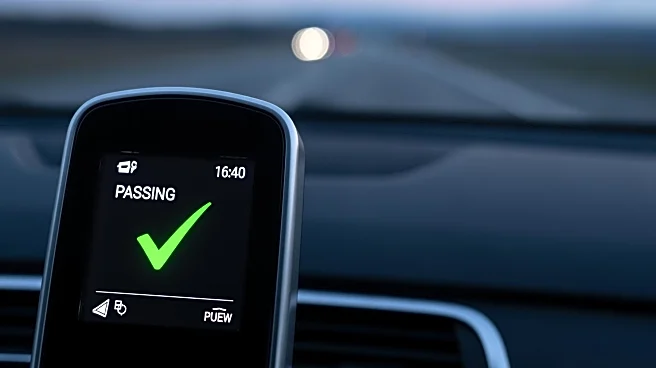
vehicles and more than 41,000 other models, including Tucson, Santa Cruz, and Santa Fe, are affected. The first recall, announced on January 23, 2026, involves air bags in some Palisade vehicles that may deploy improperly for third-row occupants during a crash. A second recall, issued on January 27, 2026, addresses a software issue affecting the instrument panel display, which could increase the risk of a crash. Hyundai is developing a fix for the Palisade air bag issue and plans to notify owners by mail on March 23, 2026. For the instrument panel issue, an over-the-air update will be available at no charge, with notification letters to be sent on March 27, 2026.
Why It's Important?
This recall highlights ongoing safety concerns within the automotive industry, particularly regarding advanced vehicle technologies. The issues with air bags and instrument panels underscore the importance of rigorous testing and quality control in vehicle manufacturing. For Hyundai, addressing these recalls is crucial to maintaining consumer trust and avoiding potential legal liabilities. The recall also emphasizes the role of regulatory bodies like the NHTSA in ensuring vehicle safety standards are met. For consumers, the recall serves as a reminder to stay informed about vehicle safety and to promptly address any recall notices to ensure their safety on the road.
What's Next?
Hyundai will continue to work on resolving the identified issues and will provide updates to affected vehicle owners. The company is expected to implement the necessary fixes and ensure compliance with safety standards. Vehicle owners are advised to check the NHTSA database or contact Hyundai customer service to confirm if their vehicle is affected. The automotive industry may see increased scrutiny on safety features, prompting manufacturers to enhance their quality assurance processes. Additionally, regulatory bodies may push for stricter safety regulations to prevent similar issues in the future.