








What's Happening?
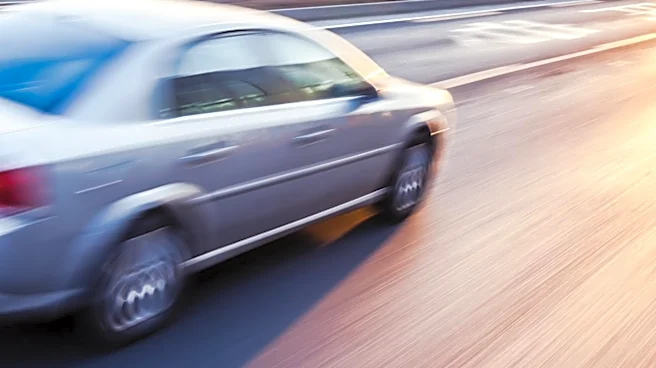
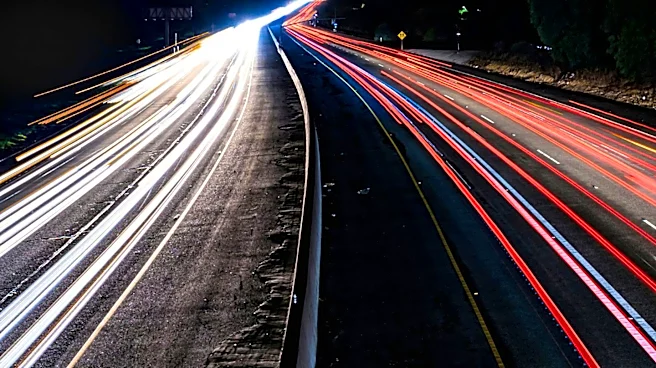
A recent study by the University of Minnesota has analyzed 120 million vehicle trips across the United States, revealing that speeding is prevalent and costly. The research, published in the journal Communications Sustainability, found that over 43% of trips included
speeding, with drivers spending nearly 12% of their time above speed limits. The study highlights that adhering to speed limits could save U.S. drivers an average of $22 million daily, reduce fuel consumption by 6.7 million gallons, and cut CO2 emissions by 57,000 metric tons. Despite common beliefs, speeding only saves about 54 seconds per day on average. The study also noted regional differences in speeding behavior, with states like Nevada showing high speeding prevalence.
Why It's Important?
The findings underscore the economic and environmental benefits of driving within speed limits. With gas prices remaining high due to geopolitical tensions, such as the war in Iran, reducing fuel consumption can alleviate financial burdens on drivers and potentially influence oil market demand. The study suggests that slowing down could lead to significant savings and environmental benefits, comparable to removing millions of vehicles from the road. This research is particularly relevant as the U.S. continues to grapple with fuel efficiency and emissions reduction goals.
What's Next?
The study's implications may prompt policymakers and transportation authorities to consider stricter enforcement of speed limits and public awareness campaigns to encourage safer driving habits. Additionally, the potential impact on oil demand could influence future fuel pricing and energy policies. As electric vehicle adoption increases, further research may explore the benefits of speed limit adherence for EV efficiency.