


What's Happening?
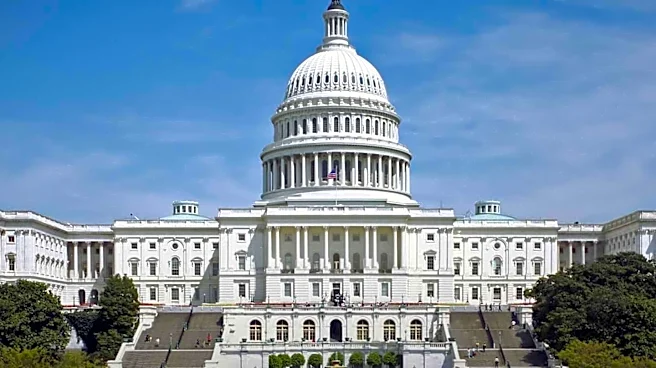
Congressman Dan Newhouse, a Republican from Washington State, has voiced significant concerns regarding the potential negative effects of permanent daylight saving time, particularly on rural communities and agricultural operations. Newhouse argues that
the twice-yearly clock changes are already disruptive, but making daylight saving time permanent would be even more detrimental. He highlights that farmers and ranchers, along with their livestock, operate according to natural light cycles, not artificial clock times. The House of Representatives previously passed the Sunshine Protection Act, which aims to establish permanent daylight saving time. However, Newhouse believes this would force agricultural workers to begin their daily tasks in the dark, compromising their circadian rhythms and increasing safety risks. He points out that historical attempts at permanent daylight saving time, such as in 1973, led to adverse consequences, including increased traffic accidents involving children due to darker mornings. Newhouse emphasizes that while many may desire more afternoon daylight, the cost to morning light, crucial for farmers, children, and overall health, is too high.
Why It's Important?
The debate over permanent daylight saving time carries significant implications for various sectors across the U.S., especially agriculture and public health. For rural communities, particularly farmers and ranchers, the proposed change could disrupt long-established routines tied to natural light, potentially leading to decreased productivity and increased safety hazards. The agricultural industry, a cornerstone of the U.S. economy, relies heavily on the sun's schedule for planting, harvesting, and livestock management. Shifting morning hours into darkness could necessitate costly adjustments in operations and equipment. Beyond agriculture, public health experts, including Dr. Karin Johnson of UMass Chan Medical School Baystate, warn that permanent daylight saving time could negatively impact human circadian rhythms, leading to poorer sleep, increased sleep deprivation, and a higher prevalence of conditions like obesity and stroke. The historical precedent of 1973, which saw a rise in child traffic fatalities, underscores the potential public safety risks, particularly for children commuting to school in the dark. This issue highlights a conflict between the desire for extended evening daylight and the practical and health-related needs of specific communities and the broader population.
What's Next?
The future of daylight saving time in the U.S. remains uncertain, despite the House of Representatives having passed the Sunshine Protection Act. For the bill to become law, it would need to pass the Senate and be signed by the President. Given the concerns raised by figures like Congressman Newhouse and various health experts, further debate and scrutiny are anticipated. Stakeholders, including agricultural associations, parent groups, and public health organizations, are likely to continue advocating for their respective positions. Lawmakers will need to weigh the perceived benefits of permanent daylight saving time, such as extended evening leisure time and potential energy savings, against the documented risks to public safety, health, and the operational challenges for industries like agriculture. The historical experience of 1973, which saw a rapid reversal of permanent daylight saving time due to public outcry and safety concerns, may serve as a cautionary tale for current legislative efforts. Any future legislative action will likely involve extensive public discourse and consideration of regional impacts.
Beyond the Headlines
The discussion around permanent daylight saving time extends beyond mere convenience, touching upon fundamental aspects of human biology, societal rhythms, and economic structures. The concept of 'social jet lag,' where the body's internal clock is misaligned with social schedules, is a key concern. This misalignment, exacerbated by permanent daylight saving time, can have long-term health consequences, impacting mental well-being, metabolic health, and overall quality of life. Furthermore, the debate highlights a broader tension between standardized national policies and the diverse needs of different geographical regions and industries. What might be perceived as beneficial in urban areas with later work schedules could be profoundly disruptive in rural areas where life is dictated by natural light. The issue also brings to light the often-overlooked reliance of modern society on natural cycles, despite technological advancements. The push for permanent daylight saving time, while seemingly a minor adjustment, could trigger a re-evaluation of how societal schedules are aligned with natural environmental cues and the potential for unintended consequences on public health and economic sectors.